
The Story
Why it exists.
The beginning
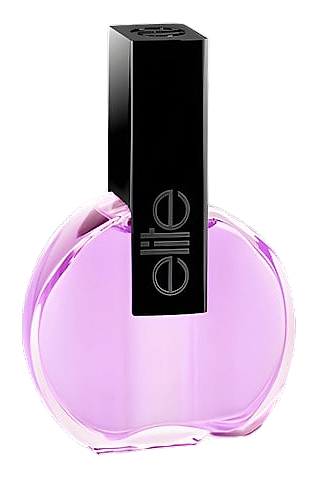
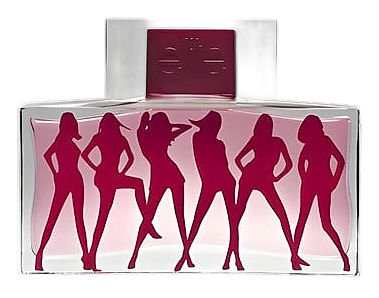
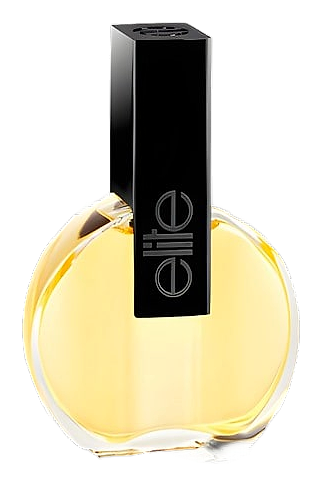
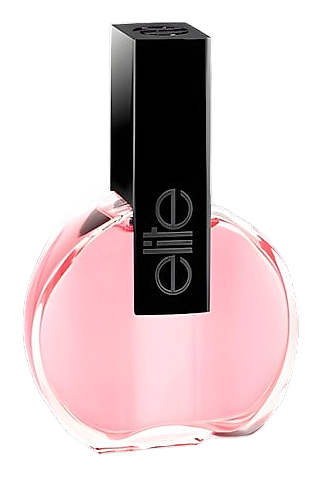
New York Muse arrived in 2012 as part of a four-fragrance city collection from Parfums Elite, London Queen, Paris Baby, Rio Glam Girl, and this one. Coty had just taken the brand that year, and the timing felt right: a collection built around fashion capitals, each one a personality rather than a place. Emilie Bevierre-Coppermann designed New York Muse around a specific kind of woman, someone drawn to understated elegance and the power of presence rather than volume. The composition reflects a deliberate choice to work with restraint, building a fragrance that speaks softly while holding its own in any setting.
What makes this structure interesting is how it refuses the obvious. The composition threads a quiet tension: the blood orange opens electric and bright, but the gardenia leaf pulls it back toward something cooler, greener. The heart, orchid, peony, violet, is classic feminine territory, but here it reads more as restraint than declaration. It's the patchouli in the base that earns everything that came before it, giving the florals somewhere to land that isn't just sweetness.
The evolution
The opening hits within seconds: blood orange, bright and almost bitter, like citrus peel rather than juice. The gardenia leaf shows up green, slightly medicinal, the smell of stems crushed between fingers. Thirty minutes in, the florals take over. Peony leads, soft and blousy, followed by violet's powdery cool and orchid's strange waxy depth. They don't compete. They layer. By hour two, the base announces itself: patchouli's earthy darkness cutting through the sweetness, musk holding everything close to the skin. The vanilla appears late, just before the drydown, warmth that doesn't announce itself. The next morning, faint patchouli on the wrist. That's it. That's the whole story. What the fragrance lacks in dramatic projection it makes up for in intimacy and the way it lingers near the pulse points, revealing itself to anyone who draws close.
Cultural impact
New York Muse sits in an interesting middle space: accessible enough for regular wear, well-made enough to stand apart from drugstore fare. The community reception skews positive on value, with reviewers noting its quality relative to its price bracket. The EDT concentration keeps it intimate, which works for daily use but means it stays close to the skin rather than announcing itself across a room. For those who appreciate patchouli and musk in a softer presentation, this fragrance offers a thoughtful alternative to louder options.
The House
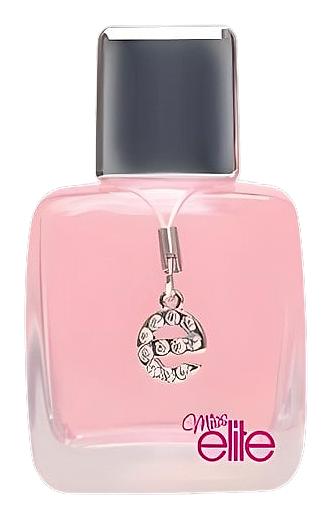
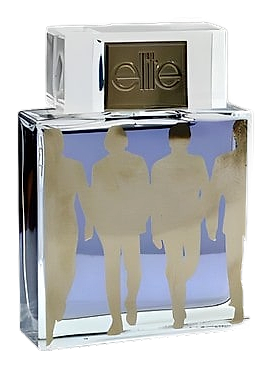
Parfums EliteParfums Elite is a fragrance house best known for its city-inspired scent collection spanning London, New York, Paris, and Rio, alongside the Elite Model series launched in the mid-2000s. The brand carved a distinctive niche by pairing fashion industry aesthetics with geographically-themed perfumery, creating scents that evoked the glamour and distinct character of world capitals. Miss Elite (2008) and its follow-up Miss Elite Model In Love (2009) anchored a womenswear line, while the corresponding Elite Model Attitude releases for both genders (2006) established a modeling industry connection. Limited editions including Elite Gold (2007) and Elite Silver for Him (2007) added collector appeal. The fragrance lineup reflects a clear understanding of aspirational lifestyle branding, targeting consumers drawn to fashion-adjacent scent stories. The brands product releases between 2006 and 2012 suggest a concentrated period of output focused on building a recognizable collection rather than mass market expansion.
The Creator
Emilie Bevierre-CoppermannÉmilie favors crisp, structured compositions that balance bright top notes with a warm, lingering base. She often begins with a clear, aromatic opening—citrus, green tea or a sparkling berry—then anchors the piece with woods, amber or subtle musk.