Wild peach
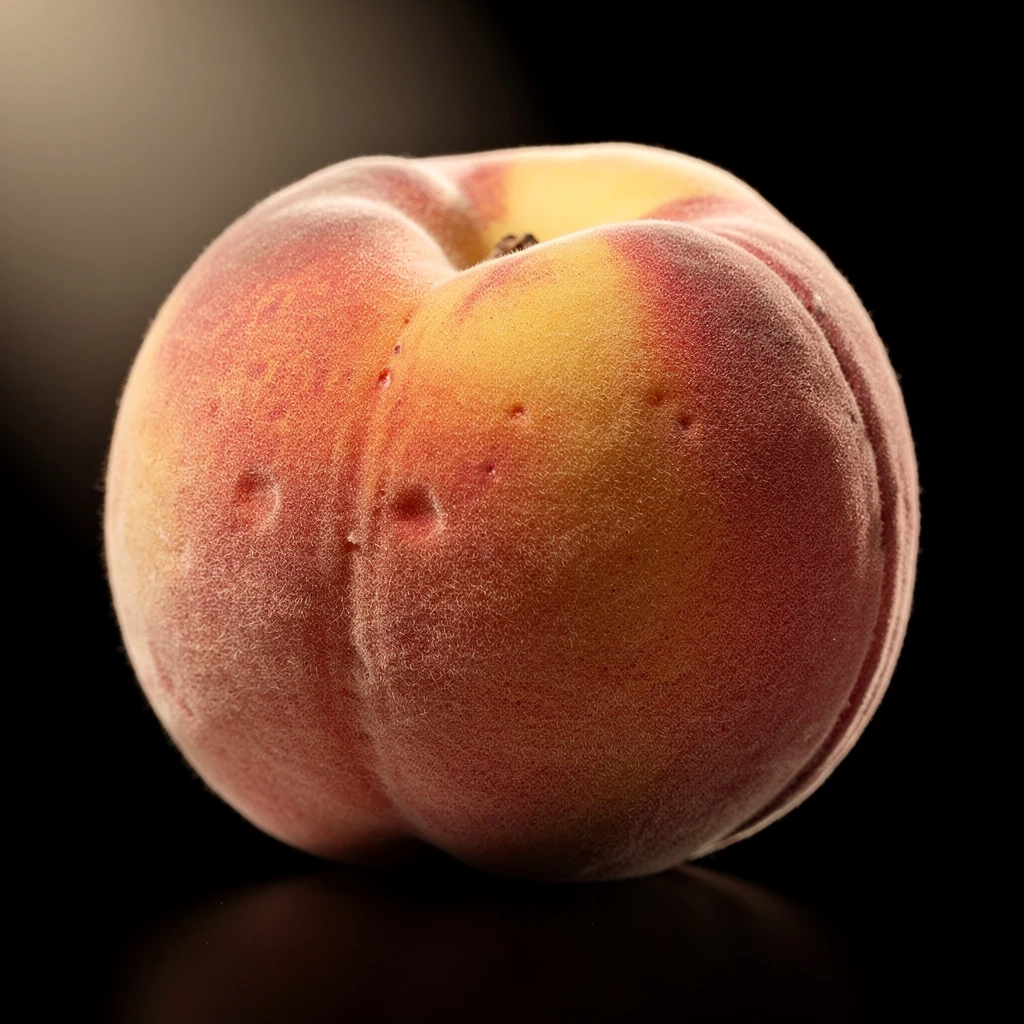
Wild peach captures summer's most elusive moment—when skin warmth coaxes ripe fruit into releasing its honeyed juice. Unlike cultivated varieties bred for shipping, wild peaches carry an intensity that modern perfumery struggles to replicate without chemistry.
Character
How it smells
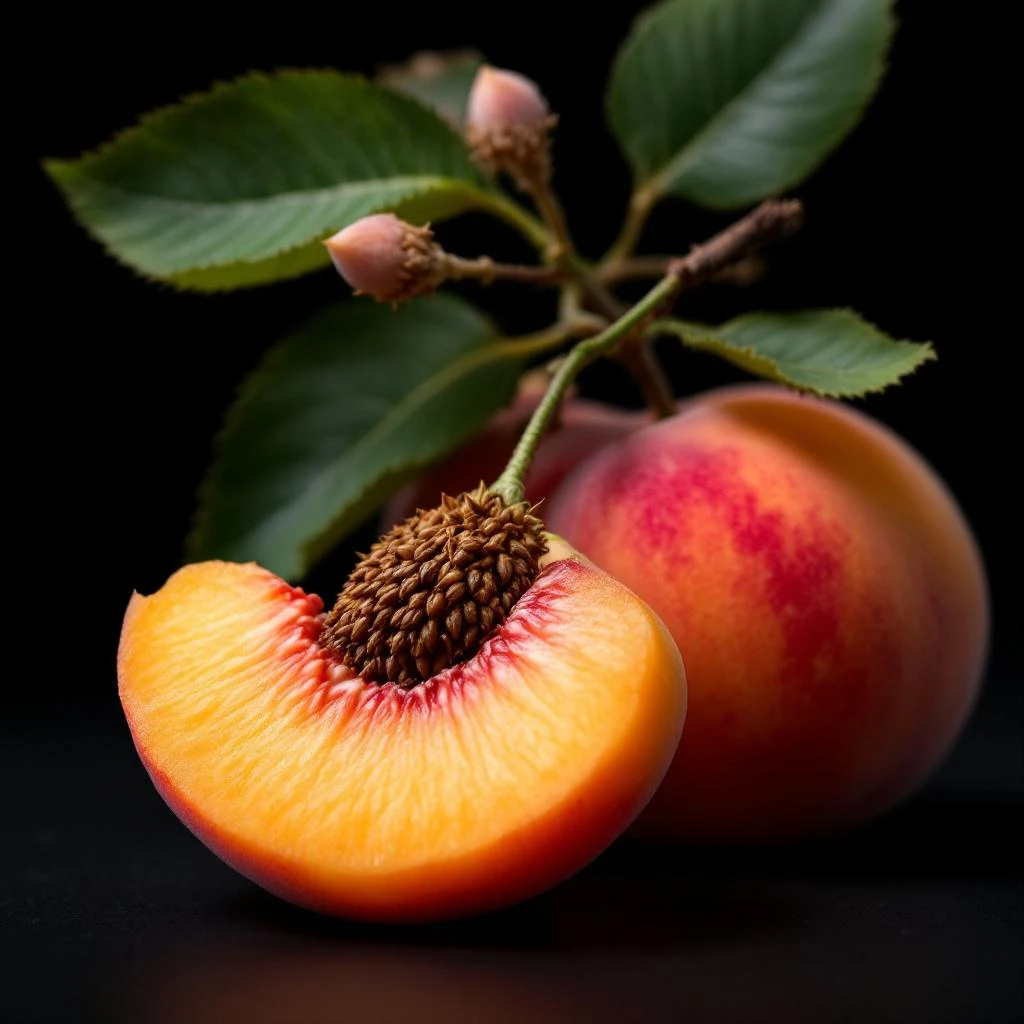
Stone fruit intensity, untamed.
A single peach contains over 2,000 chemical compounds that shift as the fruit ripens, which is why no two perfumes smell identical.









Origin
China
Peach originated in China's Zhejiang province, where it earned reverence as a symbol of immortality and protection against evil spirits. Chinese texts mention peach cultivation as early as 1000 BCE, and the fruit traveled westward along trade routes to Persia and eventually Europe.
Arab perfumers of the medieval period ground peach kernel flesh into ointments and scented waters, recognizing the oil's subtle bitter-almond character. The fruit's entry into Western perfumery came in 1919 when Jacques Guerlain composed Pêche de Landes, one of the first fragrances to deliberately marry natural and synthetic materials to create a recognizable fruity note.
Before this innovation, perfumers achieved fruit-like effects through more complex botanical abstractions. The wild peach's cultural significance across East Asian traditions—from the peach wood used in folk rituals to the桃子香 traditional note in Chinese incense—underscores how deeply this fruit embedded itself in olfactory culture before it ever reached a perfume bottle.
Wears it best
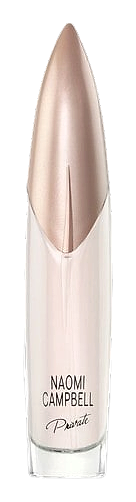
Fragrances featuring Wild peach
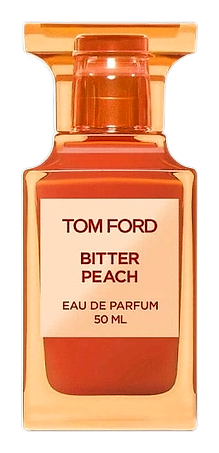
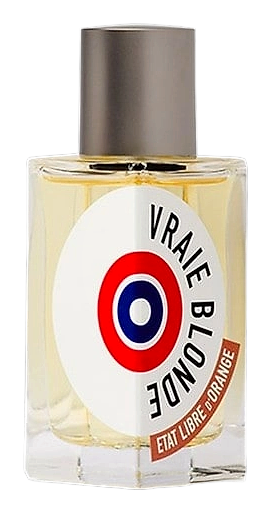

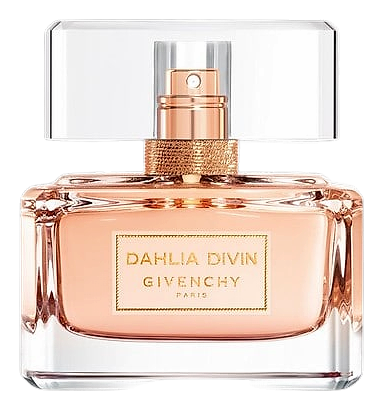

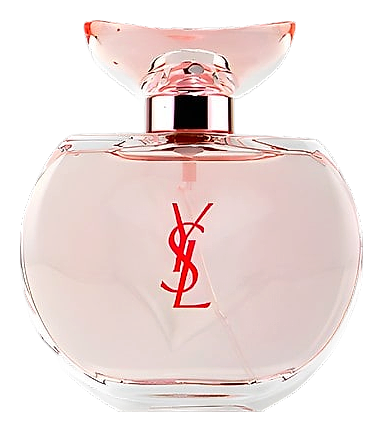
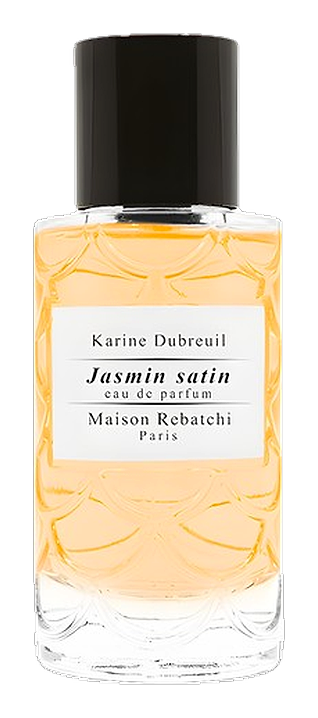
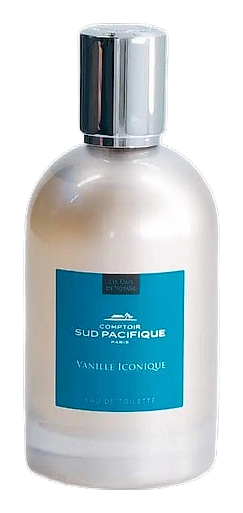
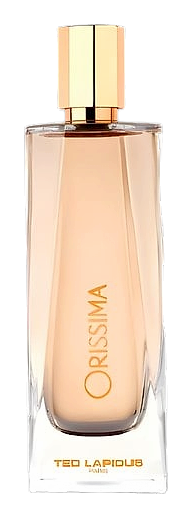

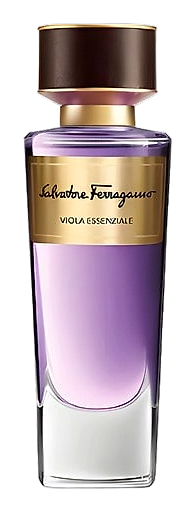
Brands
Brands known for Wild peach
Good to know
Questions, answered
The essentials on Wild peach in perfumery: how it smells, where it comes from, and how it behaves on skin.
Does wild peach absolute exist as a natural ingredient?
True wild peach absolute is rare. Most peach notes combine natural peach kernel oil with synthetic gamma-undecalactone to reproduce the full sensory profile. The natural absolute captures green and slightly bitter qualities, while synthetics deliver the sweet, creamy character your nose recognizes as peach.
What gives wild peach its characteristic smell?
Gamma-undecalactone drives the recognizable peach smell, responsible for the creamy, slightly oily character found in apricots and peaches. Natural peach adds gamma-decalactone and various aldehydes that create the green, floral nuance beneath the fruit's sweetness.
How does wild peach differ from cultivated peach in perfume?
Wild peaches have higher aromatic compound density than commercial varieties bred for shelf stability. Their flesh contains more gamma-undecalactone and fewer watery notes, giving perfumers a more concentrated, almost jam-like quality to work with.
What fragrance families pair well with wild peach?
Wild peach bridges floral and fruity categories, making it versatile. It pairs naturally with white florals like jasmine and tuberose, complements green notes such as galbanum, and adds warmth to woody bases without the heaviness of vanillic ingredients.
When did peach first appear in Western perfumery?
Guerlain introduced the first modern peach fragrance in 1919 with Pêche de Landes, breaking from traditional botanical compositions. This fragrance pioneered the use of synthetic materials to achieve a recognizable fruit note, influencing every peach fragrance that followed.
Why do peach perfumes smell different across brands?
Peach aroma varies significantly by cultivar, and perfumers choose different base materials. Some blend gamma-undecalactone with natural peach absolute, while others build peach character through related molecules like delta-decalactone or apricot-like aldehydes, creating distinguishable signatures.
Does wild peach have cultural significance in perfumery origins?
Early Arab perfumers incorporated peach kernel flesh into ointments and scented waters centuries before Western perfumery developed. Chinese traditions used peach wood and blossoms in incense practices, making peach one of the oldest continuously referenced fruits in global olfactory history.
How long does the wild peach note last in a fragrance?
Peach molecules evaporate quickly, classifying the note as a top to heart ingredient with moderate longevity. The scent typically remains noticeable for two to four hours, shorter than woody or musky bases. Base pairings with cashmeran or ambroxan extend its presence.