
The Story
Why it exists.
The beginning
Darin, which arrives in 2026 as part of Hunayn's The Finite collection, was composed by Adill Ali. The fragrance opens green rather than sweet: jasmine and tuberose arrive over cold camphor and the resin of pine and Himalayan cedar, high-country air rather than low-country heat. Then it warms, and the warmth is the point. Beeswax and honey thicken toward the body while ambergris sits beneath in a salt that turns almost sweet, and costus root comes up underneath the whole thing, fatty and close to the smell of fur. The musk is Himalayan and Nepali, adding a cool, intimate accent as the composition settles closer to the skin. Jasmine and tuberose keep their green character against the dry camphor and woody resins.
What makes Darin worth studying is the way its materials shift in relation to one another. The opening is green and herbal: hay, costus, camphor, pine and cedar smell of cut fields and resinous timber rather than conventional perfume. Beneath it lies a warmer, more tactile register of beeswax, honey, birch tar, oud and two different ambergris, joined by Himalayan and Nepali musk. Costus root is the hinge between these moods. It reads fatty, almost fur-like, and it dries that sweetness out into something closer to a late meadow.
The evolution
The opening is the coldest, greenest part of Darin. White camphor, pine resin and Himalayan cedar arrive first, dry and high, like air over a slope, with hay and costus root cutting through as an herbal, slightly earthy counterweight. Camphor adds a brief minty chill as the composition opens. Then the temperature turns. Jasmine and tuberose land green rather than sweet, Taifi rose tucked behind them, and beeswax begins building a waxy, honeyed body that starts to smell less like a meadow and more like skin. Birch tar adds depth, ambergris lays down a salt that reads almost sweet, and musk starts working close to the skin. As Darin develops, the green materials gradually sit beneath the warmer notes rather than disappearing. The dry camphor and resinous cedar give way to a denser heart of beeswax and honey, while costus root keeps the composition earthy and close.
Cultural impact
Darin sits inside Hunayn's The Finite collection and arrives in 2026 as a composition by Adill Ali. Its distinctive character comes from the materials themselves: jasmine and tuberose open with a green floral quality, camphor and pine bring a dry, sharp edge, and Himalayan cedar adds resinous depth. Hay and costus root temper the brightness with an earthy, almost fur-like quality. As the fragrance develops, beeswax and honey create a warmer body, ambergris introduces a salty accent that turns faintly sweet, and musk settles the composition close to the skin.
The House
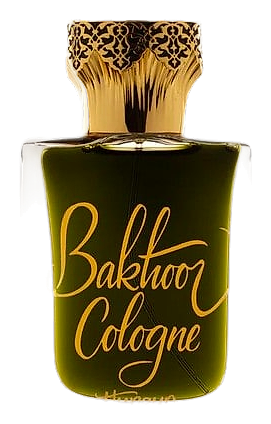
HunaynHunayn is a London‑based fragrance house launched in early 2024. The brand draws on Islamic heritage, naming itself after the historic Battle of Hunayn, and positions its scents as contemporary reinterpretations of ancient olfactory traditions. Within its first two years the house released a series of niche perfumes—including Elysian Santal II, Al Multazam and Bakhoor Cologne—that have been noted for their balanced use of regional ingredients and modern compositional techniques.
The Creator
Adill AliAdill favors a minimalist architecture, often building around a single dominant note before layering subtle accents. He reaches for Indian attars, warm spices, and dry woods, then introduces unexpected touches of citrus or marine accords to keep the composition lively.