The Story
Why it exists.
The beginning
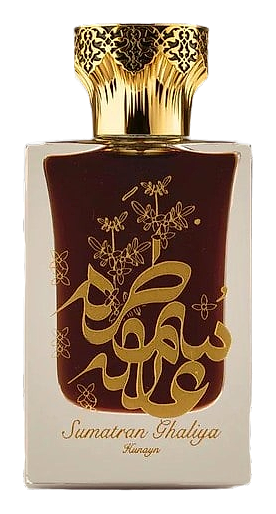
Sumatran Ghaliya answers a question Adill Ali asked of himself: what would the ancient ghaliya tradition become if it were born today? Ghaliya was once composed of the most coveted treasures of the ancient world: Mysore sandalwood, Kashmiri musk, Indian oud, ambergris, saffron, and rose. This 2025 release honors that lineage without imitating it. The sourcing is deliberately global: Sumatran oud, New Zealand ambergris, Ethiopian civet, Tasmanian boronia, Japanese kabosu, sudachi, and shiikuwasa zests, Indian jasminum auriculatum. The result reads less like a recreation and more like a contemporary pilgrimage, every raw material carrying its own geography into the same bottle.
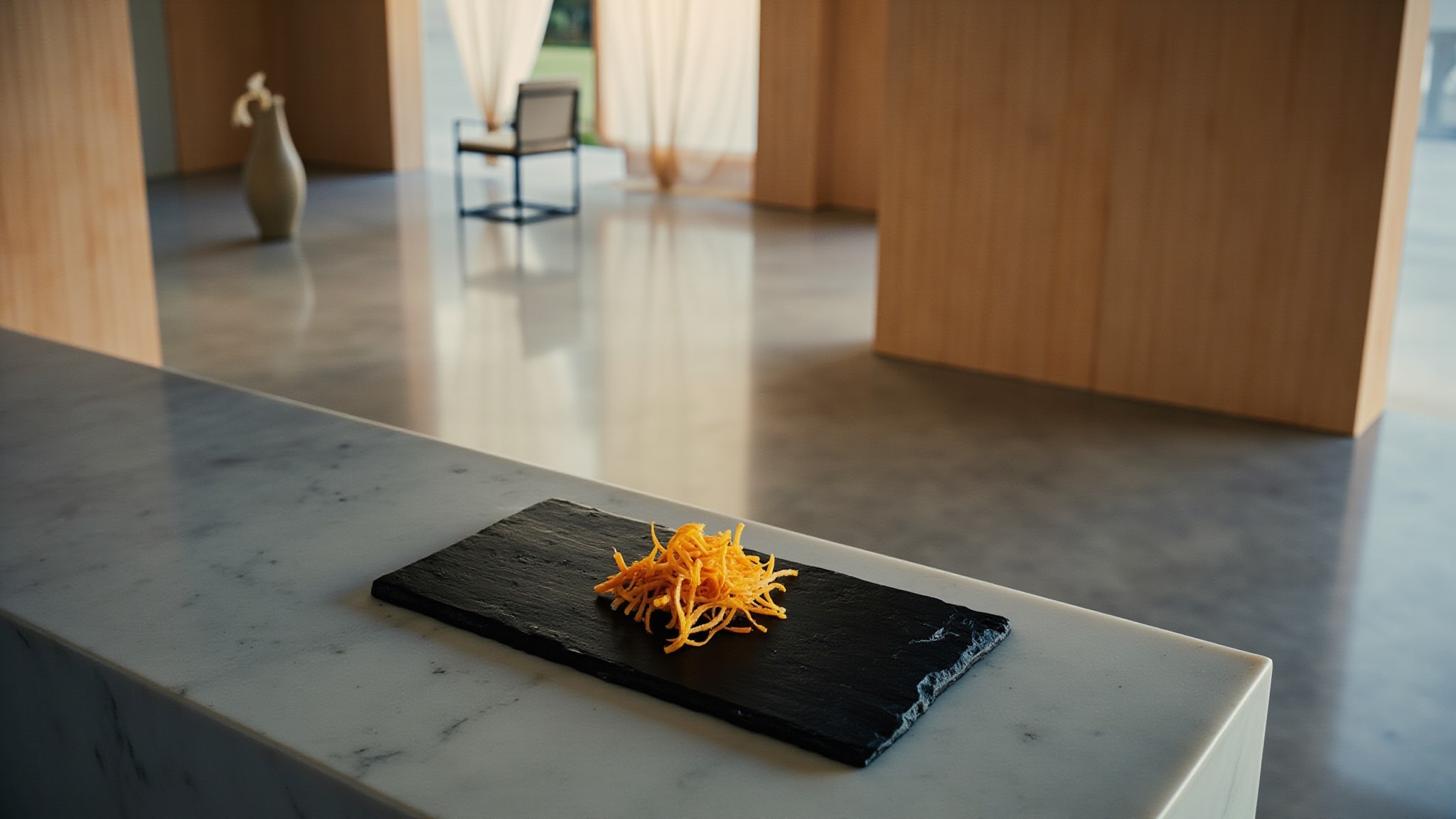
The unusual detail here is the geographic spread. Hinoki and hiba from Japan sit beside balsam fir. Hyacinth and frangipani from entirely different hemispheres share space with boronia absolute. Then the animalics land: civet and ambergris at the foundation, two of the most storied materials in the ghaliya tradition, here sourced from Ethiopia and New Zealand respectively. What the citrus provides is lift, a sharp, almost tart brightness that prevents the denser materials from settling into something too heavy.
The evolution
The first spray is citrus-forward, almost disorienting. Yuzu, kabosu, sudachi, and shiikuwasha all at once, layered rather than sequenced, so the opening reads as a single bright chord rather than a progression. That brightness clings through the early minutes before the florals gather underneath. Tuberose and Indian jasmine push through, warm and slightly buttery, while hyacinth adds a cold metallic shimmer that keeps the composition from going too soft. As the wearing continues, the resins arrive. Hinoki, hiba, and balsam fir build a woody architecture that wasn't visible from the opening, each one bringing a slightly different shade of green and resin. Then the base asserts itself: Sumatran oud deepens the structure, sandalwood rounds it, and civet plus ambergris add that unmistakable animal warmth. The drydown is where it earns its longevity.
Cultural impact
Sumatran Ghaliya pulls from Japan, Sumatra, Ethiopia, New Zealand, and Tasmania, a geographic range that sets it apart within a category often associated with more regionally defined sourcing. At least one reviewer (Gambino78) has compared the composition favorably to houses like Ensar Oud and Areej Le Doré, placing it within a conversation about how classical ghaliya compositions can be reimagined with globally sourced materials. The specific ingredient lineup, Sumatran oud, New Zealand ambergris, Ethiopian civet, Tasmanian boronia, Japanese citrus zests, Indian jasminum auriculatum, signals an ambition that goes beyond regional nostalgia.