Tasmanian Boronia
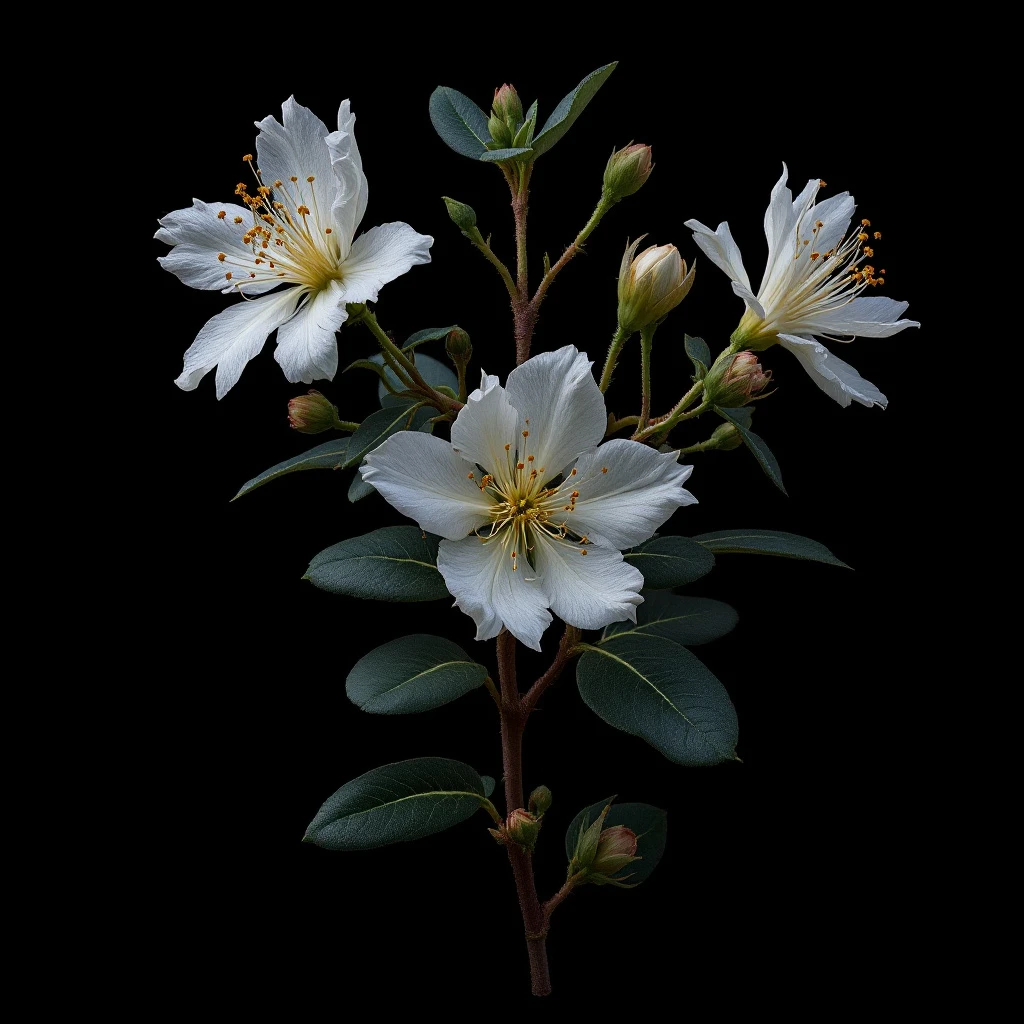
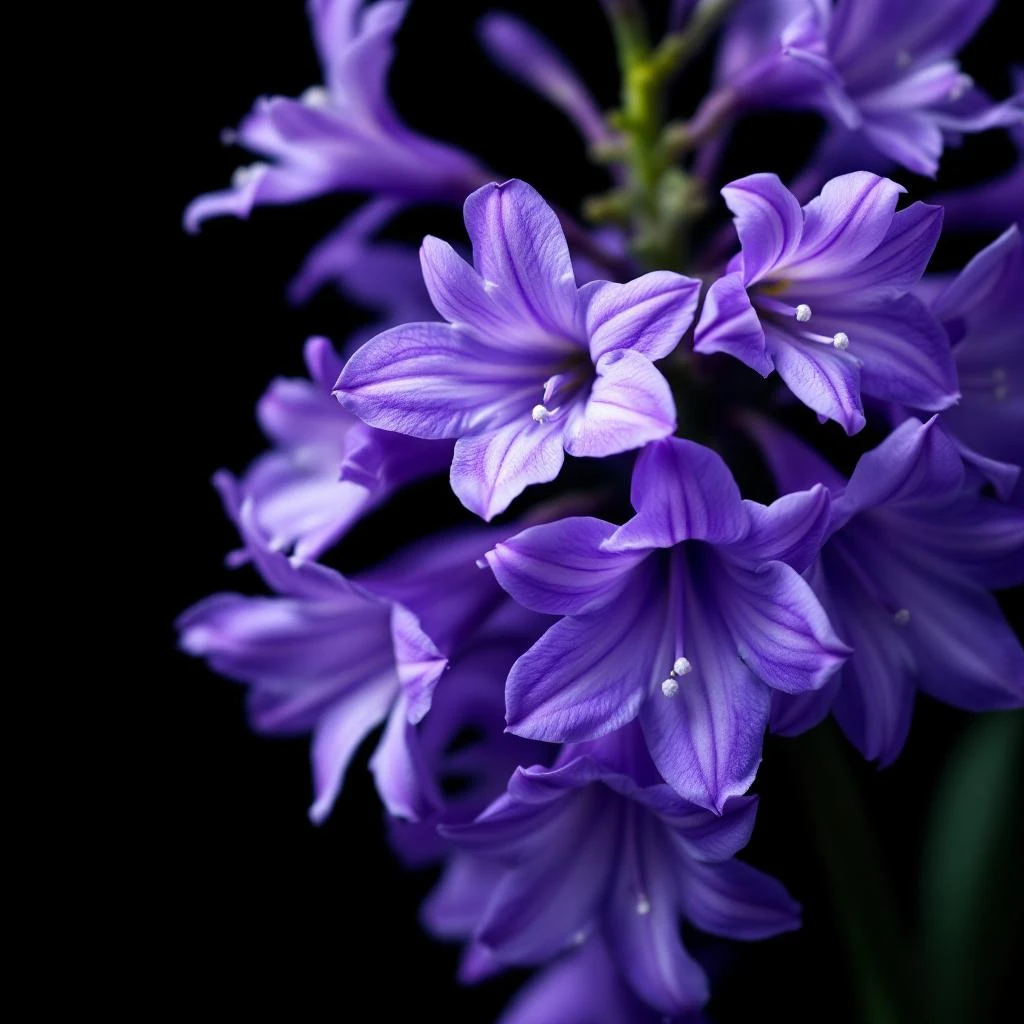
Tasmanian Boronia Absolute captures the intoxicating floral scent of Boronia megastigma, a native Australian shrub whose two-toned purple and yellow flowers yield one of the world's most coveted and costly fragrance ingredients.
Character
How it smells
Wildflower opulence from the southern edge.
One kilogram of absolute requires roughly one billion individual boronia flowers, making it one of the most material-intensive naturals in perfumery.



Origin
Australia
Boronia megastigma holds deep roots in Australian perfumery, with Indigenous communities long valuing the plant for its powerful fragrance. European interest in Australian native botanicals grew during the colonial period, but boronia's commercial fragrance career began in earnest during the late 19th century.
François Coty helped establish the material as a cornerstone of modern perfumery through his innovative solvent extraction techniques. While native to southwestern Australia, the plant found a secondary home in Tasmania, where cultivation expanded significantly during the 1970s.
Today, Tasmanian boronia represents a distinct regional expression of the species, prized by perfumers for its remarkable complexity and rarity. Despite its legendary status, boronia appears relatively rarely in contemporary fragrances due to scarcity and cost, making it a mark of artisanal and luxury perfumery.
Wears it best
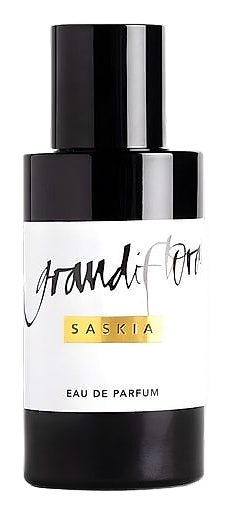
Fragrances featuring Tasmanian Boronia
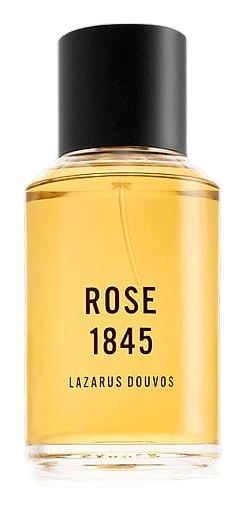
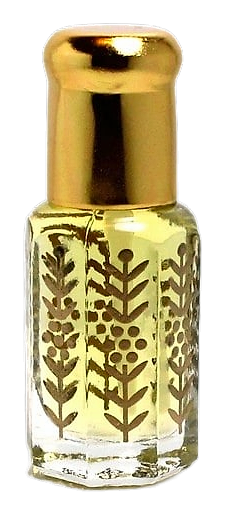
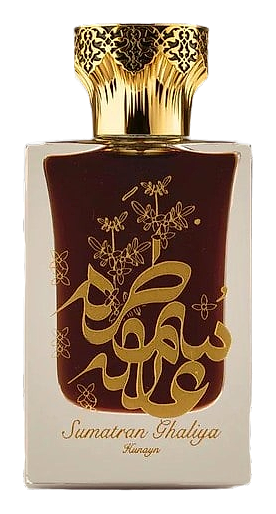
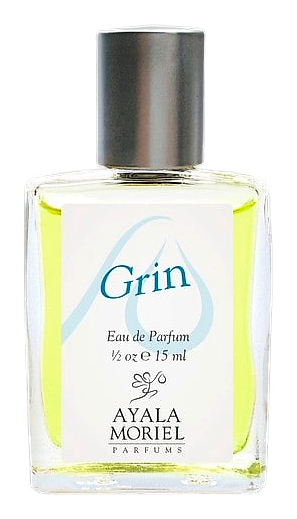
Brands
Brands known for Tasmanian Boronia
Good to know
Questions, answered
The essentials on Tasmanian Boronia in perfumery: how it smells, where it comes from, and how it behaves on skin.
Why is Tasmanian boronia so expensive?
Boronia absolute commands extreme prices because the flowers must be solvent-extracted rather than steam-distilled, and the yield is exceptionally low. One kilogram of absolute requires approximately one billion individual flowers, making it one of the most material-intensive naturals in existence.
What does Tasmanian boronia smell like?
The absolute delivers intensely floral, slightly fruity notes with honeyed undertones and a distinctive green depth. The Tasmanian-grown variety is particularly noted for its complex, multi-layered character that combines sweetness with earthy complexity.
Why can boronia flowers not be steam distilled?
The flowers are extremely delicate and heat-sensitive. When subjected to steam, the aromatic compounds degrade before extraction can occur. Solvent extraction with petroleum ether preserves the full aromatic profile that defines quality boronia absolute.
Where does Tasmanian boronia grow?
Though native to southwestern Australia, Boronia megastigma thrives in Tasmania's cool climate and well-drained, slightly acidic soils. The island's maritime environment produces flowers with particularly rich aromatic concentration.
Who first used boronia in perfumery?
François Coty popularized boronia absolute in the late 1800s, employing his own solvent extraction methods to capture the material's elusive floral character. This established the ingredient as a prized component in fine fragrance.
Can synthetic chemistry replicate boronia's scent?
No synthetic replication exists for natural boronia absolute. The material contains over 100 identified aromatic compounds, including ionones and dihydroionones, creating a complexity that synthetic aroma chemicals cannot fully recreate.
How long is the boronia harvest season?
The harvest window spans only a few weeks in spring. Flowers must be processed within 24 hours of picking to prevent degradation, requiring careful coordination between harvesters and extraction facilities.
What makes Tasmanian boronia distinct from other origins?
Tasmania's cooler temperatures and mineral-rich soils produce a distinct chemotype with enhanced fruity and honeyed facets. This regional expression is widely considered among the finest available, driving strong demand among independent perfumers.



