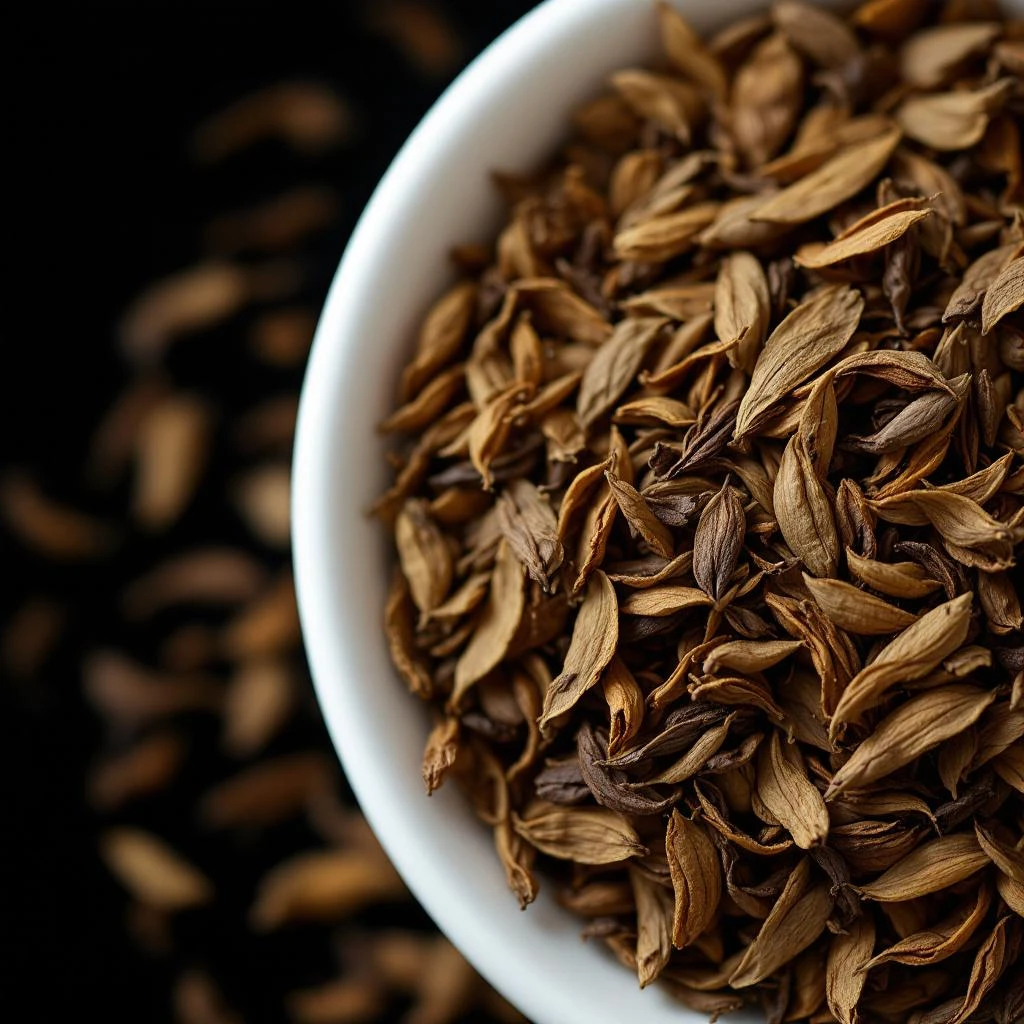
Aloe
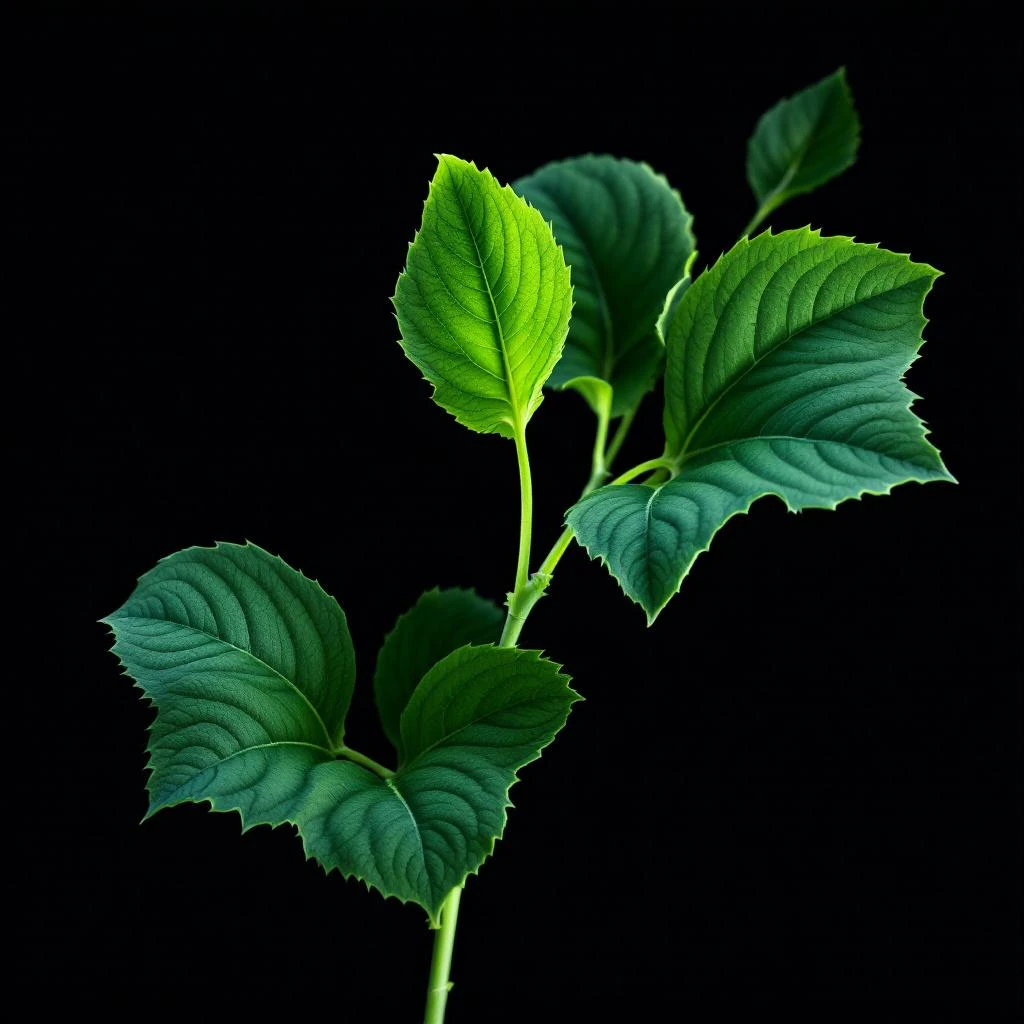
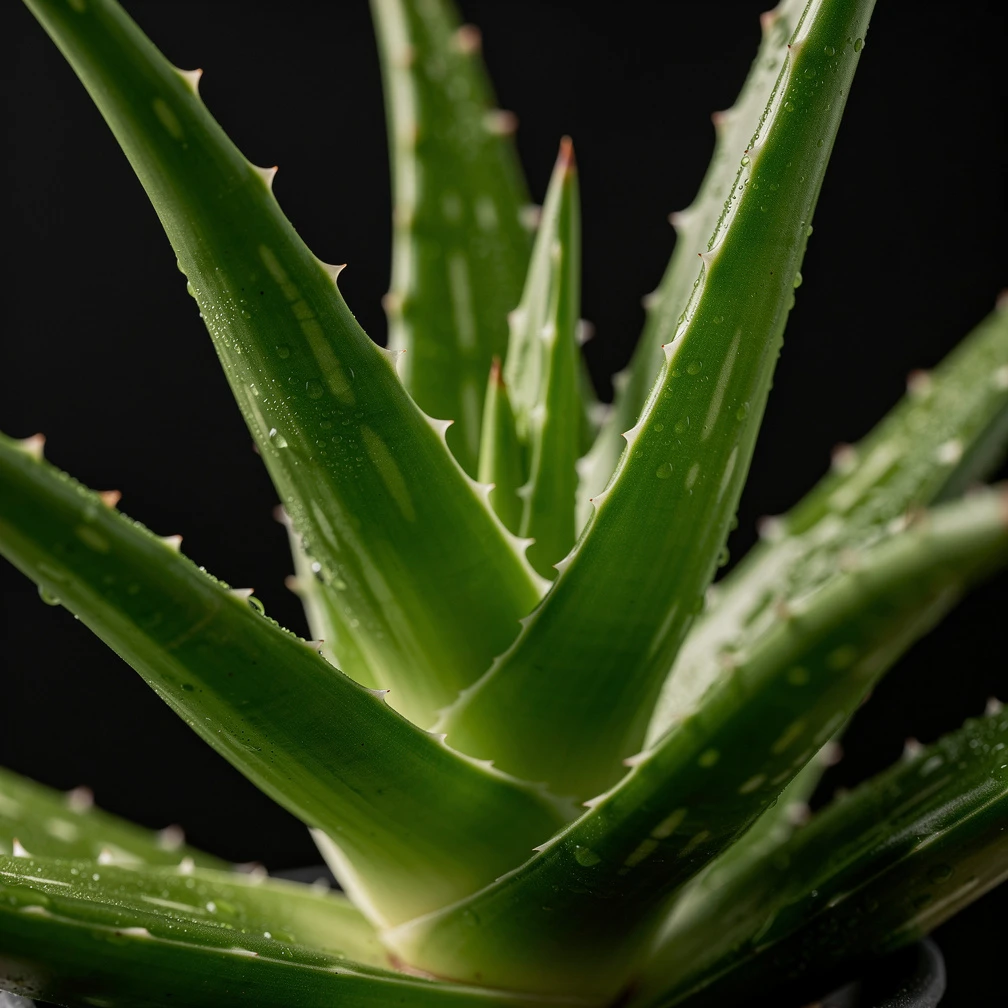
Aloe contributes a fresh, green, aquatic note to perfumery. The absolute captures a subtle sweetness balanced by botanical crispness, making it valued in modern fragrances for its skin-like, regenerative character. It often appears in transparent, clean fragrance constructions.
Character
How it smells
Ancient succulent. Clean, green, water-inspired freshness from desert resilience.
Aloe can survive extreme dehydration by going dormant for years, yet its leaves still yield aromatic compounds when rehydrated and processed.






Origin
Saudi Arabia
Aloe vera has been cultivated for at least 6,000 years, with the first documented references appearing in Egyptian medical texts dating to 4,000 BCE. Known as the "plant of immortality" by ancient Egyptians, aloe gel served multiple purposes: as a cosmetic ingredient in beauty preparations, a medicine for treating wounds and skin conditions, and notably as a preservation agent for the dead. Cleopatra reportedly credited her legendary complexion to daily applications of aloe gel, while pharaohs requested aloe be placed in their tombs to ease their journey into the afterlife. The Greek physician Dioscorides documented aloe's properties in his seminal De Materia Medica around 50 CE, noting its use for everything from wound healing to skin beautification.
Greek soldiers carried aloe preparations to treat battle injuries. Throughout history, aloe crossed trade routes from the Arabian Peninsula to India, East Africa, and eventually the Americas, where Spanish colonizers found it growing throughout the Caribbean. The plant became so ubiquitous in traditional medicine that virtually every culture developed unique applications, from treating burns in medieval Europe to managing fevers in traditional Chinese medicine. In perfumery, aloe's aromatic use emerged in the twentieth century as fragrance houses began exploring ingredients beyond traditional botanicals.
The clean, fresh, and slightly sweet profile aligned perfectly with the透明 (transparent) fragrance aesthetic that dominated late-century fragrance design. Today, aloe occupies a unique position as an ingredient that bridges perfumery with wellness traditions, carrying thousands of years of human use into modern scent creation.
Wears it best
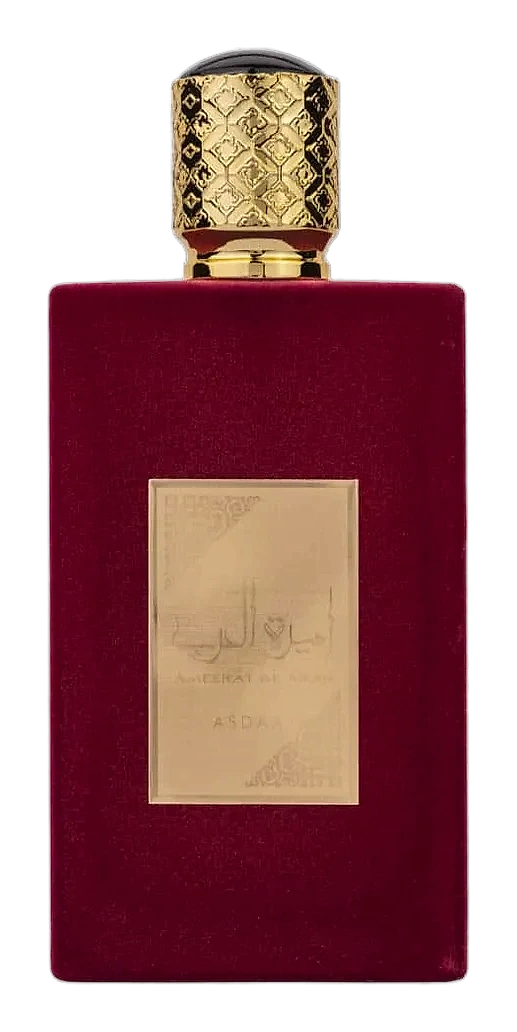
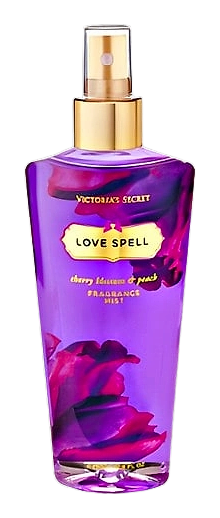
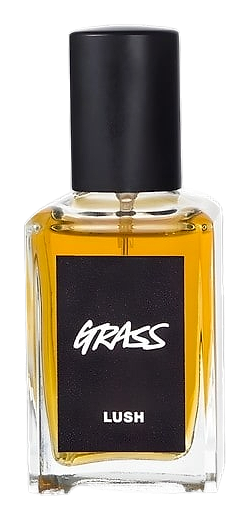
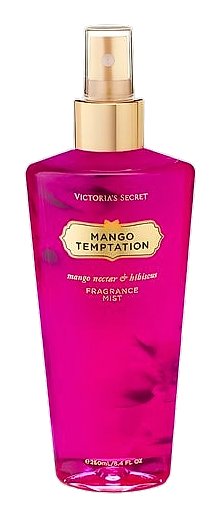
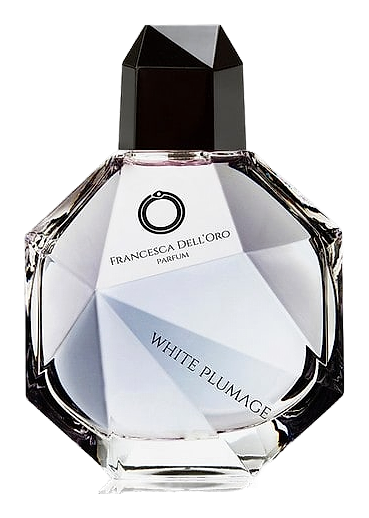
Fragrances featuring Aloe
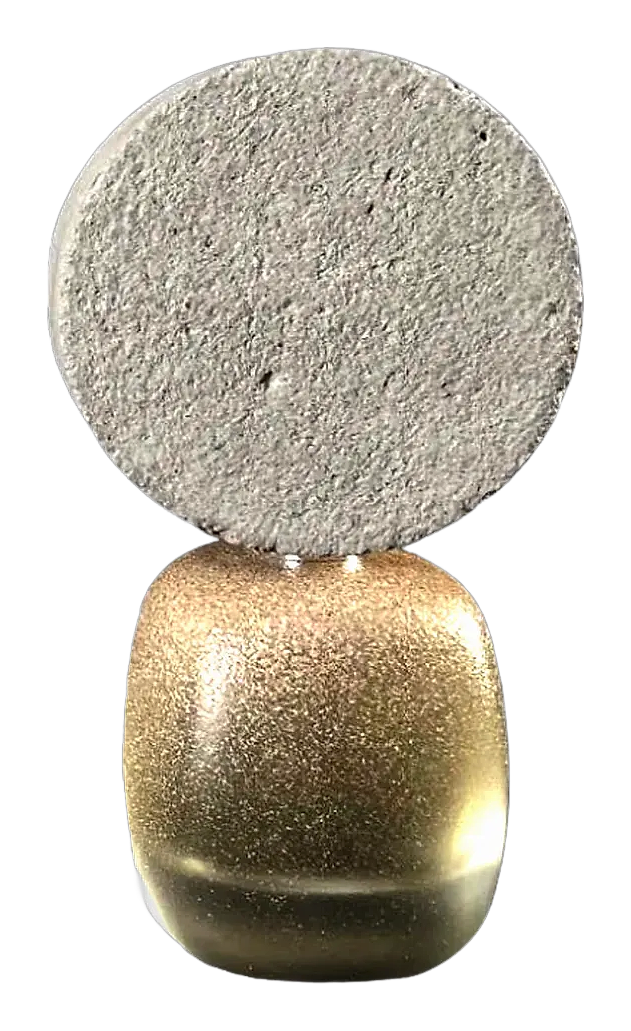
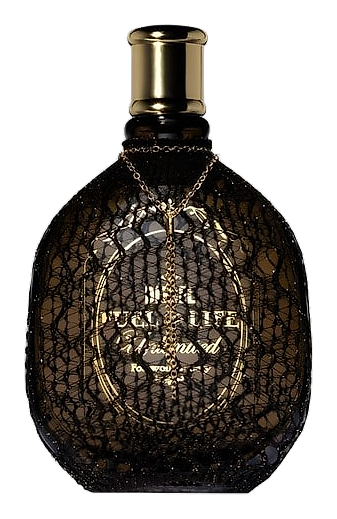
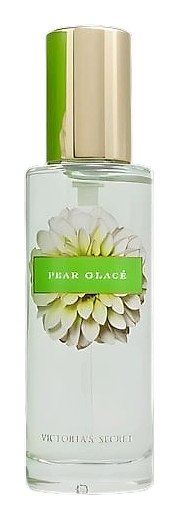
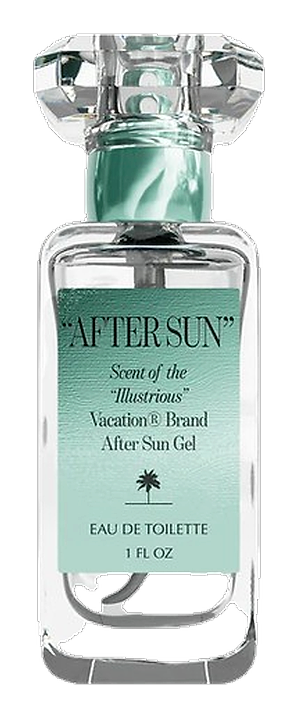
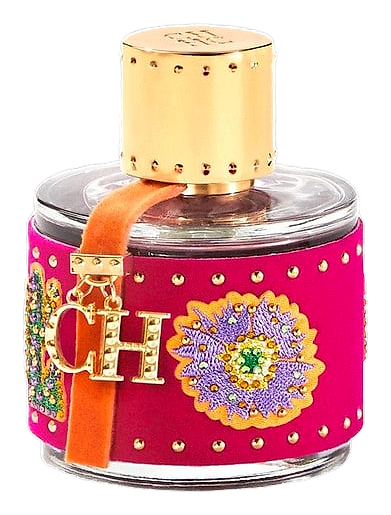
Brands
Brands known for Aloe
Good to know
Questions, answered
The essentials on Aloe in perfumery: how it smells, where it comes from, and how it behaves on skin.
What does Aloe smell like in perfume?
Aloe in perfume smells fresh and green with subtle aquatic undertones. The aroma evokes cucumber water and honeydew melon, with a clean, regenerative quality. Unlike the potent gel used in skincare, the perfumery absolute presents a delicate, transparent scent.
Why is Aloe used in perfumery?
Aloe is used in perfumery primarily for its fresh, clean character that adds transparency to fragrances. The ingredient contributes a green-aquatic dimension without overwhelming other notes. Research indicates that ingredients with wellness associations can enhance consumer perception of fragrance freshness by up to 15%.
Is Aloe in perfume natural or synthetic?
Aloe used in perfumery is entirely natural, derived from the Aloe barbadensis miller succulent. The leaves undergo solvent extraction to produce an absolute, preserving the plant's original aromatic profile. Synthetic aloe-like aroma compounds exist but lack the complexity of natural extracts.
What famous perfumes contain Aloe?
Several notable fragrances feature aloe as a key ingredient. Dolce & Gabbana Light Blue incorporates aloe for its fresh Mediterranean character. The ingredient also appears in Lacoste Eau de Lacoste and various aquatics from designers seeking clean, green freshness. Specific formulations vary by house.
Is Aloe a top note, heart note, or base note?
Aloe functions primarily as a top to heart note in perfumery. Its fresh, volatile compounds project immediately upon application, lasting approximately 15 to 30 minutes. The ingredient sets an initial impression of cleanliness that transitions into the fragrance's core accord.
What notes pair well with Aloe in perfume?
Aloe pairs well with marine, citrus, and green notes. Successful combinations include aloe with sea salt and citrus zest, cucumber and mint, green tea and bamboo, or white musk and transparent florals like lily of the valley. The fresh, clean quality bridges aquatic and green fragrance families.
How is Aloe extracted for perfumery?
Aloe for perfumery undergoes solvent extraction of the fresh leaf gel. Processors harvest mature leaves, separate the inner gel from the outer rind, then treat the gel with enzymes to break down cell walls. Solvent extraction follows to capture aromatic compounds, yielding approximately 0.2 to 0.5% absolute by weight.
Is Aloe used in men's or women's fragrances?
Aloe is gender-neutral in contemporary perfumery. The fresh, clean quality appeals across fragrance preferences. Masculine fragrances like Dior Fahrenheit and Versace Dylan Blue use aloe in aquatic and green compositions. Unisex lines featuring aloe include various designer releases from 2000 onward, with usage increasing 40% since 2010.