
The Story
Why it exists.
The beginning
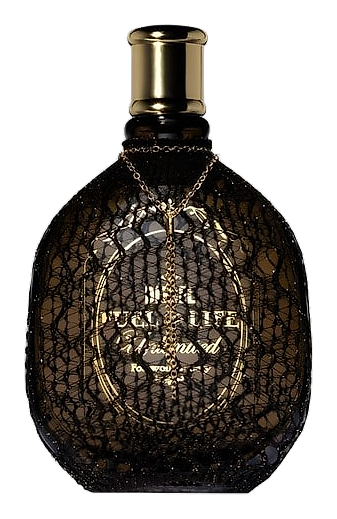
Fuel for Life Unlimited arrived in 2008, a time when mass-market florals played it safe. Diesel, already known for fashion that refused to behave, gave its perfumers Olivier Cresp, Harry Frémont, and Jacques Cavallier-Belletrud a brief that matched the brand's philosophy: bold, self-assured, never derivative. The result was a tropical-floral that didn't follow the script. Guava and mandarin against white florals against an unexpected licorice note, the combination shouldn't have worked. It did.
The most interesting thing about Fuel for Life Unlimited isn't any single note, it's the conversation between them. Guava and citrus open bright and tart. The heart brings white florals, but the licorice keeps whispering underneath, giving the sweetness a sharp edge. It's the anis quality that separates this from dozens of similar fruity-florals. Sweet, yes. But with something to say.
The evolution
The opening is immediate: citrus and tropical fruit hitting at once, the guava adding a tartness that surprises. Within twenty minutes, the florals take over, tuberose leading, jasmine following, lily adding softness. The middle phase is where the licorice becomes apparent, threading through the florals like a quiet argument. Then, slowly, the florals recede and the base arrives: sandalwood and musk, warm and close. By hour six, it's skin-level only. On fabric, it lingers for days, the citrus long gone, the sandalwood-musk drydown persistent.
Cultural impact
Fuel for Life Unlimited found its audience in women who wanted something more interesting than the prevailing mass-market florals. The tropical-fruity-floral combination was not unique to this fragrance, but the licorice edge set it apart, making it memorable in a crowded category. Over fifteen years later, the composition still reads as distinctive, a testament to what happens when perfumers are given room to take risks.