The Story
Why it exists.
The beginning
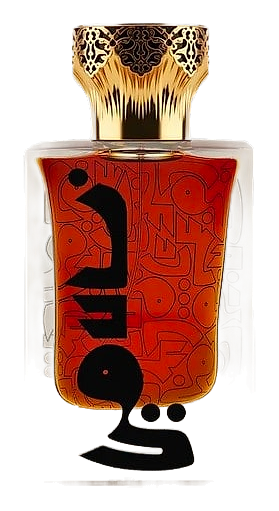
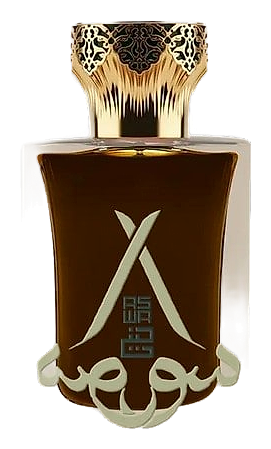
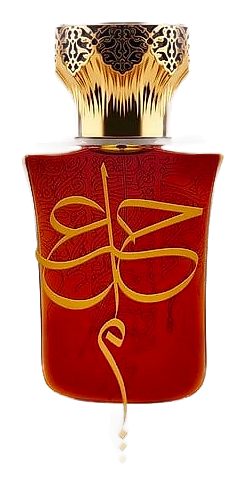
Ijtimāʿ began as a question about the difference between a collection and a composition. A collection is simply things held together, while a composition emerges when materials meet and change one another. That premise shaped a fragrance assembled around opposing textures: bright grapefruit and bergamot, white and blue lotus, silk, tobacco, civet, saffron, rose, and several expressions of oud. The result is not a neat collection of notes. It is a deliberate collision of polished florals, dense smoke, animalic depth, and resinous woods, a study in how sharply contrasting materials can sit beside one another and still read as a single idea.
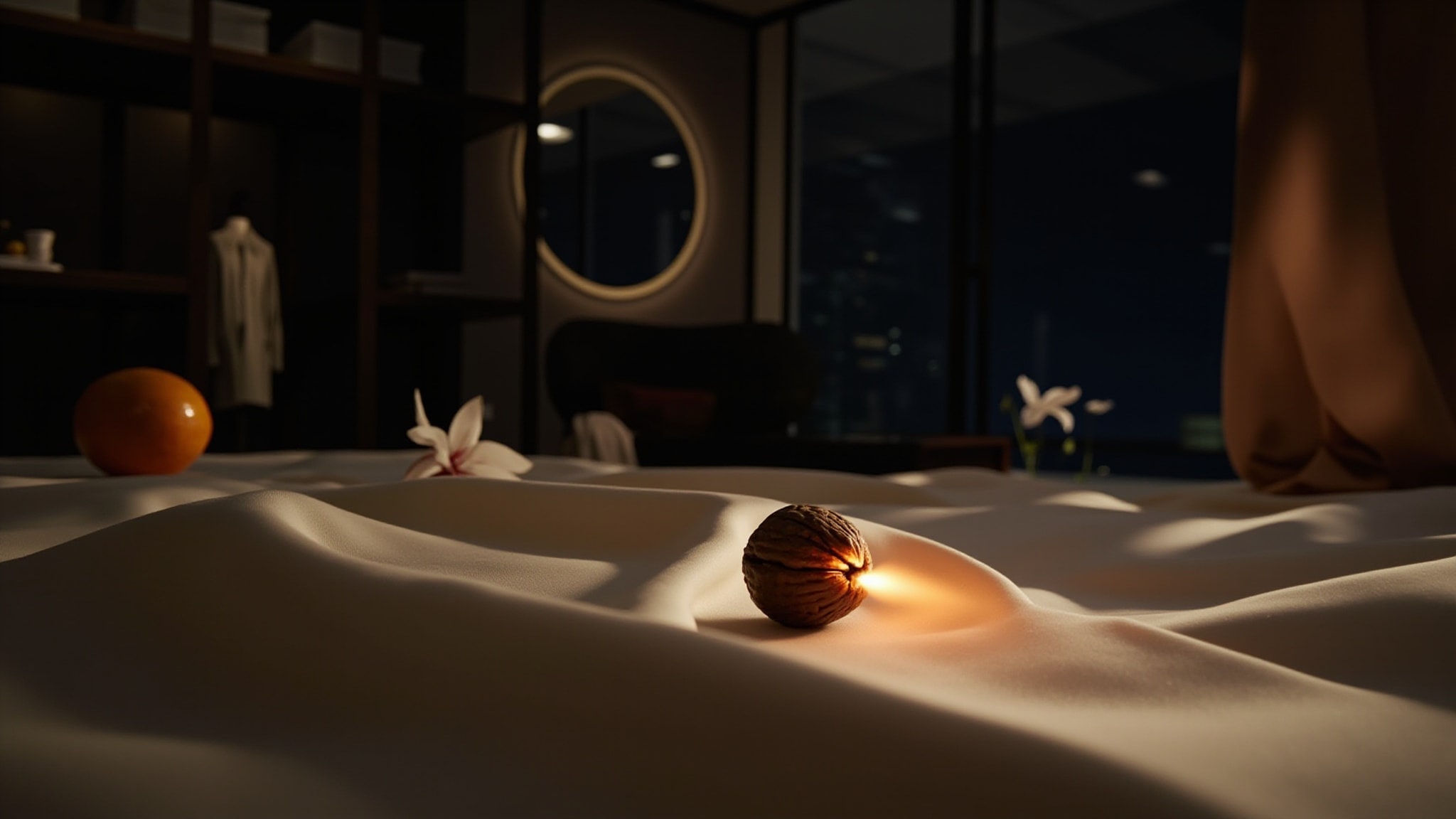
The unusual part is how many kinds of heat share the same composition. Citrus lifts one edge, saffron and cinnamon bring spice, cigars add a roasted edge, and oud supplies a dark woody current. Lotus, jasmine, and Damask rose keep that heat from becoming merely dry. Civet, silk, and ambergris introduce materials of a different order, sitting against the florals and the smoke in a way that gives the composition its layered texture. That range explains the fragrance's appeal, because each material changes the temperature of the next.
The evolution
Ijtimāʿ is built on a wide spread of materials: grapefruit and bergamot on one side, saffron and cinnamon on another, cigar notes and tobacco adding roasted warmth, and oud grounding the whole in dense resinous wood. Lotus, jasmine, and Damask rose soften that warmth with cool floral textures, while civet and ambergris add a deeper, animalic layer beneath. Blue, white, and pink lotus sit alongside silk, and several expressions of oud give the composition more than a single woody dimension. Read together, the notes describe a fragrance that holds smoke, flower, spice, and resin at once, each material pushing the others in a different direction rather than pulling toward one recognisable centre.
Cultural impact
Ijtimāʿ sits in a contemporary register, built from materials that carry their own associations: tobacco and cigar notes for the roasted, animalic warmth of civet and ambergris, the cool floral character of lotus, jasmine, and Damask rose, and the resinous depth of several expressions of oud. Grapefruit, bergamot, saffron, cinnamon, and cade juniper complete the picture. What makes the composition worth exploring is the way these materials meet, the contrast between a clean citrus note and a dense, smoky oud, and the floral notes that hold the middle together.
The House
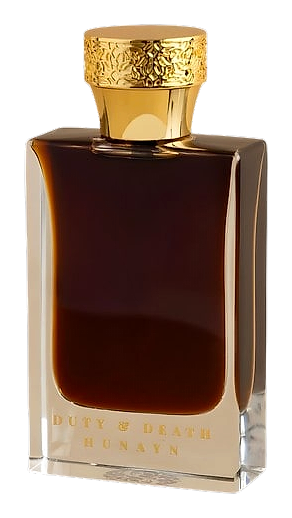
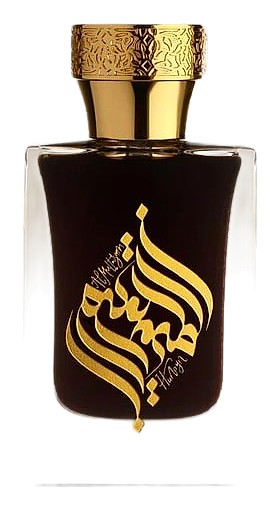
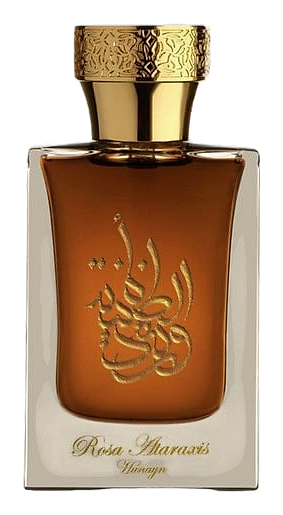
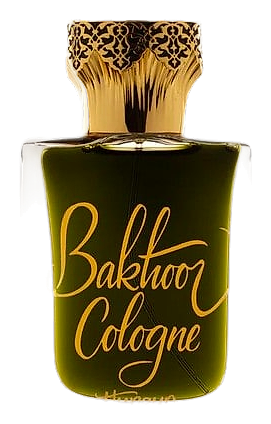
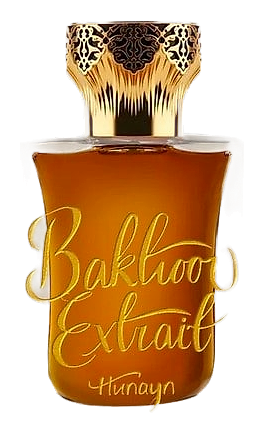
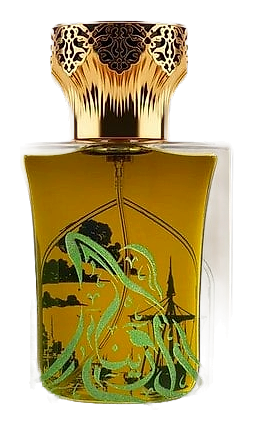
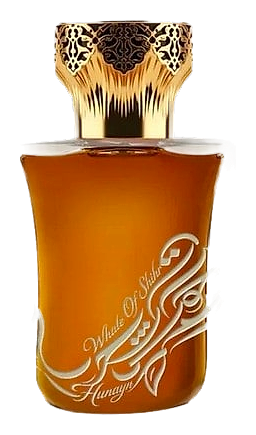
HunaynHunayn is a London‑based fragrance house launched in early 2024. The brand draws on Islamic heritage, naming itself after the historic Battle of Hunayn, and positions its scents as contemporary reinterpretations of ancient olfactory traditions. Within its first two years the house released a series of niche perfumes—including Elysian Santal II, Al Multazam and Bakhoor Cologne—that have been noted for their balanced use of regional ingredients and modern compositional techniques.
The Creator
Adill AliAdill favors a minimalist architecture, often building around a single dominant note before layering subtle accents. He reaches for Indian attars, warm spices, and dry woods, then introduces unexpected touches of citrus or marine accords to keep the composition lively.