The Story
Why it exists.
The beginning
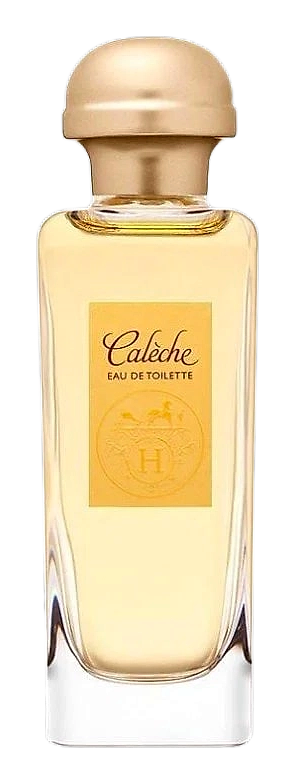
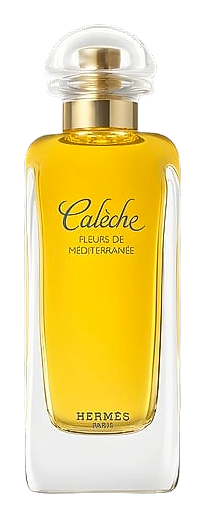
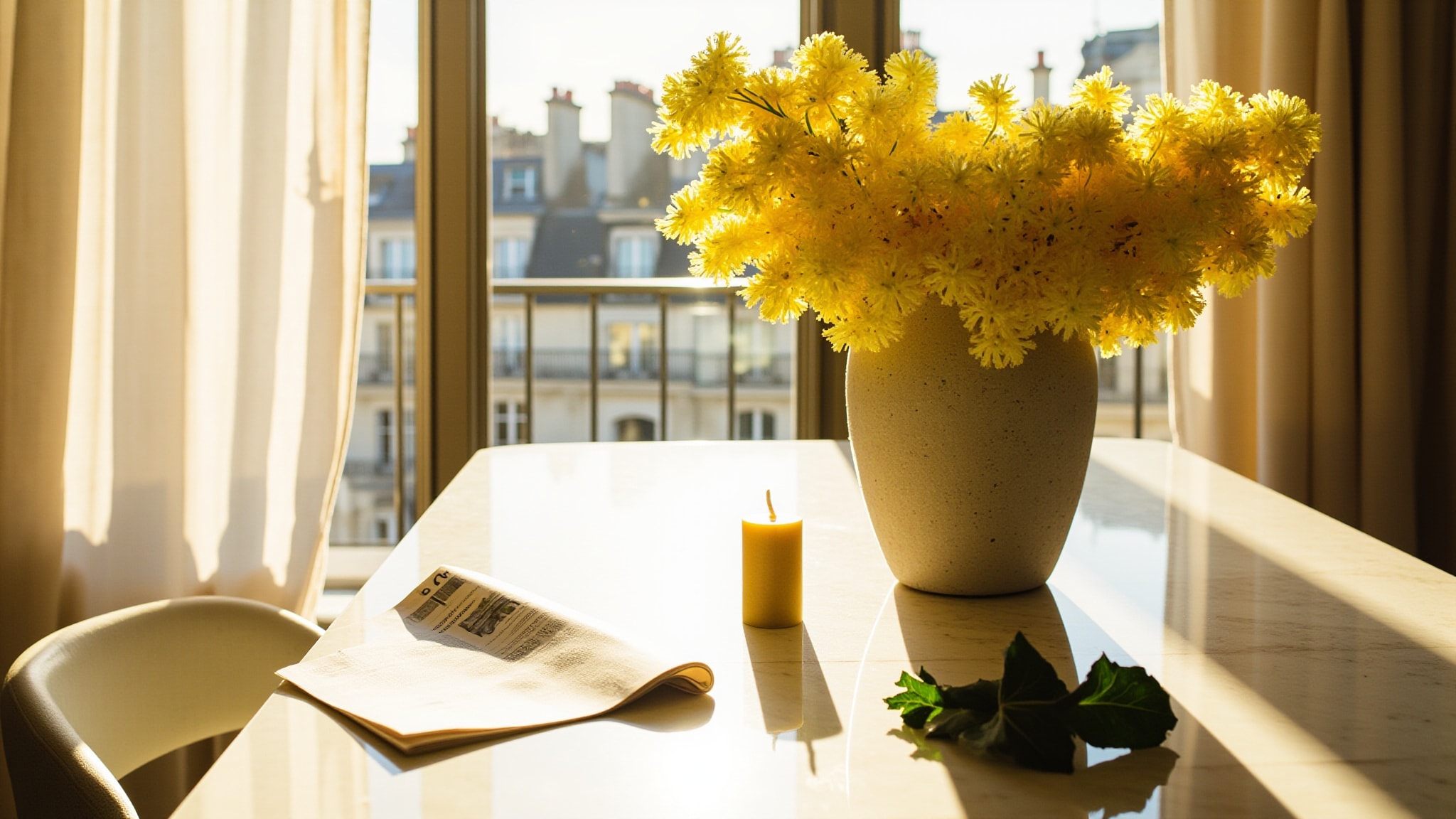
Calèche Fleurs de Méditerranée launched in 2003, part of Hermès' ongoing expansion of the Calèche line that began with the original 1961 aldehyde floral. The fragrance was built around mimosa, a flower the house returned to with conviction. Hermès commissioned French poet Francis Ponge's text on mimosa for the press materials, quoting his image of "golden puffs, the downy tufts of new-born chicks." That focus on a single yellow bloom shaped the entire composition, a deliberate centering of mimosa that reframed how the note could carry a fragrance on its own. The original aldehyde composition gave Calèche its structure, bright and architectural, and the Mediterranean chapter kept that lineage while redirecting the volume toward something softer and more sun-warmed.
Mimosa is often treated as a whisper, a sweetness tucked into a larger floral arrangement, but here it takes the lead role. The beeswax note gives it density and warmth, the kind of golden weight that turns a fragile yellow flower into something that lasts on skin and reads almost edible in its richness. Jasmine and rose appear, but their volume is turned down so the mimosa can hold court, and they serve as texture rather than as headline. The violet leaf adds a green, slightly sharp edge that keeps the sweetness honest, preventing the composition from tipping into syrup.
The evolution
The first fifteen minutes read almost green and unsalted, violet leaf opening with a cool snap before the mimosa blooms outward from underneath. By the thirty-minute mark the composition settles into a golden hush, beeswax thickening the air, jasmine and rose threading through like light through linen. The sunflower note is doing quiet work in this phase, lending a dry, vegetal warmth that stops the florals from floating away. Around the two-hour mark the warmer registers start to surface, not as a shock but as an exhale, the beeswax deepening into something almost resinous. By hour four the florals have thinned to a powdery veil, and what remains is that beeswax base, warm, slightly furry, unmistakably close to skin. The waxy texture persists, a golden trace that still reads floral in origin rather than as a typical woody drydown.
Cultural impact
Calèche Fleurs de Méditerranée is frequently compared to other mimosa-led compositions, including L'Artisan Mimosa pour moi and Perris Monte Carlo Mimosa Tanneron, though it wears drier and warmer than either of those references. Where some mimosa fragrances lean sweet or soapy, this one pulls toward a beeswax density that gives the flower unusual presence on skin. The violet leaf keeps the opening from feeling overly golden, and the jasmine and rose stay in the background as texture rather than as competing florals.