
The Story
Why it exists.
The beginning
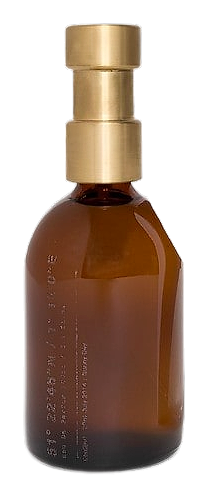
The coordinates in the name point to a specific patch of English shoreline, and Haeckels named the fragrance for that exact location. 51° 22' 46"N / 1° 12' 0"E reads like a cartographic label, stripped of poetry and presented as data. The scent itself reads as a portrait of low English coastal scrub: rosemary and balsam fir growing in salt-laden soil, lavender planted where the chalk meets the marsh, clove and frankincense burning somewhere in the wind. The opening carries a bracing green chill, the kind of cold herbal snap you'd get walking a cliff path in early spring when the wind hasn't warmed up yet. Lavender moves through the middle in a dry, almost medicinal register, less French garden and more windswept field.
Most aromatic greens chase a single idea, and most fail by going either too herbal or too synthetic. This one threads between them by leaning on resin and wood as structural anchors. Frankincense and cardamom hold the middle open. Guaiac wood and oud give the base a warmth that prevents the rosemary and lavender from reading as bathroom-clean. The pink pepper and bergamot do quiet work at the top, bright without shouting. It's a composition that treats green as a starting point, not a destination.
The evolution
The first ten minutes belong to rosemary and bergamot, sharp enough to register almost as cologne. Then the cloves arrive and the whole composition tips warmer. Lavender and frankincense settle into the heart over the next hour, creating a cool, resinous plateau that smells less like a fragrance and more like an old church in coastal fog. Around the three-hour mark, the cardamom and damask rose surface briefly, adding a spiced floral breath before the base takes its position. From hour four onward, guaiac wood, vetiver, and oud do the quiet work. What remains after six hours is a close-skin blend of wood smoke and dried herbs, barely there but unmistakable. On a sweater the next morning: rosemary, faint clove, the memory of fir resin.
Cultural impact
The fragrance occupies a specific niche within independent British perfumery, one that values locality over the heritage narratives traditionally associated with European fragrance houses. 51° 22' 46"N / 1° 12' 0"E wears like a green aromatic with real texture: the opening hits with raw herbal intensity, rosemary and lavender competing for attention over a resinous balsam fir base. The lavender here is austere rather than creamy, almost camphorous, reading more like a wild plant clinging to a cliff face than something cultivated. Clove arrives in the heart, adding a warm spiced edge that softens the austerity without smoothing it out.