
The Story
Why it exists.
The beginning
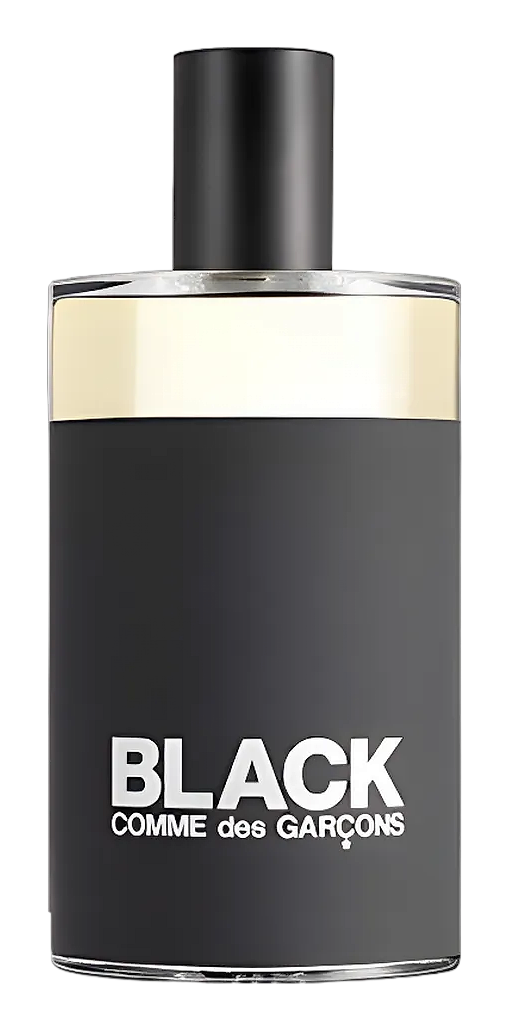
Comme des Garçons has built a house on deliberate discomfort. The question isn't whether their fragrances smell expensive, it's whether they smell at all in the conventional sense. Black drops that question entirely. No florals. No sweetness. Just smoke, tar, and the kind of pepper that arrives without warning. Guillaume Flavigny designed this in 2013 as an exercise in reduction. Where other dark fragrances reach for easy associations, incense that smells like a spa, leather that smells like a car interior, Black refuses. The Somalian frankincense here isn't the cozy church-smoke of a dozen niche competitors. It's raw. Unblended. The black pepper doesn't complement, it confronts. And birch tar does exactly what birch tar should: remind you that this was once something that burned.
What makes this structure unusual is the absence of cushion. Most smoky fragrances balance their harshness with vanilla, benzoin, or some honeyed warmth. Black has cedar and vetiver, and both arrive late, only after the leather and tar have had their say. The licorice in the heart isn't the anise-laced sweet of confection. It's the bitter, slightly salty black licorice that makes people flinch on first encounter. The brand didn't soften it. They leaned in. Birch tar itself is polarizing by design. It smells like leather that has been torched, industrial, almost medicinal in its opening. On paper, it's the kind of note perfumers use sparingly, as accent rather than foundation.
The evolution
The first thirty minutes are not gentle. Black pepper detonates with an aridity that borders on medicinal, sharp, almost harsh, with the Somalian frankincense arriving second, adding smoke but never sweetness. The combination is confrontational in a way that tests first impressions. Some wearers stop here. Those who stay are rewarded. Within the first hour, the harsh edges round into something more structured. The birch tar emerges from beneath the pepper, and the heart reveals its true character: leather without comfort, licorice without sugar. For the next two to three hours, this is a fragrance that occupies space deliberately. Not loud, moderate sillage means it stays close, intimate, a personal cloud rather than a room-filler. But the quality of that presence is undeniable. On fabric, the tar-leather-anise combination creates a scent that reads as both ancient and industrial simultaneously. The drydown begins around hour four. Cedarwood arrives, dry and smoky, followed by vetiver that adds a mineral, slightly bitter edge.
Cultural impact
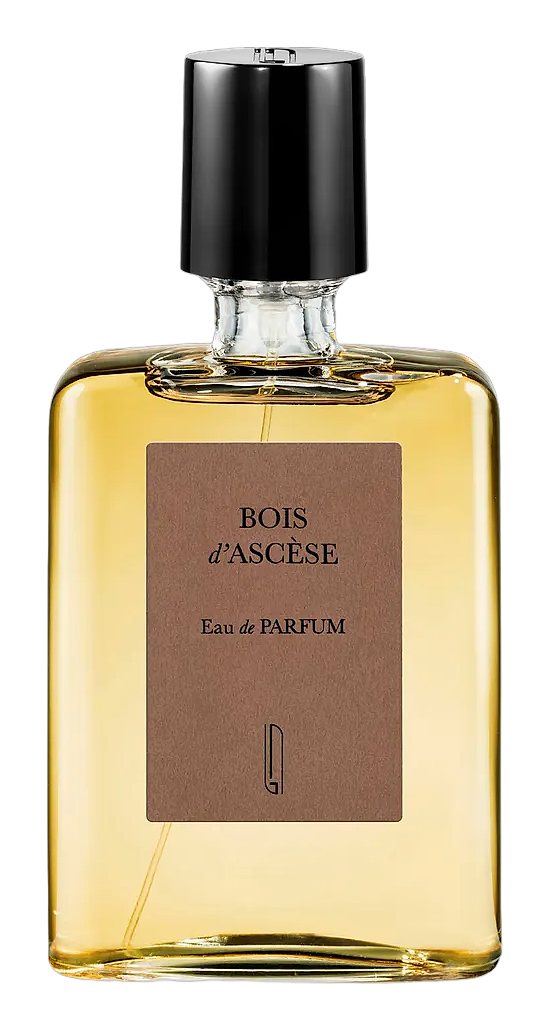
Black has accumulated a devoted following among those who wear avant-garde fragrances as a form of self-expression rather than attraction. The gothic framing appears repeatedly in community discussion, not as costume, but as genuine affinity for darkness, smoke, and materials that refuse comfort. It sits alongside Bois d'Ascèse by Naomi Goodsir and Black Larch by Beaufort as a reference point for what smoke and tar can do when they refuse to apologize for themselves. The fragrance is strongly preferred during colder seasons, with enthusiasts noting its intensity suits fall and winter wear.