The Story
Why it exists.
The beginning
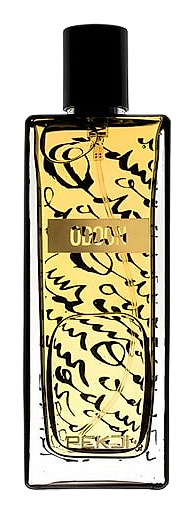
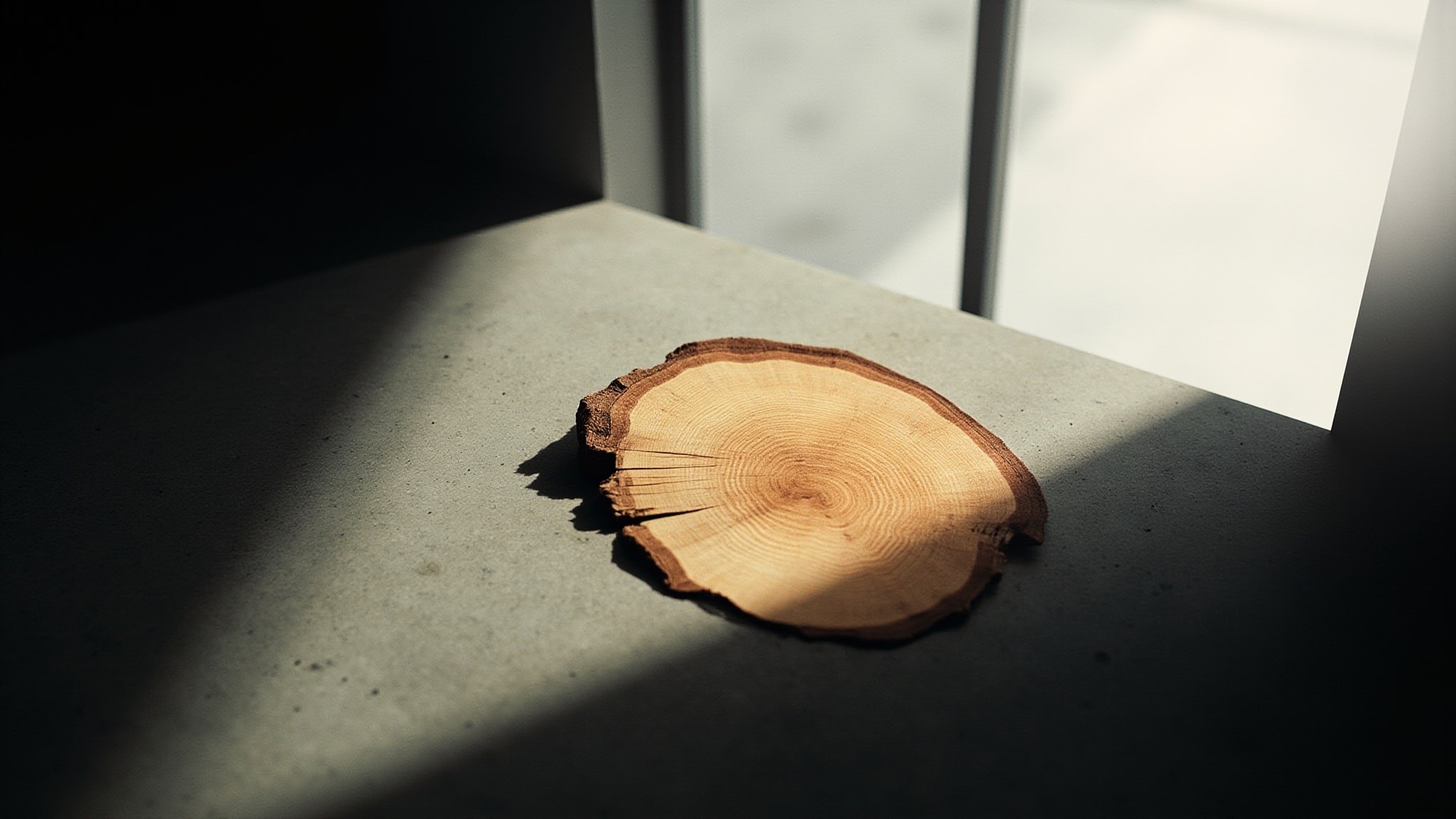
The name says everything. Odoon is Turkish for wood, and Ömer Ipekçi built this fragrance as an ode to the material itself, not what wood can become when dressed in florals or buried under sweetness, but the thing itself. Launched in 2015, before the brand formalized in 2018, Odoon circulated among Istanbul's underground scent circles as an experiment in reduction. What happens when you make the supporting cast the lead? Ipekçi describes it as a Platonic ideal of wood, the concept of wood, not the stereotype of it. The smoke is present. The resins are present. But so is an airy quality, something almost green and structural, like standing inside a forest rather than walking past it. This is wood as fundamental layer, the smell of something built rather than something perfumed.
The structural choice here is unusual. Where most fragrances use woods as a foundation, the thing that supports the florals and the sweetness, Odoon uses woods as the entire composition. Every note serves the same family: ash, pine, cedar, oak, guaiac wood, sandalwood. Pepper adds a brief sharpness at the opening. Vanilla and musk arrive late, warming the drydown into something that reads as skin rather than structure. The resins anchor everything, preventing the wood from becoming abstract. There's a reason the perfumer calls it hyperwood, it's wood pushed to the extreme, made concentrated and essential. Not realistic. Idealized.
The evolution
The opening arrives without ceremony. Ash and pine announce themselves first, a quiet, mineral quality, like standing near a fireplace that's just been lit. The smoke doesn't hit immediately; it threads through after twenty minutes, weaving between the wood notes like incense in a quiet room. The pepper is brief, a fleeting sharpness that disappears before you can name it. By the second hour, cedar has claimed the composition. The heart of this fragrance is warm and resinous, guaiac wood lending its characteristic smoky sweetness, oak adding structural weight. This is where Odoon earns its description as a Platonic ideal: not realistic, but essential. The tree without bark, stripped to its warmth. The transition into drydown takes another three to four hours. Vanilla arrives softly, followed by musk. The resins hold everything together. By hour eight, on most skin, what's left is skin itself, a warm, close drydown that someone might mistake for their own scent if they weren't paying attention.
Cultural impact
Odoon arrived in 2015 as part of the RE:RE:COLLECTION, predating Pekji's formal 2018 debut. The fragrance circulated in Istanbul's underground scent circles before the brand opened to the public, becoming a reference point for the wave of minimalist woody fragrances that followed. Early adopters recognized it immediately as an unusual composition, wood as the entire structure rather than the foundation. In Turkish fragrance culture, where traditional rose and citrus dominate, Odoon represented a radical departure toward essentialism. The 2015 release predates the global trend toward wood-forward compositions by several years, positioning it as an early experiment rather than a follower.