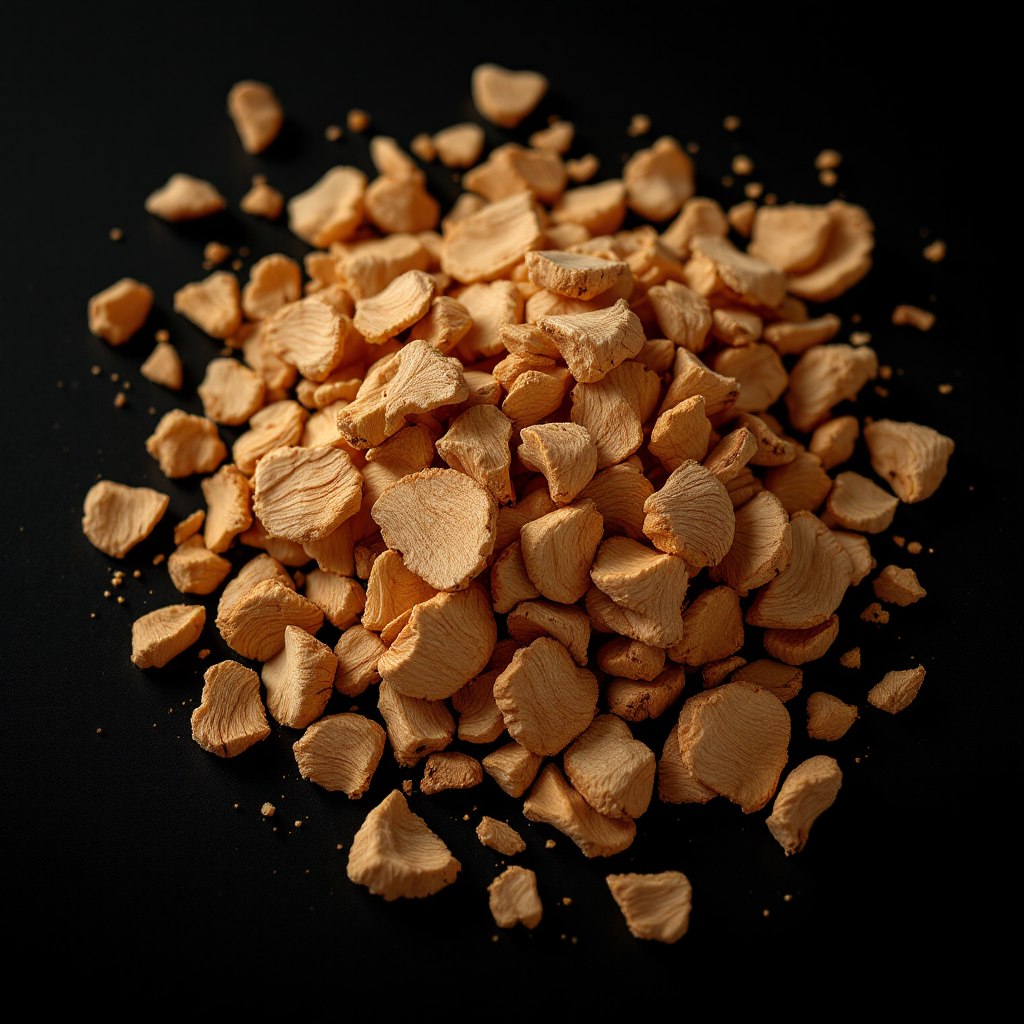
Pepperwood
Pepperwood brings a sharp, aromatic warmth to fragrances, capturing the spicy essence of tropical Piper species in an aromatic wood form.
Character
How it smells
Tropical spice, woody depth
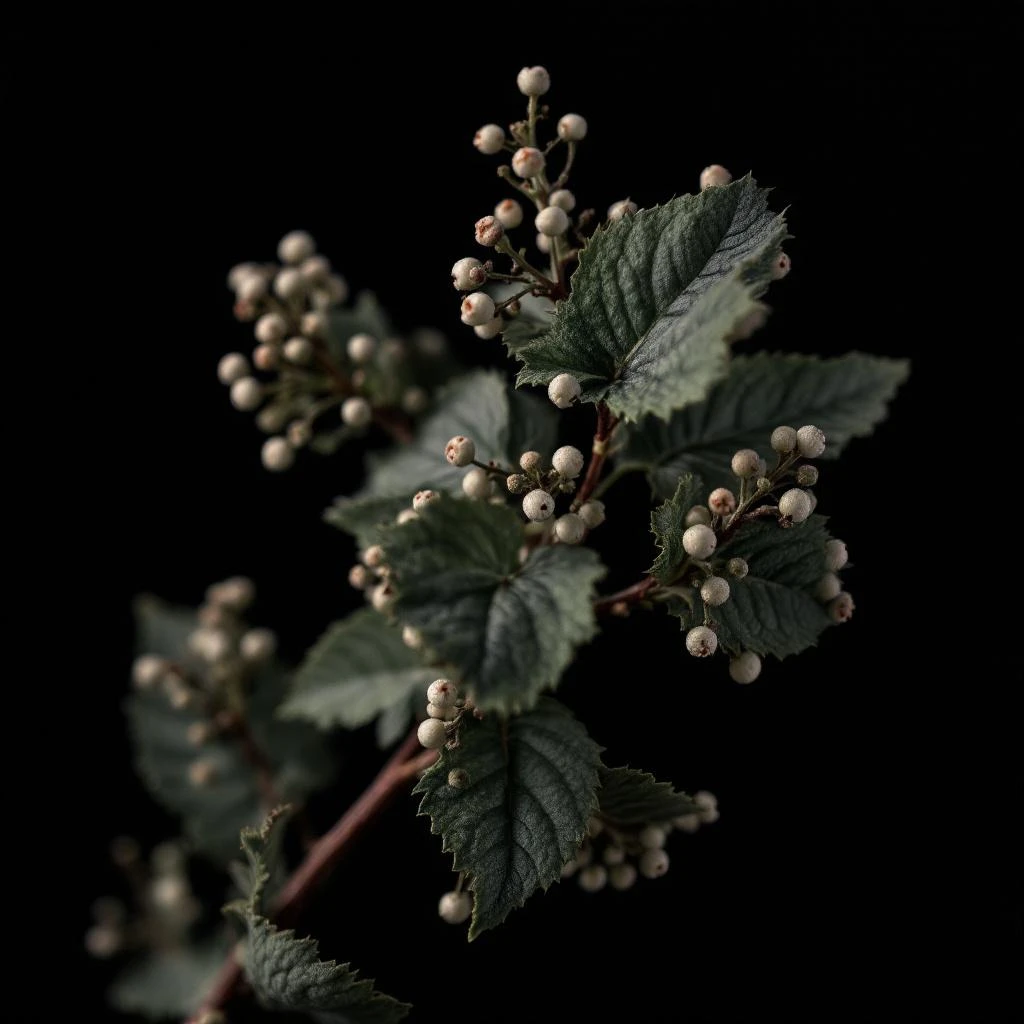
Piper species grow as climbing vines that can reach 4 meters high on rainforest trees for support.







Origin
India
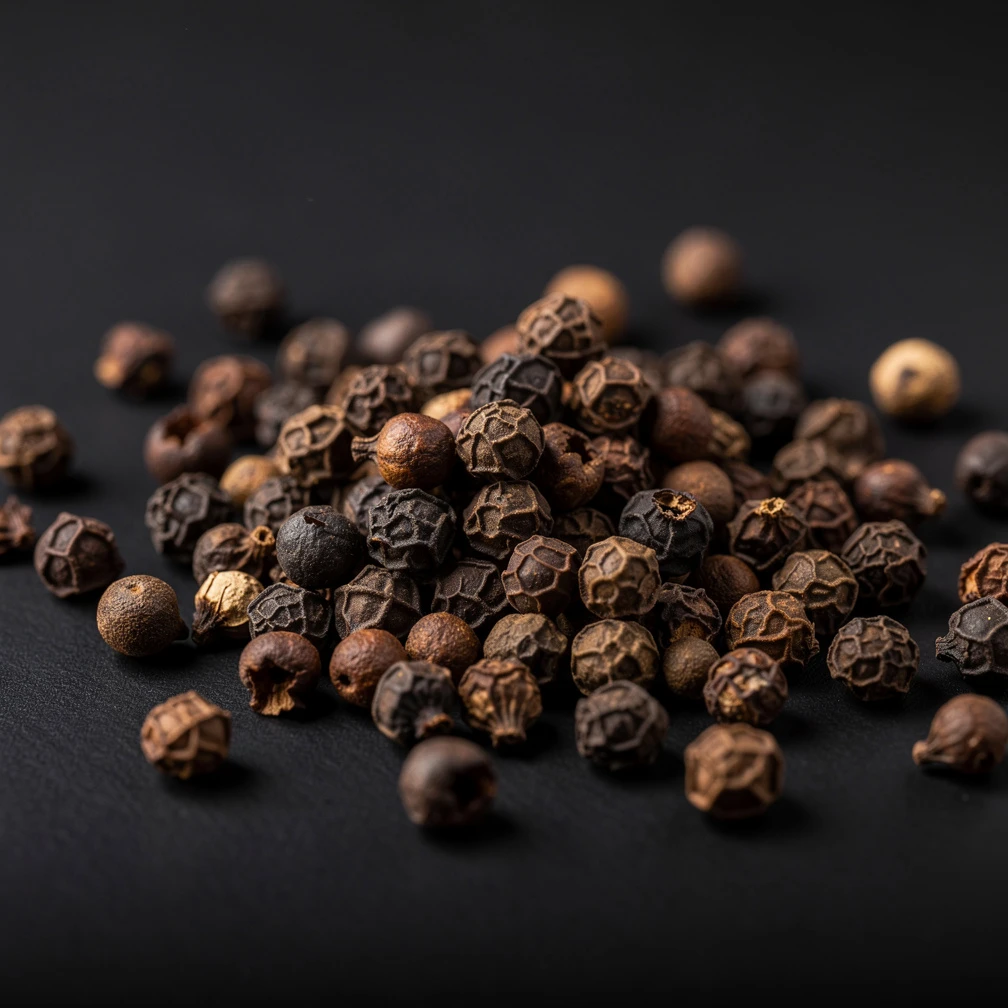
Piper nigrum, the plant behind pepper, originated in the Western Ghats of India where local traders harvested it for millennia before trade routes spread it globally. Ancient Ayurvedic texts document pepper for medicinal and aromatic uses. The spice commanded such value that European explorers actively sought alternative routes to India during the Age of Discovery.
While peppercorns dominated global trade, perfumers recognized the aromatic potential of the entire vine. Contemporary fragrance producers now extract value from wood and plant material left after berry harvest, transforming byproduct into perfumery ingredient with renewed interest in sustainable sourcing practices.
Wears it best
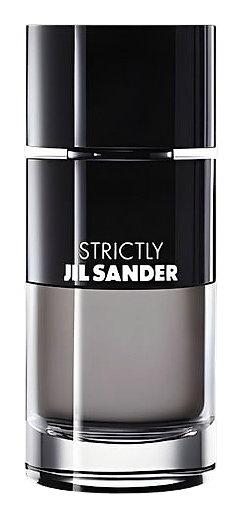
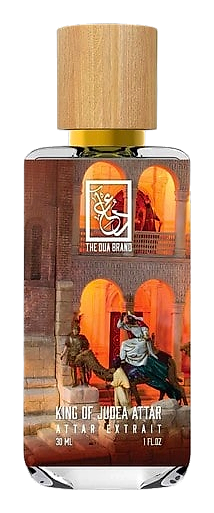
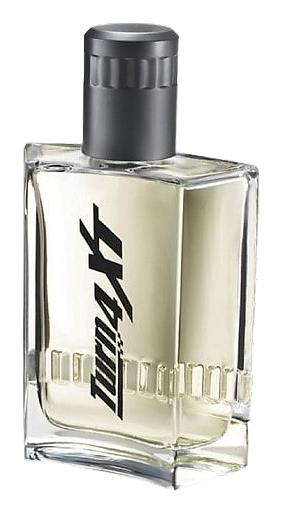
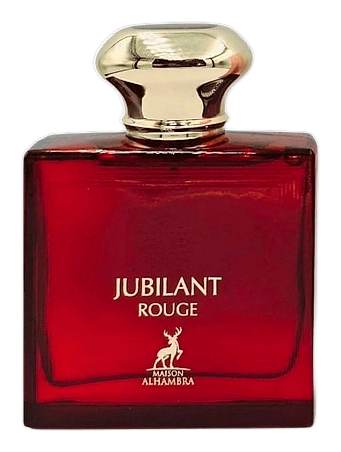
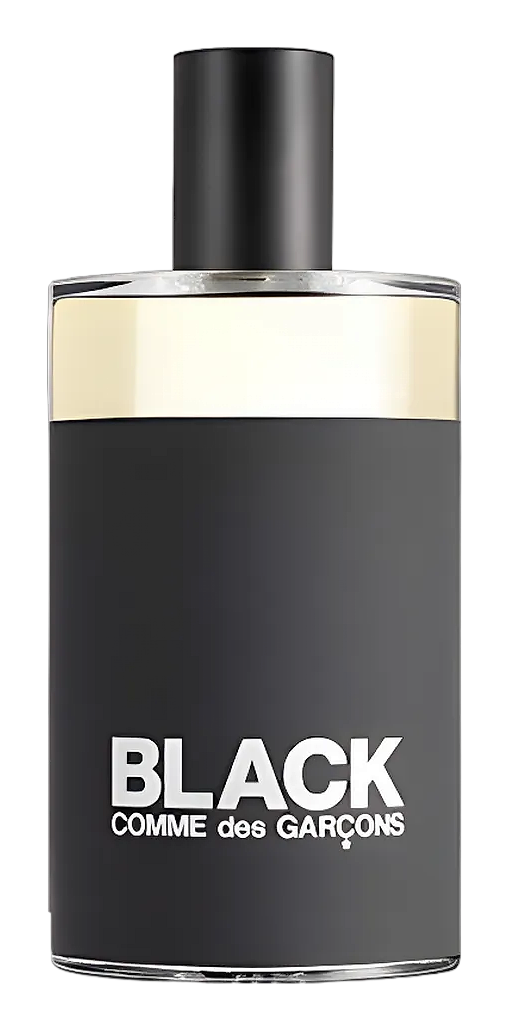
Fragrances featuring Pepperwood
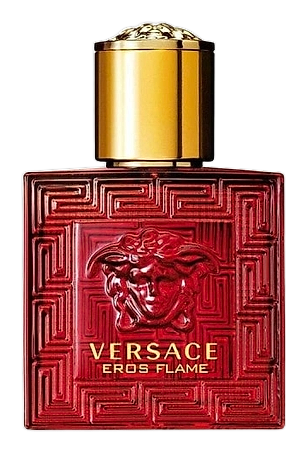
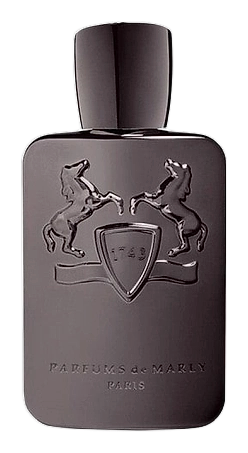
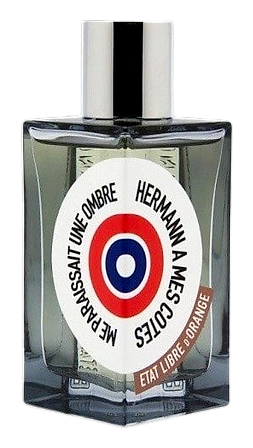

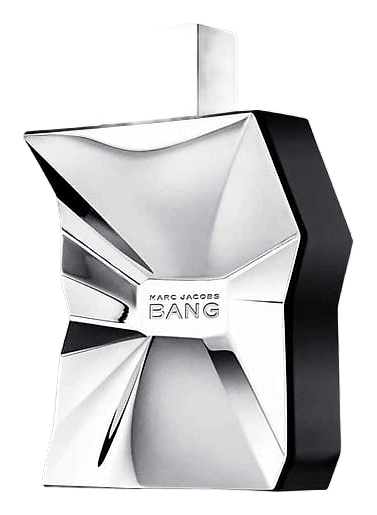

Brands
Brands known for Pepperwood
Good to know
Questions, answered
The essentials on Pepperwood in perfumery: how it smells, where it comes from, and how it behaves on skin.
What does Pepperwood smell like?
Pepperwood delivers sharp, biting spice with warm woody undertones. It combines the fresh crack of black pepper with resinous, slightly balsamic wood notes that add depth without heaviness.
Where does Pepperwood come from?
Piper species grow natively across South and Southeast Asia, with primary commercial production centered in India, Indonesia, and Malaysia. The Western Ghats of India represent the historical origin.
Is Pepperwood a natural or synthetic ingredient?
Pepperwood exists in both natural and nature-identical forms. Natural extracts come from steam-distilled or CO2-extracted Piper plant material. Synthetic alternatives replicate key aromatic compounds like alpha-pinene and beta-caryophyllene.
Which fragrance families use Pepperwood?
Perfumers employ Pepperwood across woody, spicy, and fougère families. It anchors men's orientals, energizes fresh chypres, and adds realistic spice to green compositions. The material bridges warm and cool scent territories.
How is Pepperwood extracted?
Steam distillation of dried wood and vine material produces essential oil. CO2 supercritical extraction yields materials closer to the living plant. Solvent extraction creates concretes for absolute production.
What parts of the pepper plant are used?
While peppercorns dominate culinary trade, perfumery also uses wood, stems, and leaves from Piper species. This approach maximizes harvest value and provides aromatic compounds distinct from berry oil.
Does Pepperwood perform well in perfume?
Pepperwood projects moderately strong in top and heart notes, with decent tenacity. The scent evolves over several hours, revealing progressively warmer, more resinous qualities.
Is Pepperwood sustainable?
Ethical producers source Pepperwood from established Piper plantations during routine vine management and harvest byproduct, avoiding additional deforestation or wild harvesting pressure.