
The Story
Why it exists.
The beginning
Absolu d'oranger is a study in devotion to a single ingredient, and that ingredient is the orange tree. Not just the flower, but the whole tree. The leaf, the fruit, the blossom, everything the tree offers gets pulled into the composition. Godet built the fragrance around the brightness of citrus zest set against the earthy weight of oakmoss and vetiver, with iris threading through to keep the sweetness in check. It's a deliberate construction, a composition that knows exactly where it wants to land and commits to the architecture without apology. The orange tree is generous in nature, offering leaf and flower and fruit from the same branch, and Absolu d'oranger takes that generosity as its starting point.
Orange blossom is a treacherous note, gorgeous in nature and often flat in a flacon. What saves Absolu d'oranger is the supporting cast. The petitgrain brings a green bitterness that prevents the blossom from cloying, and it does so without ever announcing itself. The blackcurrant bud adds a sharp, almost vegetal edge that cuts through the sweetness. And then the iris, the most interesting choice in the composition. Iris in an orange blossom composition usually means powder, lipstick, something vintage and stifling.
The evolution
The opening is a citrus riot, almost aggressive in its brightness. Bergamot, lemon, mandarin, that tart green snap of orange leaf. It reads almost like a high-quality eau de Cologne, bracing and clean. Someone nearby will catch it and think cologne. They'd be wrong. The blossom arrives next, not as a wall but as a slow unfurl, sweet and honeyed, the way real neroli smells when the air is thick with it. The iris meets it halfway, dusty and cool, and the combination takes on a softness that feels almost suede-like in its texture. The blackcurrant bud never quite leaves, threading through the heart like a green vine, adding a vegetal sharpness that keeps the sweetness honest. As the hours pass, the base takes over. Cedarwood, oakmoss, a hint of vetiver rootiness. The citrus is gone but its memory lingers, dried down into something warmer and earthier.
Cultural impact
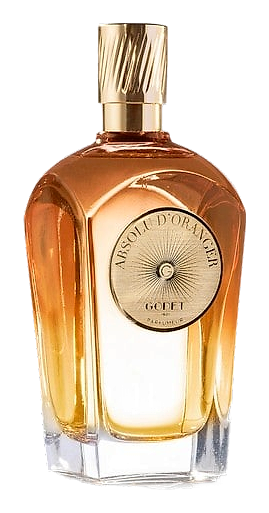
Absolu d'oranger sits in a space where classical perfumery meets contemporary taste, without fully belonging to either. Wearers tend to describe it in terms of mood rather than comparison: it's the scent of linen drying in a garden, of a quiet morning, of someone who doesn't need to announce themselves. The bottle carries an apothecary sensibility, the kind of understated design that rewards a second look rather than demanding attention from across the room. For anyone used to louder orange blossom scents wrapped in synthetic sweetness, this offers a lesson in what the flower can do when it's allowed to speak for itself.