
The Story
Why it exists.
The beginning
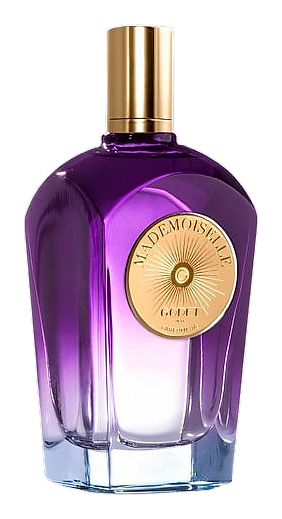
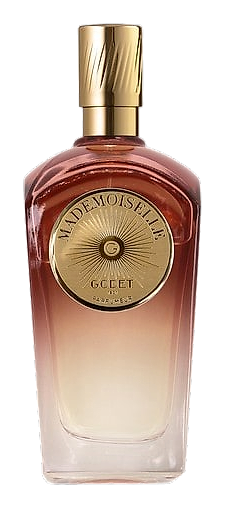
The name says everything and nothing. 'Mademoiselle' is not a proper noun here, it's an address, a recognition of a particular kind of youth. Godet's house copy describes it as an ode to childhood, which sounds sentimental until you smell it and realize the sentiment is earned through restraint, not sweetness. Sonia Godet built this fragrance around softness as a deliberate choice, not powder rooms and grandmothers, but the kind of quiet that enters a room and doesn't need to prove anything. The 2017 launch came without fanfare, which suited the scent's nature. It was never going to shout.
What makes Mademoiselle Godet interesting is not its structure but its materials. The eglantine rose, wild briar rose, Rosa canina, carries a fruitiness and slight tartness that distinguishes it from heavier Damask roses. Combined with peony's lush, almost creamy petals and cyclamen's cool, slightly green florality, the heart achieves a texture that reads as silk rather than velvet. The iris adds the powdery signature that grounds the whole composition, preventing it from floating into pure sweetness. It's a classic French floral construction, which means it prioritizes elegance over impact.
The evolution
The opening announces peony and rose with genuine softness, no citrus, no spice to sharpen the entry. Within minutes the iris arrives, not as contrast but as a settling. The cyclamen provides a cool green undercurrent that keeps the florals from feeling static. By the second hour, the eglantine's briar quality emerges as a slight tartness, a reminder that roses grow on thorned bushes. The drydown belongs entirely to sandalwood, creamy, warm, intimate. On fabric, it projects modestly. On skin, expect six to eight hours of quiet presence. The next morning, trace amounts linger where you sprayed.
Cultural impact
Mademoiselle Godet occupies a distinctive position within the niche fragrance landscape as an independent French house founded in 1901 that has consistently resisted acquisition pressure. The Godet family maintains handcrafted production in Saint-Paul-de-Vence, a rarity in an industry increasingly consolidated under luxury conglomerates. The 2017 launch arrived without celebrity endorsement or massive advertising budgets, relying instead on word-of-mouth among collectors seeking alternatives to mainstream offerings. This approach has cultivated a devoted following who value artistic independence over market saturation.
The House
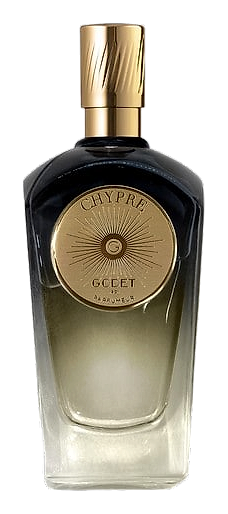
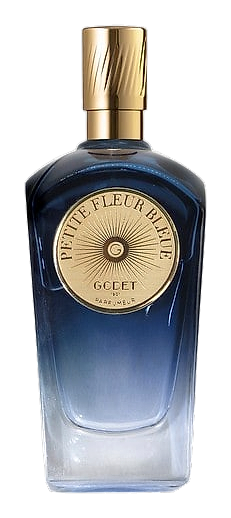
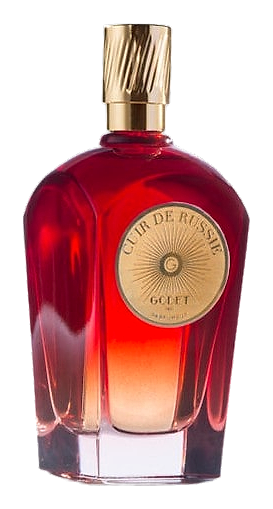
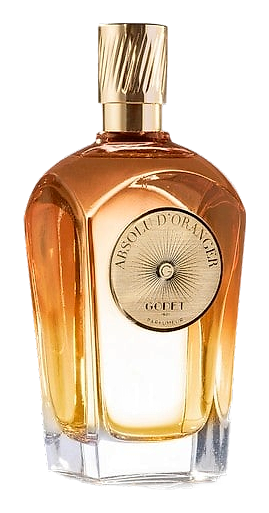
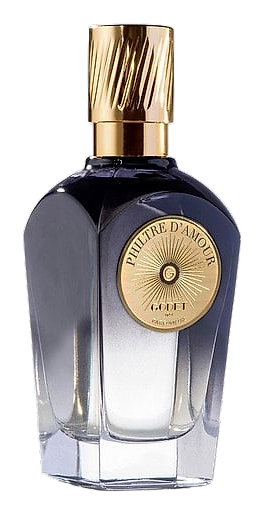
GodetParfums Godet is a French perfume house that blends more than a century of artisanal know‑how with a contemporary sensibility. Founded in the early 1900s, the brand continues to create limited‑edition scents that draw on rare natural essences and classic French perfume techniques. Its catalogue, which now exceeds twenty fragrances, includes recent releases such as Mademoiselle (2024) and Philtre d’amour (2021) alongside historic staples like Cuir de Russie (2017). Godet’s identity rests on handcrafted bottles, a dedication to natural ingredients, and a lineage that stretches from cognac merchants of the 16th century to today’s fourth‑generation perfumer, Sonia Godet.
The Creator
Sonia GodetSonia favors natural materials of exceptional provenance, often sourcing from the Mediterranean basin and drawing on the botanical wealth surrounding her Saint-Paul de Vence atelier. Her signature approach involves layering accords with precision, allowing each material to bre…