






















Heritage
A house, in its own words
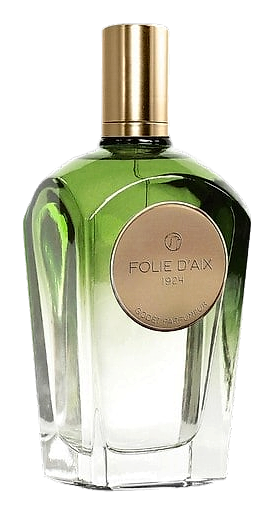
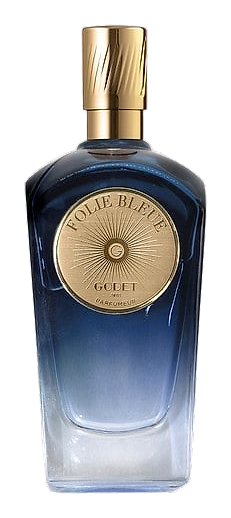
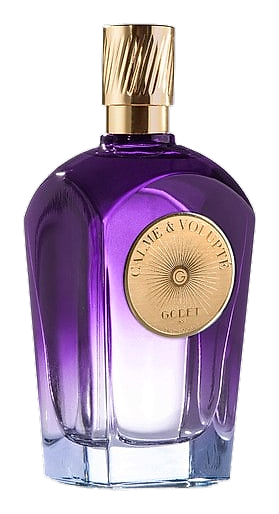
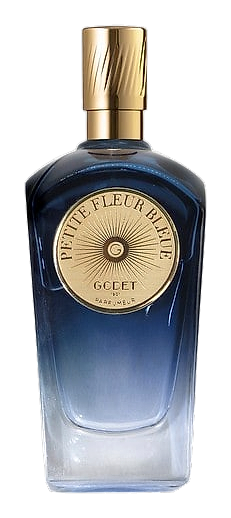
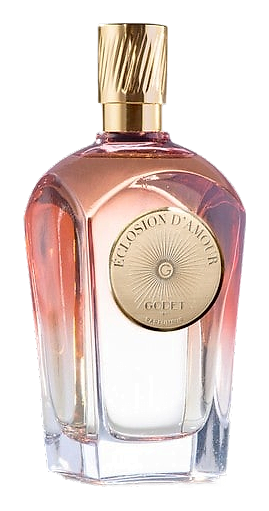
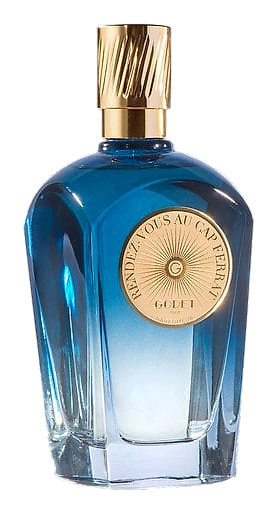
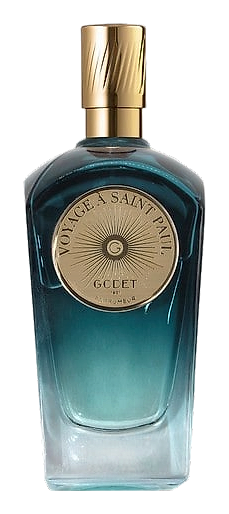
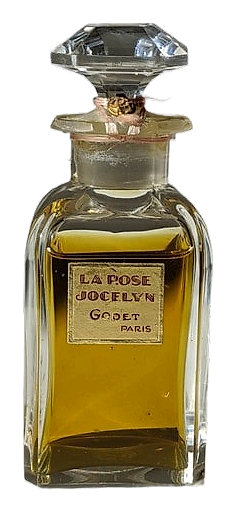
The Godet name first appeared in the 1500s, when the family earned a reputation for fine cognacs and exquisitely crafted bottles. In 1901, Julien‑Joseph Godet, after studying perfumery in Grasse – the historic heart of French fragrance – established Maison Godet in Paris. Two years later, the house opened its first boutique on rue Rivoli, signalling a shift from spirits to scent. By 1908 the brand was already aligning its creations with the visual arts, dedicating many fragrances to family friends who were painters, sculptors, and writers. The early decades saw Godet supplying bespoke perfumes to Parisian salons, while maintaining a modest production scale that emphasized hand‑mixing and natural raw materials. After World War II, the house survived the market upheavals that closed many small perfumeries, largely thanks to its commitment to quality and the loyalty of a niche clientele. In the early 21st century, Sonia Godet, great‑granddaughter of the founder, revived the original workshop in Saint‑Paul‑de‑Vence. She re‑opened the historic Rue Grande boutique and re‑established the brand’s focus on handcrafted, ingredient‑driven scents. Under her direction, Godet has introduced contemporary compositions such as Folie Bleue and the 2024 launch Mademoiselle, while preserving classic lines like Chypre and Empire des Sens. The house now operates as a family‑run atelier, with each fragrance formulated in small batches and released in limited quantities, echoing the intimate, artisanal spirit that Julien‑Joseph envisioned over a hundred years ago. Godet’s creative vision rests on three pillars: respect for nature, reverence for craft, and dialogue with the arts. The house sources raw materials from regions known for biodiversity – Bulgarian rose, Moroccan ambergris substitutes, and Tuscan lavender – and insists on transparent supply chains that support sustainable farming. Rather than chasing fleeting trends, Godet seeks to capture the timeless character of each ingredient, allowing its innate personality to shape the composition. The brand also treats perfumery as a form of artistic collaboration; many scents are inspired by paintings, poems, or the personal stories of the artists the family has long befriended. This interdisciplinary approach encourages perfumers to think beyond olfactory structures and consider narrative, colour, and texture. Sonia Godet often speaks of “listening to the heart of the raw material,” a philosophy that translates into fragrances that feel both intimate and expansive. The house rejects mass‑production in favour of small‑batch releases, believing that scarcity preserves the emotional intensity of each scent. In practice, this means a fragrance may be available for only a few years before the formula is retired, encouraging collectors to experience the perfume as a moment in time rather than a permanent commodity.