
The Story
Why it exists.
The beginning
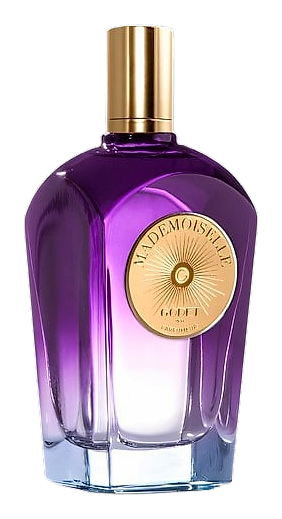
Sonia Godet built Mademoiselle from a childhood memory. She remembered the smell of her mother's lipstick, floral and powdery, with a waxy undertone that only registers when you're close enough to kiss. That specific moment, that sensory archive, became the brief. The result is a fragrance that honours both innocence and femininity without choosing between them. Mademoiselle (2024) is powdery-pretty at its core, opening on jasmine and lychee before settling into a heart of violet, iris, and rose. Rice powder and vanilla ground the drydown, warm, intimate, and impossible to ignore.
The structure here is classic: bright top, powdery heart, warm base. But the execution is modern. Lychee gives the opening a tropical lift that keeps jasmine from feeling heavy. The heart's violet and iris create that unmistakable powder character, think face powder, not potpourri. And the base of rice powder and vanilla is a quiet move: less blockbuster vanilla, more skin-warm. It's the kind of composition that rewards someone who knows what they're smelling for.
The evolution
The opening arrives fruity and dewy, jasmine and lychee bright against the skin, with a slight tartness from the lychee that keeps things lively. This phase lasts about an hour before the jasmine recedes and the heart takes over. The middle is where Mademoiselle earns its name. Violet, iris, rose, and raspberry collapse into a powdery floral that feels familiar, like a memory you can't quite place. The raspberry prevents sweetness from taking over; the iris adds a quiet sophistication that elevates the whole thing. By the third hour, rice powder and vanilla arrive. The drydown is warm, intimate, and stays close to the skin. This is the part people remember, the softness that lingers after you've left the room.
Cultural impact
Mademoiselle arrives in a landscape crowded with loud florals. Its positioning is deliberate: femininity without performance. The powdery floral structure places it alongside Givenchy's Ysatis and Guerlain's Liu, but the lychee-peony opening and rice powder base set it apart. Wearers describe it as the fragrance of someone who walks into a room and doesn't need to announce themselves. It suits the collector who prefers depth to display, the same buyer Godet has courted since 1901.