The Story
Why it exists.
The beginning
The original Divinité came from Julien-Joseph Godet in 1924. Just a fragrance that did one thing with conviction: placed tuberose at the center and let it speak. The tuberose in that original composition carried a heady, almost narcotic sweetness, its creamy white petals delivering that unmistakable indolic punch that can tip from elegant to aggressive depending on how it's handled. Godet threaded it with green nuances and a subtle animalic warmth that kept the flower from reading as purely decorative, creating something that felt both lush and grounded. A century later, Sonia Godet returned to the original formula. The 2017 release of Divinité is, in that sense, not a reinterpretation.
What makes Divinité structurally unusual is its progression. Most white floral fragrances lead with brightness and retreat into softness, the tuberose announces itself, then fades as the base arrives. Here, the tropical top notes (peach, pineapple, coconut blossom) arrive first, lush and almost syrupy, but they don't compete with the heart. They prepare it. They warm the skin so that when tuberose and gardenia arrive, they arrive into something already receptive, already intimate. The vanilla and patchouli aren't simply a base to land in, they're the structure that keeps the florals from flying apart into pure sweetness. The patchouli brings an earthy undertone that keeps everything grounded.
The evolution
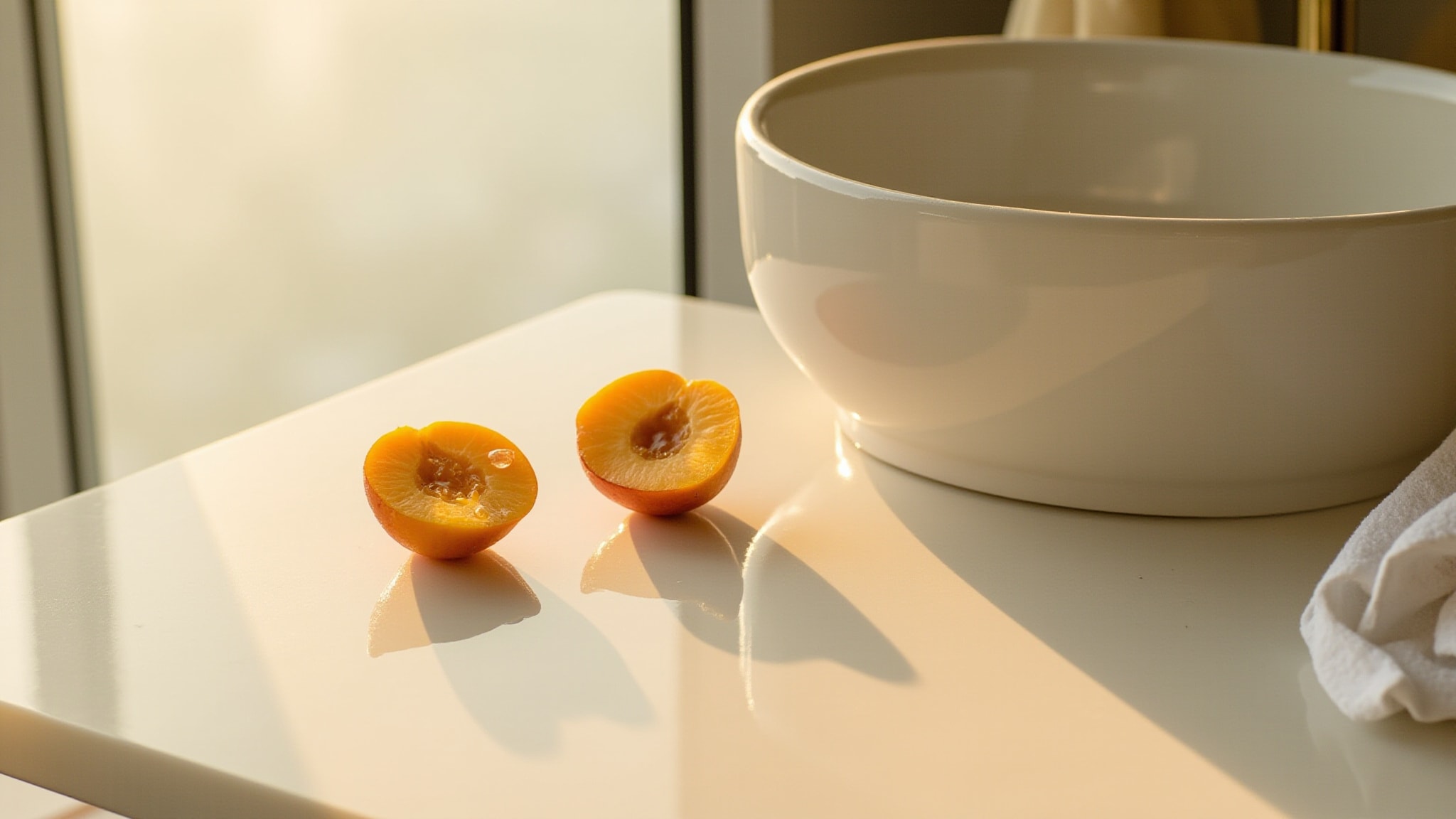
The first twenty minutes are pure tropical fruit, peach and pineapple, bright and slightly sweet, the kind of opening that makes you check the bottle to confirm what you're wearing. The peach arrives first, soft and ripe, almost personified in its vulnerability, while the pineapple cuts through with a tangy vibrancy that keeps the whole opening from becoming saccharine. Together they create an effervescent quality, a burst of summer fruit that feels both nostalgic and immediate. Then the florals begin their takeover. Tuberose arrives first, gardenia a step behind, and together they push the fruit aside without erasing it entirely. The sweetness doesn't disappear, it folds into the florals, becomes part of them.
Cultural impact
Divinité sits in the Godet catalogue as one of the house's more assertive offerings, a white floral that doesn't retreat into subtlety. The fragrance commands attention through its unabashed use of tuberose, creating a scent experience that refuses to fade into the background. Wearers who connect with it tend to appreciate bold floral compositions that make a statement without relying on aggressive sillage or synthetic permanence. The fragrance represents a particular vision of elegance that prioritizes presence over politeness.