Coconut Blossom
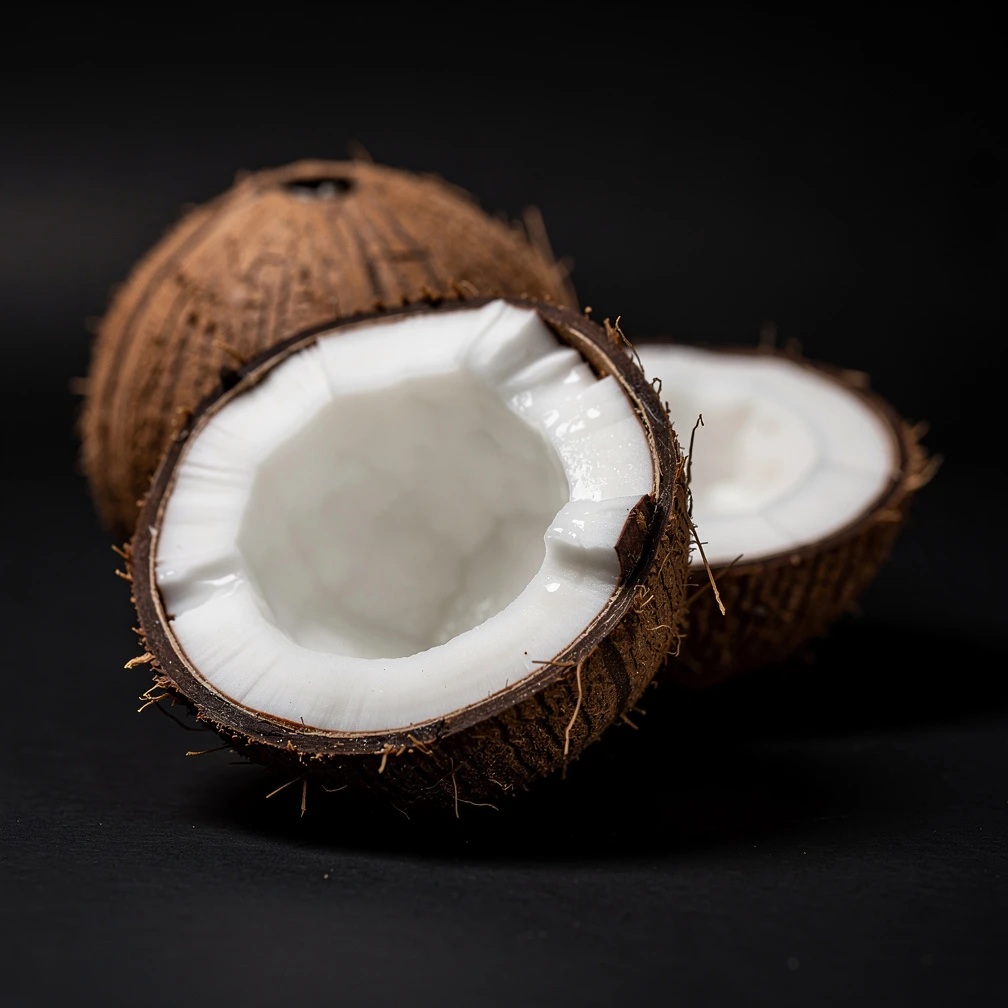
Coconut Blossom is a warm, lactonic note that captures the sweet creaminess of tropical coconut with a subtle floral lift from the palm blossom. In perfumery, it evokes sun-drenched coastlines and adds exotic warmth to compositions, particularly in gourmand and tropical fragrance families where it functions as both a heart and base note element.
Character
How it smells
Sun-warmed tropics in a single blossom
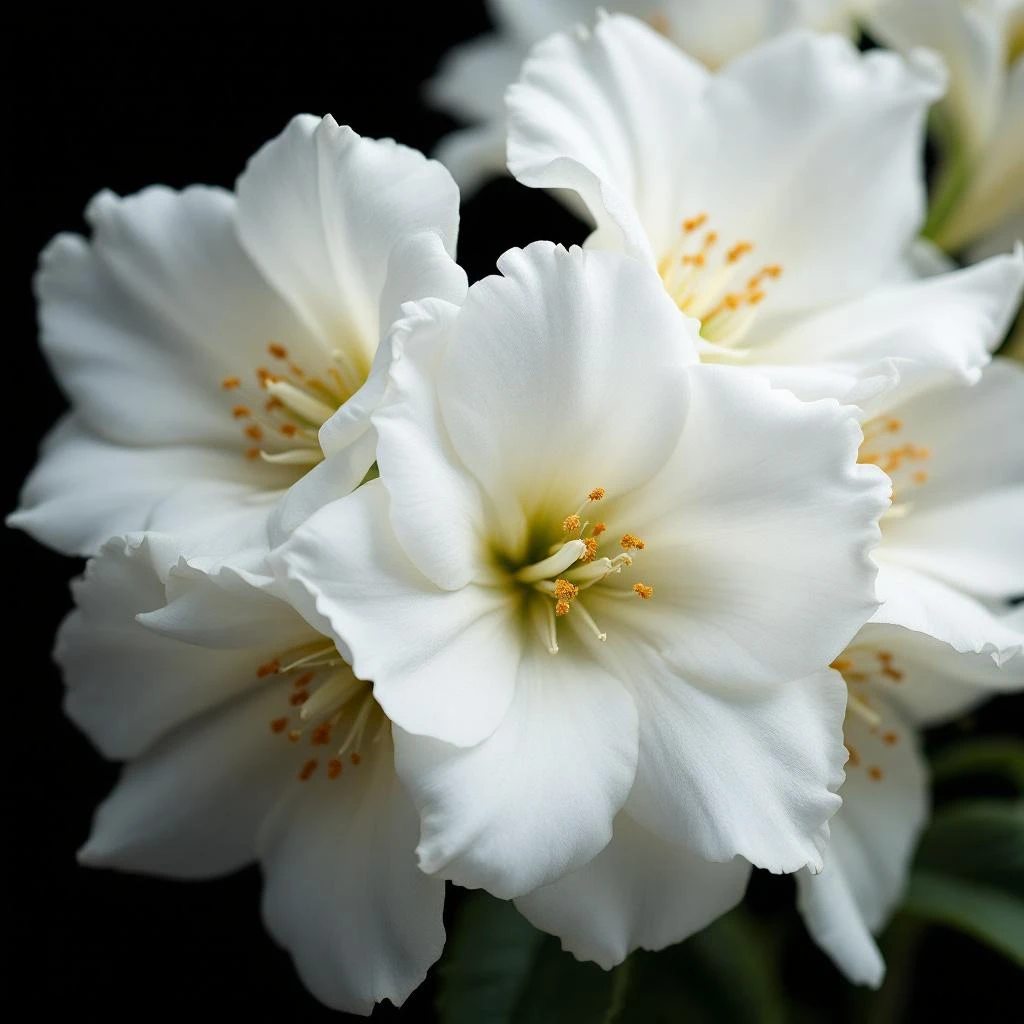
A single coconut palm produces both male and female flowers on the same inflorescence, and the unopened blossom spathe emits a sweet, slightly yeasty fragrance that perfumers describe as distinctly different from coconut meat.



Origin
Philippines
The coconut palm originated in the Indo-Pacific region, with archaeological evidence suggesting cultivation began in Southeast Asia and Oceania several thousand years ago. Polynesian voyagers carried coconut palms across the Pacific, making the tree one of the most widely distributed fruit-bearing plants in tropical regions worldwide. The palm held profound cultural significance in these societies, with every part of the tree utilized for food, construction, medicine, and ritual purposes.
Coconut as a perfumery ingredient emerged primarily in the twentieth century as synthetic aroma chemistry advanced. The commercial synthesis of gamma-decalactone in the 1960s allowed perfumers to capture coconut's characteristic scent without relying on expensive natural extracts. Natural coconut absolute remained a niche ingredient used in high-end fine fragrances, while synthetic versions enabled the widespread use of coconut notes in consumer products. The 1970s tropical fragrance trend, accelerated by perfume culture's romance with exotic destinations, cemented coconut's place as a recognizable perfumery note that continues to appear in contemporary fragrances.
Wears it best
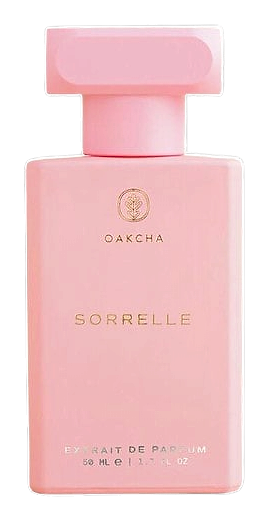
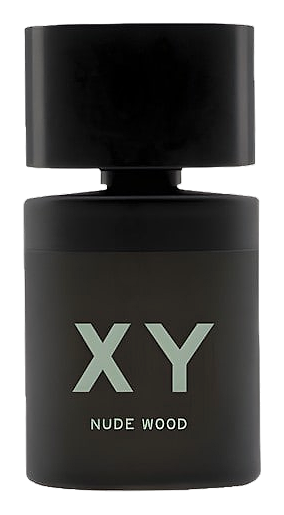
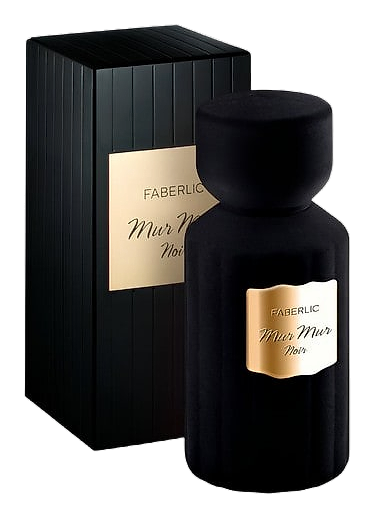
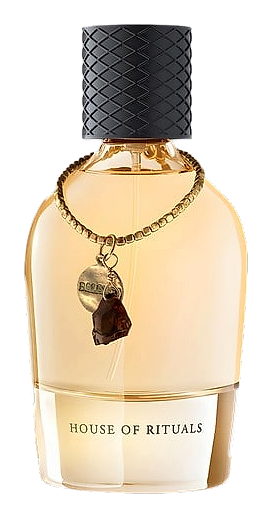
Fragrances featuring Coconut Blossom


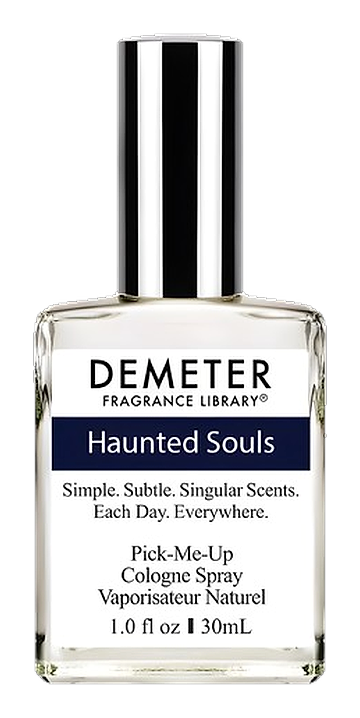
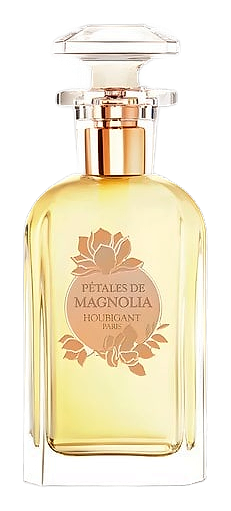
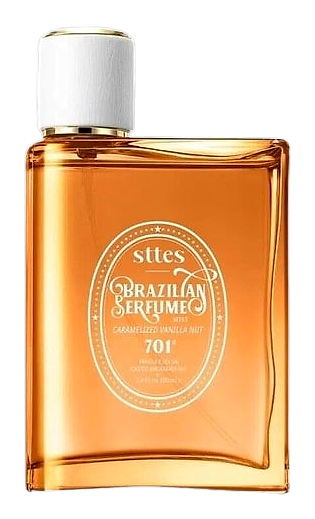
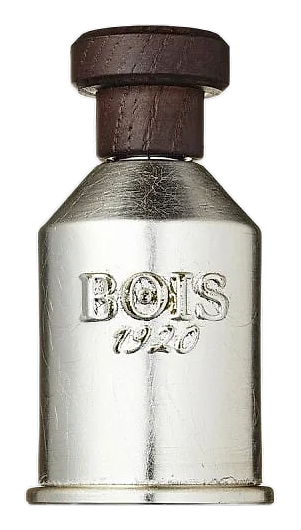

Brands
Brands known for Coconut Blossom
Good to know
Questions, answered
The essentials on Coconut Blossom in perfumery: how it smells, where it comes from, and how it behaves on skin.
What does Coconut Blossom smell like in perfume?
Coconut Blossom smells creamy, sweet, and lactonic with a warm tropical quality. The blossom aspect adds subtle floral nuances that distinguish it from plain coconut meat extracts. In compositions, it reads as sun-warmed, slightly toasted, and intimately familiar.
Why is Coconut Blossom used in perfumery?
Coconut Blossom adds warmth, exoticism, and comfort to fragrance compositions. It works as a bridge note, helping gourmand ingredients connect with florals or marine elements. Perfumers use it at concentrations between 1-15% depending on the desired effect.
Is Coconut Blossom in perfume natural or synthetic?
Coconut Blossom exists in both natural and synthetic forms. Natural coconut absolute comes from solvent extraction of dried coconut meat. Synthetically, gamma-decalactone replicates the primary coconut odorant at lower cost. Most commercial fragrances use synthetic versions for consistency.
What famous perfumes contain Coconut Blossom?
Coconut notes appear in numerous designer fragrances including Chanel Coco Mademoiselle, which uses coconut as part of its oriental structure, and Tom Ford Coconut Sunflower, which centers the note. Sol de Janeiro's Brazilian Bum Bum Cream popularized coconut in the body care segment.
Is Coconut Blossom a top note, heart note, or base note?
Coconut Blossom functions primarily as a base note due to its creamy, persistent character. It can also serve as a heart note in tropical or gourmand compositions where the coconut character takes center stage rather than supporting other ingredients.
What notes pair well with Coconut Blossom in perfume?
Coconut Blossom pairs excellently with vanilla, sandalwood, and other creamy woods. It combines naturally with florals like gardenia, frangipani, and jasmine in tropical accords. Marine notes and citrus create pleasant contrasts in summer fragrances.
Where does Coconut Blossom come from?
Coconut Blossom originates from the coconut palm (Cocos nucifera), which thrives in tropical coastal regions. The Philippines, Indonesia, and Thailand produce over 60% of global coconut supply. The actual blossom emits a separate sweet fragrance from the fruit's meat.
Is Coconut Blossom used in men's or women's fragrances?
Coconut Blossom appears in both men's and women's fragrances but serves different functions. In women's fragrances, it supports gourmand and floral themes. In men's fragrances, it appears in tropical fougeres and fresh aquatic compositions as an unexpected warm element.