
The Story
Why it exists.
The beginning
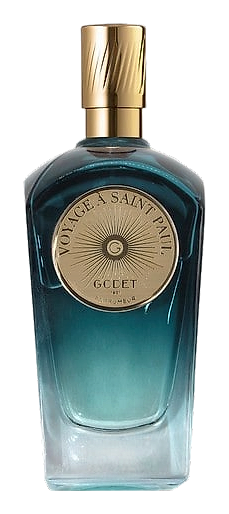
Sonia Godet composed Voyage à Saint Paul in 2017, and the fragrance is anchored in the perched village of Saint-Paul-de-Vence, described as the village of designer Sonia Godet. That setting lends the composition its character: a Mediterranean citrus profile built on bergamot, lime, and tangerine, with neroli as the sole heart and cedar carrying the close. The result reads less like a postcard and more like the memory of climbing up through narrow streets when the heat has just lifted and the fruit stalls are still open. The fragrance bottles a specific sense of place, and the village identity gives every spritz a clear point of view.
What makes the composition work is restraint. Three citrus, one floral, one wood. The structure is tight and intentional, nothing wasted. The neroli carries the unusual weight of being the only heart note, and Godet treats it like a bridge rather than a feature, letting the orange flower connect the bright opening to the cedar close without ever becoming soapy or heavy. The citrus isn't generic cologne brightness either. Together the three fruits layer rather than compete, and the blend reads as a specific place rather than a category.
The evolution
The first ten minutes are almost violent in their freshness. Bergamot, lime, and tangerine hit the skin like they've been chilled, and the neroli underneath them is barely a suggestion. By the twenty-minute mark the citrus begins to sweeten slightly as the neroli climbs forward, and the whole composition starts to feel less like a splash and more like a place you're walking through. An hour in, the cedar arrives quietly, dry and almost pencil-like, and it gives the neroli something to lean against. The citrus never fully disappears, but it pulls back into a softer rind-and-zest impression that lingers. The transition from bright to warm happens almost without notice, the neroli softening the edges of the citrus while the cedar grounds everything beneath it.
Cultural impact
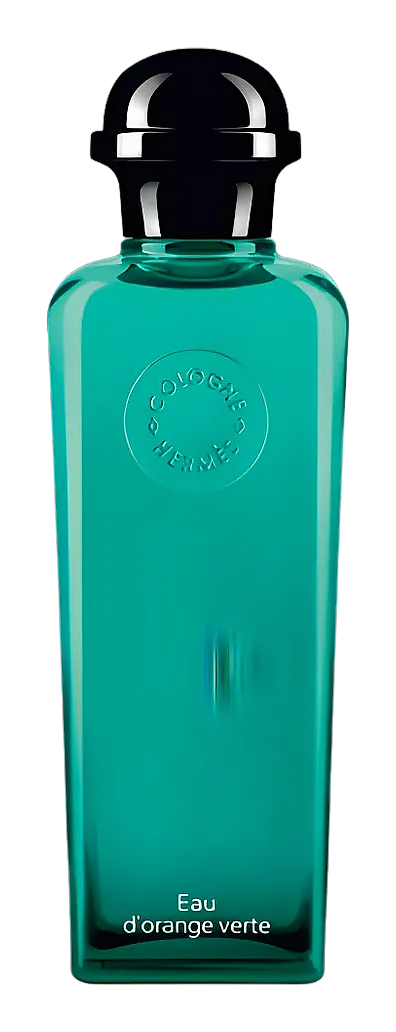
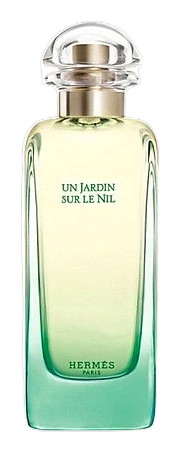
Voyage à Saint Paul belongs to the wider world of Mediterranean-leaning citrus fragrances, a category that includes established references like Hermès Eau d'Orange Verte. It offers a clean, bright profile that suits the warmer months, and its straightforward structure makes it appealing for anyone who wants a clear, uncomplicated scent on a hot day. The composition is honest in what it offers: citrus, neroli, cedar, and not much else. It wears well on anyone who treats fragrance as a personal ritual rather than a statement, and the restraint of the formula lets it sit comfortably in a rotation without competing for attention.