The Story
Why it exists.
The beginning
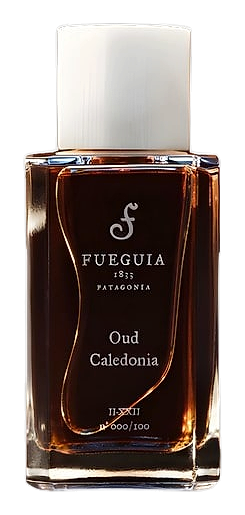
Oud Caledonia takes its name from New Caledonia, the archipelago in the South Pacific where founder and perfumer Julian Bedel conducted one of his botanical expeditions. What he found there wasn't typical oud terrain. Instead, he found local woods that became the raw material for something uncommon. Those timbers were fermented under the brand's own process, coaxing a molecule called agarospirol from botanical sources that had never been used in perfumery before. Launched in 2022 as part of the El Mundo de los Ouds collection, the result was a quiet novelty. Oud, yes, but ocean-drenched and almost mineral.
What makes Oud Caledonia unusual isn't just the source material, it's the molecule at its center. Agarospirol is the compound Bedel extracted through his fermentation of New Caledonian woods, and here it takes a starring role rather than fading into the background. The salty Pacific undertones that give the fragrance its coastal character arrive through the brand's own extraction methods, building oceanic depth into the composition without the obvious shortcuts.
The evolution
On skin, the opening reads almost like sea spray hitting fabric. Briny, cool, faintly mineral, with a green floral haze that doesn't announce itself so much as drift past. The first impressions are light and aqueous, almost weightless, the salt registering before any wood makes itself known. As the hours pass, the musk settles in, warming the salt into something more tactile, closer to skin than sea. The oud arrives slowly, not as smoke or leather, but as a damp, woody undertone that seems to rise from below the other notes rather than sit among them. Eventually the composition consolidates into a single impression. Salt and oud become one substance, and the florals recede into a powdery softness that smells almost like clean laundry left to dry in ocean air. The drydown is where this one earns its reputation.
Cultural impact
Oud Caledonia sits in the El Mundo de los Ouds collection, a series that explores oud outside its traditional contexts. The fragrance approaches oud through Pacific woods and salt rather than the smoky, resinous profiles most wearers associate with the material. That unfamiliarity is built into the composition from the start, briny, mineral, barely smoky, closer to a shoreline than a temple. The agarospirol at its center gives the wood a clarity that feels removed from convention, and the florals and musk around it only deepen that sense of remove.
The House
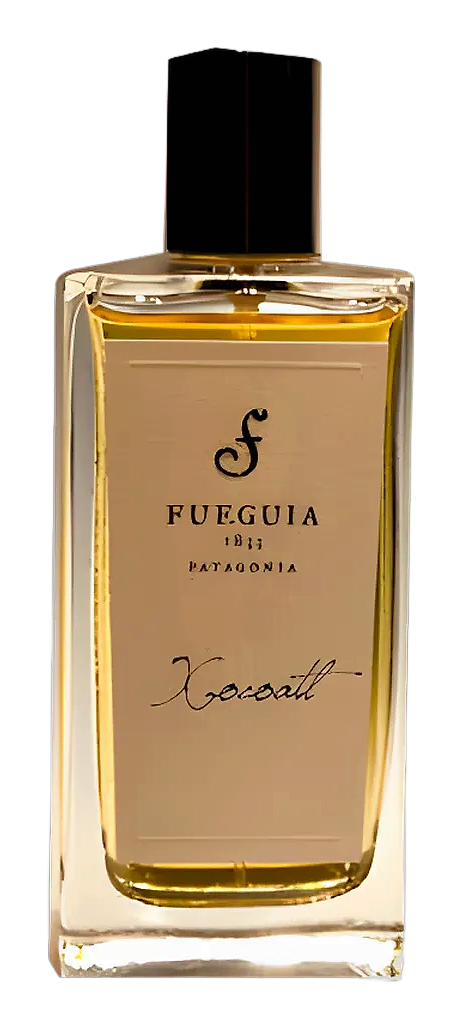
Fueguia 1833Fueguia 1833 is an Argentine fragrance house that creates limited‑edition scents rooted in the botanical heritage of Patagonia. Each perfume draws on medicinal plants harvested from the region’s wild landscapes, and the brand presents its creations as vintage‑style bottles that evoke a sense of travel and memory. The house operates a vertically integrated supply chain, growing, extracting and bottling its own raw materials, which allows it to maintain tight control over quality and environmental impact. Its collections, such as Rosa de los Vientos (2018) and Oud Jungle (2022), have attracted collectors who value authenticity and a narrative that links scent to place.
The Creator
Julian BedelJulian favors a palette that mixes rare South American botanicals with classic European absolutes. He often extracts essential oils from medicinal herbs such as catuaba, calafate and patagonian tea, then anchors them with ambergris, cedar and fine musks.