The Story
Why it exists.
The beginning
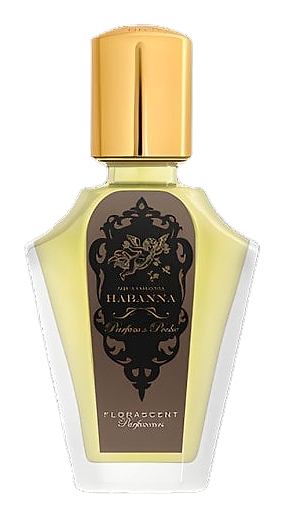
Habanna takes its name from Havana, the Cuban capital whose cigar lounges and colonial architecture have shaped Western ideas of masculine elegance for generations. The composition lives up to it without resorting to costume. Florascent is a German house that has cultivated a catalogue of natural-leaning compositions, and Habanna sits within its Classic Collection. The scent is built around tobacco: warm, spiced, sweetened just enough to feel like a ritual rather than a vice. The curaçao in the heart is the wink, that bitter orange liqueur note, the suggestion of a drink poured alongside the smoke. There is a quiet confidence to the way the notes are arranged, each one stepping forward at its appointed moment before retreating to let the next take the floor.
The choice to anchor a tobacco composition in curaçao rather than the more common rum or whisky sweetener is what sets Habanna apart. Curaçao brings a citrus brightness laced with bitter orange peel and a faint sweetness that reads like sugar cube dissolving at the bottom of a glass. Paired with palisander rosewood at the top, a wood that smells waxy, faintly floral, almost honeyed, the opening avoids the heavy leather note that dominates tobacco compositions more broadly.
The evolution
The first 30 minutes belong almost entirely to palisander rosewood. It reads warm, almost waxy, with a faint floral lift that keeps the opening from feeling like a wood shop. Rose hip adds a tart, slightly jammy edge, like the first sip of something sharp before it settles. By the 45-minute mark, tobacco takes command, and here is where Habanna earns its name. It is not the dirty, ash-on-skin tobacco of many niche fragrances; it is the leaf itself, cured and folded, with a sweetness that reads closer to dried fruit than smoke. Curaçao surfaces in flashes, a citrus jolt that cuts the density and keeps things from going morose. The transition into drydown happens around the 3-hour mark. Licorice appears first, its cool anise note threading through the tobacco like mint through cardamom, then tonka bean settles in for the long haul.
Cultural impact
Habanna sits comfortably among tobacco-forward niche fragrances, but where many lean into smoke and ash, it chooses cured leaf and orange liqueur instead. It wears well in cooler months and tends to attract a particular kind of attention: the kind from people who already wear niche and recognize what they're smelling, rather than from strangers asking what it is. The composition's avoidance of the more obvious tobacco tropes, the ash, the leather, the smoky bombast, gives it a different register than much of what's available in this corner of perfumery.