
The Story
Why it exists.
The beginning
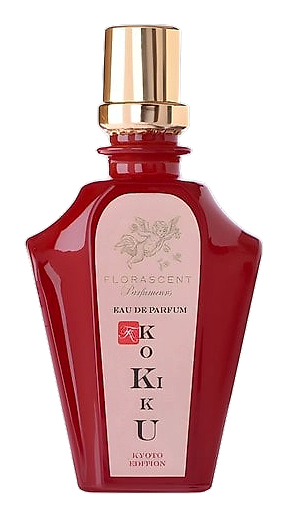
Kokiku arrived in 2013 as part of Florascent's Kyoto Edition, a small series built around Japanese botanicals and quiet composition. The series prizes restraint over statement, and this particular release sits comfortably within that sensibility. Where many citrus-florals chase brightness and stop there, Kokiku was designed to keep something alive underneath the first impression. It belongs to a house that treats perfumery as a conversation between raw material and the senses, and this particular bottle was tuned for wearers who want clarity without sterility, fruit without pastry. The opening greets you with a pairing that refuses to behave like a single citrus.
What makes the composition interesting is the tension between two citrus materials rarely paired together. Kumquat brings rind and pulp at once, slightly bitter, slightly tart, carrying the warmth of something grown in sun. Yuzu, the other top note, leans cooler, almost mineral, with a pithy edge that reads more like grapefruit than lemon. Stacking them means the opening never settles into a single citrus mood. The heart introduces litchi, a fruit with a translucent, water-soaked sweetness that hovers between rose and grape, set against freesia's clean pepper and tea rose's quieter femininity.
The evolution
The first 30 minutes are the loudest Kokiku ever gets. Kumquat and yuzu arrive with a tart, almost electric clarity, bright enough that you catch it on your wrist before you've lifted it. There's a momentary impression of green rind and cool water, the kind of opening that makes you check the bottle to see if something stronger is hiding underneath. As the citrus burns off, lychee steps forward, not as a tropical sweetness but as something softer, more like fruit tea cooling on a counter than fruit salad. Freesia adds a green, slightly peppery lift that keeps the heart from getting too round, and tea rose threads through without ever taking center stage. The transition into the base is where Kokiku shows its quiet hand. Green tea arrives not as a smoky or grassy note but as something aqueous and pale, the way brewed leaves smell once they've steeped and been set aside. On skin, the composition settles into a close, intimate drydown that reads more like clean fabric than perfume.
Cultural impact
The Kyoto Edition context places Kokiku within a specific lane of Japanese-inspired perfumery. Subtlety and seasonal clarity carry weight in this corner of the niche world, where restraint often matters more than projection. Kokiku appeals to wearers who gravitate toward freshness without harshness, fruit without sweetness overload, and floral notes that whisper rather than shout. The composition fits a mood of quiet refreshment, the kind of scent that suits warm weather, casual office wear, or moments when you want something present but unobtrusive.