The Story
Why it exists.
The beginning
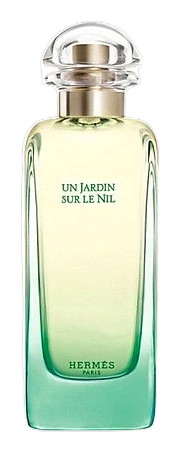
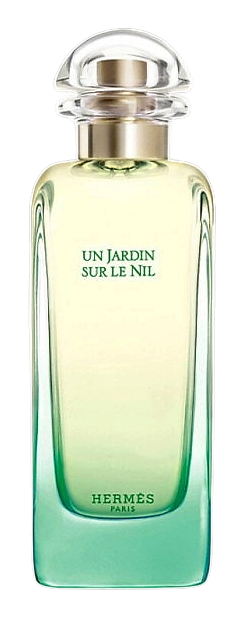
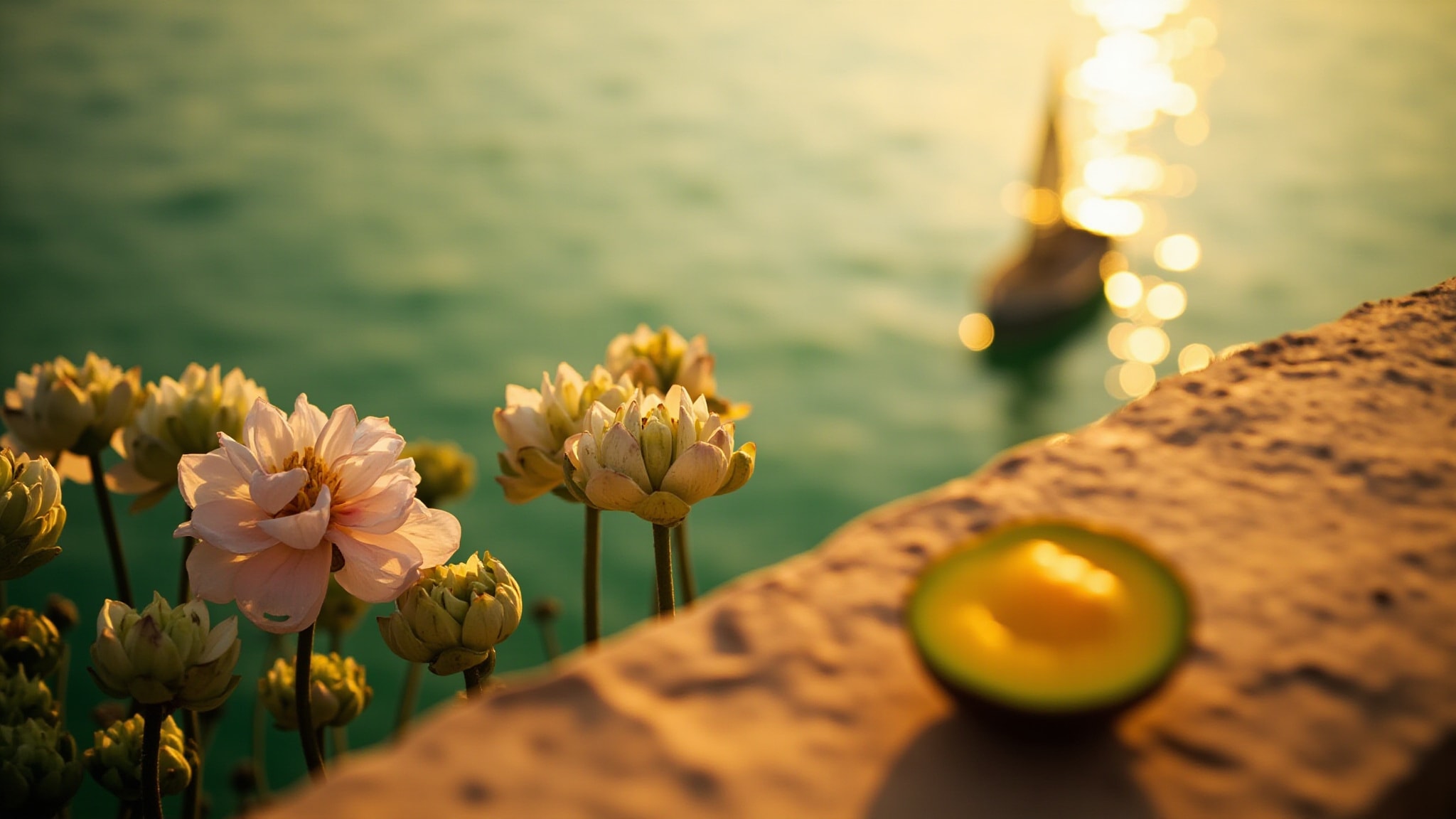
Un Jardin sur le Nil arrived in 2005, part of Hermès's Parfums-Jardins collection, a series of compositions built around gardens that exist somewhere specific rather than somewhere imagined. Jean-Claude Ellena composed it, and his fingerprints are everywhere in the result: the single dominant material surrounded by structural silence, the refusal to build a pyramid that announces itself note by note. The Nile reference is not abstract. The composition is meant to evoke the riverbanks near Aswan in southern Egypt, where cultivated gardens grow in the narrow strip of fertile land between water and desert. A working landscape, not a fantasy one.
What makes this composition interesting is how Ellena built it around green mango, a fruit most Western perfumers ignore because it doesn't deliver the obvious sweetness of ripe mango. Green mango is tart, slightly resinous, and carries a vegetal bitterness that reads more like leaf than fruit. Lotus adds the watery floral note without ever becoming a flower in the traditional sense, more of an impression of something growing at the edge of still water. Calamus, a root rarely featured in contemporary perfumery, brings an earthy, almost ginger-like warmth that anchors the brightness. The result is a composition built on restraint rather than abundance. Three or four materials doing the work of fifteen.
The evolution
On skin, Un Jardin sur le Nil moves through three distinct phases that don't blend into each other so much as replace each other in sequence. The opening is sharp: green mango arrives almost sour, with a green bite that reads more like biting into unripe fruit than smelling a perfume. There's a watery quality underneath, cool rather than aquatic, that suggests irrigation water on stone. The first fifteen minutes are the most assertive the scent will ever be. By the half-hour mark, the sharpness recedes. Lotus takes over, but gently, as a soft floral that doesn't push toward sweetness so much as toward stillness. The calamus arrives quietly here, warming the cool water into something more earthbound, like walking from a riverside path onto dry ground. The middle phase holds for two to three hours, depending on skin and weather. Then the drydown settles into frankincense and sycamore, the two materials that carry the composition's quiet base. The frankincense here is more about texture than smoke, a soft resinous hum rather than incense billowing from a temple.
Cultural impact
Un Jardin sur le Nil belongs to the Parfums-Jardins series, a collection organized around the idea that a fragrance can be built from a specific place rather than an abstract floral or oriental concept. That place-based approach gives the scent a recognizable identity without resorting to heavy sweetness or the synthetic brightness common in so-called fresh fragrances. It's the kind of composition that appeals to people who find most fresh scents too sweet or too sharp. The green and water-adjacent materials read as cultivated rather than wild, and the drydown has a quiet warmth that keeps it grounded.