The Story
Why it exists.
The beginning
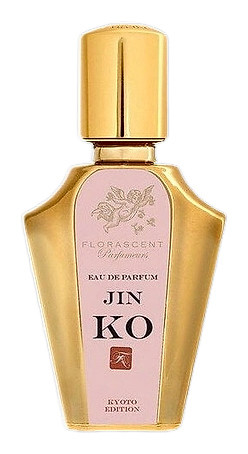
Florascent, founded in 1991 in Bad Soden, Germany, crafts natural-focused perfumes that favor quiet balance over flash. Jinko arrived in 2013 as the house's tribute to the eagle tree, a poetic reference to the resinous heartwood that yields oud. The house, rooted in Bad Soden's natural-focused ethos since 1991, pursued a scent that could capture oud's complexity without resorting to spectacle.
The note structure reflects a deliberate philosophy of balance. Florals and spice open gently, allowing wearers to settle into the composition before resinous and woody elements arrive. Oud, the focal point, is never rushed. Instead, it emerges gradually, earning its place through the quieter notes that precede it. This pacing makes Jinko ideal for wearers who appreciate fragrance as a process rather than an instant statement.
The evolution
The opening reveals rose and jasmine in confident bloom, cinnamon adding an immediate warmth that prevents any preciousness. As time passes, frankincense enters the narrative with its smoky, sacred character while clove contributes an aromatic heat. Rose persists through the heart, but cedarwood's presence becomes increasingly felt, adding dry structure. The drydown surrenders to oud's dark, complex personality while vetiver grounds everything with an earthy, root-like quality and cedarwood holds firm.
Cultural impact
Jinko by Florascent weaves a subtle narrative that echoes the historic trade routes of the Ottoman Empire, where Turkish rose was prized for its delicate fragrance and cinnamon traveled from distant lands to spice the courts. The perfume’s jasmine accords recall the gardens of Istanbul, a place where poetry and perfume have long intertwined. By blending these notes, Jinko honors centuries of cultural exchange, inviting wearers to experience a scent that feels both timeless and contemporary, resonating with the shared heritage of spice markets and floral gardens that have shaped regional identities across generations.