The Story
Why it exists.
The beginning
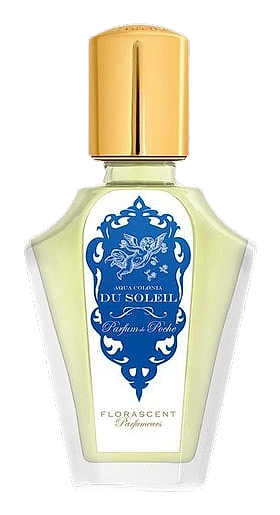
Roland Tentunian built Du Soleil around the maquis, the dense scrubland that carpets the hillsides of the Mediterranean where rosemary, sage, and rockrose grow shoulder to shoulder under punishing sun. The name says it: of the sun, from the sun. Tentunian's intent wasn't to romanticize a postcard. It was to bottle the exact moment a path through that scrubland opens up and the heat rolls over you in waves, green and sharp and resinous all at once. Released as part of Florascent's Aqua Colonia line, the composition sits within a catalog that has long prioritized natural ingredients and quiet, place-driven compositions over flash. The German house gave Tentunian room to work in that tradition, and Du Soleil reads like a love letter written by someone who actually walked the trail.
What makes the composition worth a second look is the tarragon-cypress-labdanum spine. Tarragon carries that anise-green bite you don't find in your typical herbal cologne; it's sharper, more savory, almost licorice-adjacent without crossing into sweetness. Labdanum, that dense resinous material long associated with sun-baked scrubland, ties the whole Mediterranean brief together, rendering sticky warmth into something you can wear. Italian myrtle and cedar anchor the drydown in something woody and slightly medicinal, keeping the composition from drifting into air freshener territory.
The evolution
The first thirty minutes are the loudest this fragrance ever gets. Sage and tarragon hit immediately, bright and almost cooling at first, before the heat of the sun they're referencing sets in. There's a moment, maybe twenty minutes in, where the green sharpens almost to the point of austerity, like chewing on a sprig straight from the garden. Then labdanum arrives and everything softens. Not sweet, never sweet, but resinous and warm, the kind of warmth that reads as skin temperature rather than temperature outside. Cypress threads through the middle phase with its dry, pencil-shaving character, giving structure to what would otherwise be a loose herbal cloud. By hour two or three, the composition has settled into its real voice: Italian myrtle and cedar, with the myrtle lending a slightly medicinal, eucalyptus-adjacent coolness that keeps the whole thing from going heavy.
Cultural impact
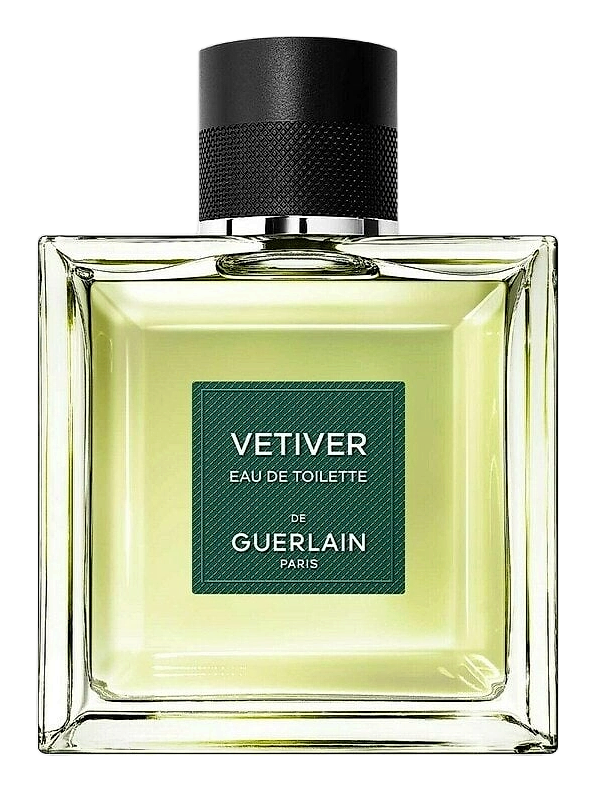
Du Soleil occupies a specific corner of the herbal-cologne tradition, the kind of Mediterranean composition that's honest about being herbal rather than trying to smell like a blue, abstract ocean. Fragrantica lists L'Artisan Parfumeur's Timbuktu and certain Guerlain vetiver compositions among frequently compared fragrances, which gives a sense of where it sits in the broader landscape of niche releases. What distinguishes it is its commitment to the maquis as a literal place rather than a generic Mediterranean mood board.