The Story
Why it exists.
The beginning
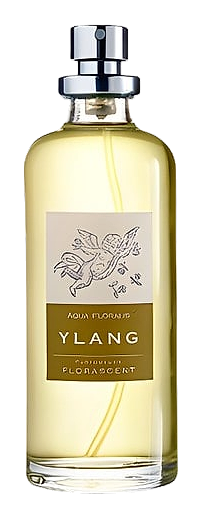
Ylang is part of Florascent's Aqua Floralis collection, a line built around the kind of floral clarity the house has chased for years. The composition rests on a Madagascan ylang-ylang note as its centerpiece, the kind of material that carries a buttery sweetness most synthetic approximations cannot reach. The name itself tells you everything about the intent. Ylang means 'flower of flowers' in Tagalog, and the perfumer leans into that weight rather than away from it. What surrounds the ylang matters as much as the ylang itself. African orange flower sits close by in the base, adding a sun-warmed depth that gives the whole composition its particular warmth. The two materials share a kinship, both floral, both carrying that slightly animalic undertone natural extraction tends to preserve.
What makes this composition interesting is how little it tries to hide. The animalic undertone running through the ylang and orange flower is not wrapped in musks or woods to soften it. It sits there, warm and slightly carnal, the way natural ylang-ylang actually smells before a perfumer decides to tame it. Tuberose adds cream and density to the middle, thickening the texture without losing the airy lift from the opening. White flowers at the top keep things from collapsing into something too dense too soon, giving the composition a translucent quality that lets it breathe.
The evolution
The first minutes are almost disorienting. White florals hit bright and slightly sharp, the way a cold room full of gardenias feels before your nose adjusts. Then the ylang-ylang arrives, and everything thickens. The buttery quality takes over, and suddenly the composition smells like an afternoon spent in a warm greenhouse, all humidity and ripening petals. As the hours pass, the tuberose and orange flower merge into something creamy and almost edible, with a faint green bitterness underneath that keeps the whole thing from tipping into dessert territory. The drydown reveals the animalic thread more clearly, that warm skin-and-silk quality that ylang and orange flower share when they have room to breathe. It stays intimate rather than projecting across the room, settling into a powdery-creamy trace that feels like a memory rather than a presence.
Cultural impact
Ylang sits in a crowded category, white florals, and doesn't pretend otherwise. What separates it from the rest of the shelf is how little it apologizes for what it is. The animalic thread stays unmuted, the composition stays small, and the wearer is left with something that smells like a real garden rather than a clean projection of one. People who find it tend to describe it as honest, as something that feels grown rather than manufactured. In a fragrance landscape saturated with louder claims, that honesty reads as its own kind of statement.