The Story
Why it exists.
The beginning
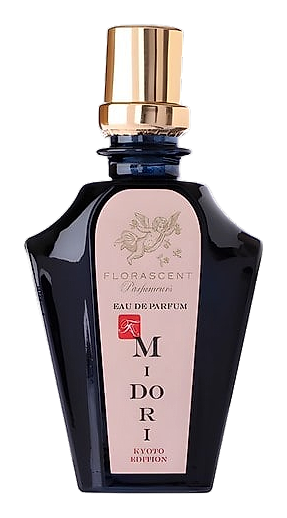
Midori arrived in 2013 as part of Florascent's Kyoto Edition, a collection the house shaped around Japanese landscapes and the quiet dramas of its cultural history. The name belongs to a figure from those tales: Midori, daughter of the Shogun, sketched in the edition's marketing as a subject of tender desire and covert encounters. Florascent built the fragrance around that frame, letting the floral density carry the weight of hidden feeling. It is warm, sweet, layered with tropical white florals and a caramel-tinged base, and it does not behave like a quiet study. It behaves like a confession. The opening is deceptively familiar: bergamot and mandarin blossom lift off the skin bright and almost sharp, the kind of citrus opening you'd expect from a far more restrained composition.
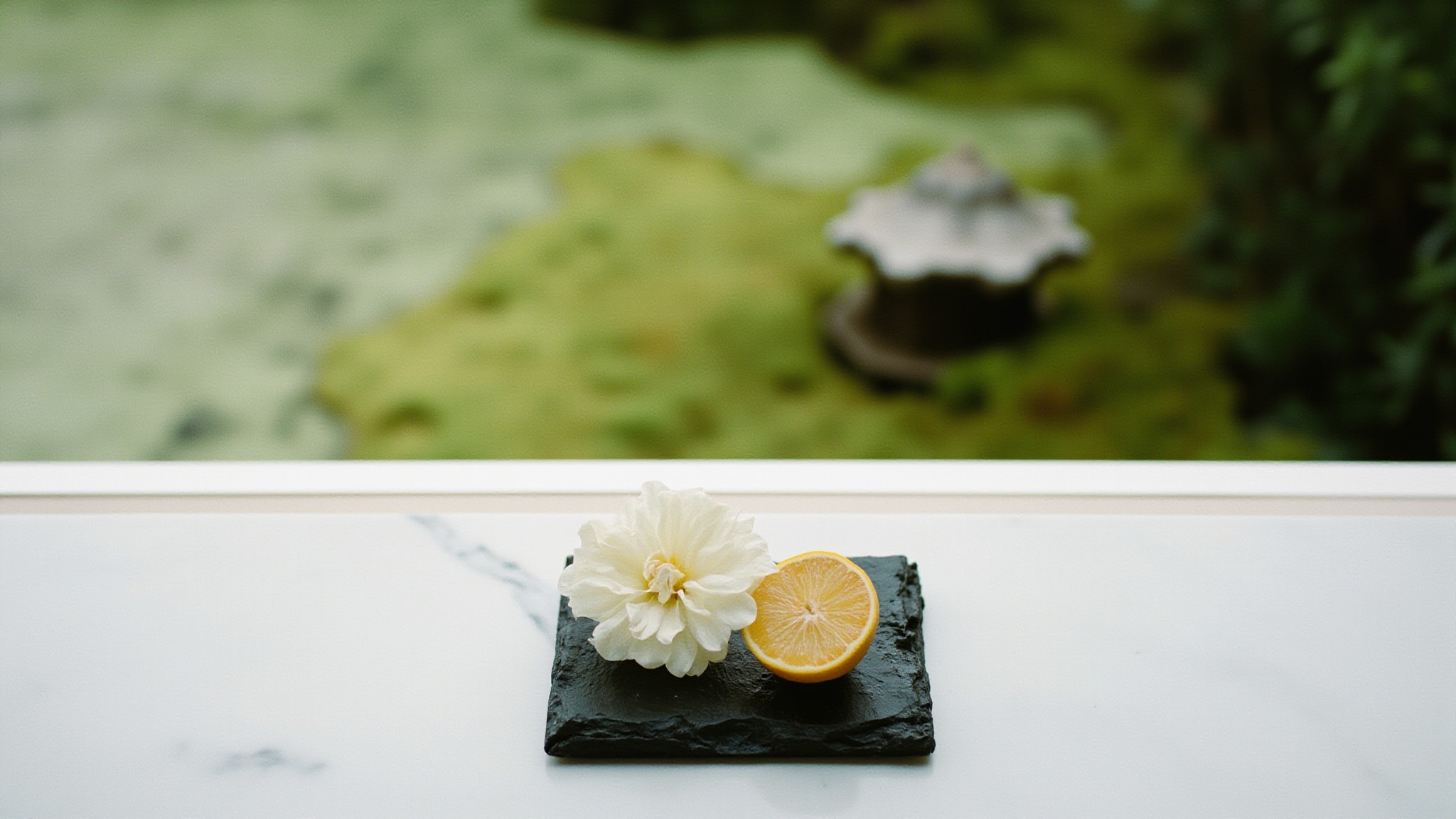
What makes Midori unusual within the Kyoto Edition is the sheer density of its floral heart. Five white-floral materials, including tuberose, frangipani, champaca, jasmine, and orange blossom, stack on top of each other rather than taking turns. The effect is dense and almost suffocating in the best possible way, more like being pressed into the center of a flowering bush than standing at a polite distance from a single stem. The caramel-sweet base accord, drawn from katsura leaf and rounded with cedar and vetiver, adds a warmth that pulls the whole composition toward something edible.
The evolution
The first ten minutes belong to citrus. Bergamot and mandarin blossom lift off the skin quickly, bright and almost sharp, setting up the expectation of something clean and European. Then the florals arrive, and the entire character shifts. Tuberose comes in creamy and heavy, joined almost immediately by frangipani's tropical sweetness and champaca's lush, almost ripe-fruit warmth. Jasmine threads through underneath, slightly indolic, giving the heart a shadow it needs to avoid feeling like dessert. Orange blossom ties the bouquet together with a honeyed lift that keeps it from collapsing under its own weight. After about two hours the caramel note emerges from the katsura leaf, toasted and round, and the composition pivots toward its drydown. Cedar and vetiver arrive last, dry and grounding, but they never fully take over.
Cultural impact
Midori belongs to Florascent's Kyoto Edition, a themed collection that uses Japanese cultural references as a starting point for composition. Within that collection, Midori is the warmest and most overtly tropical entry, a white floral with a caramel-sweet base that sets it apart from more austere or green-leaning Japanese-themed perfumery. The fragrance leans closer to dense white-floral compositions than to clean neroli or green-tea styles, with a sweetness that places it in conversation with gourmand-adjacent florals rather than with traditional Japanese-incense references.