Mandarin Blossom
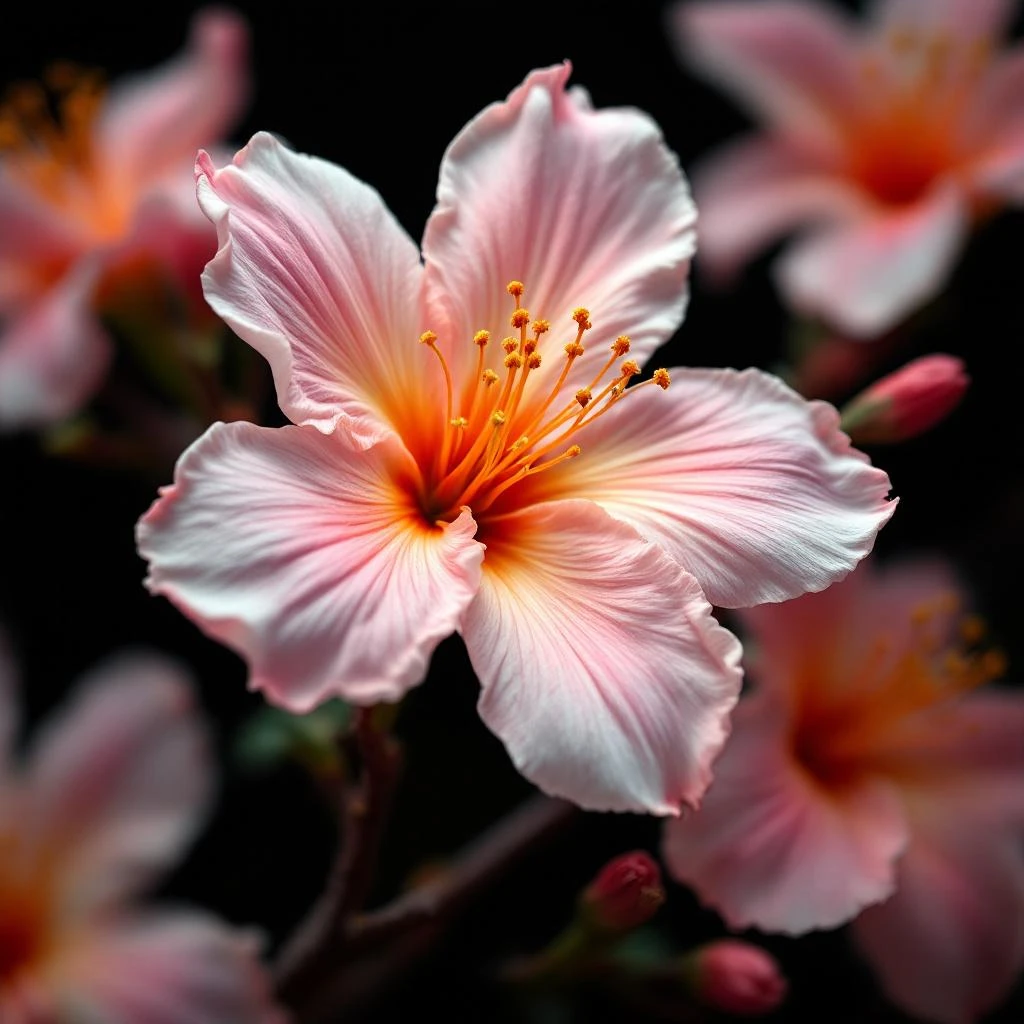
The delicate white flower of the mandarin tree carries a sharper, greener brightness than its orange blossom cousin, with citrus peel accents and a soft, almost waxy petal softness.
Character
How it smells
Sun-warmed citrus meets green petal whisper
Mandarin trees can flower and bear fruit simultaneously, meaning blossoms are picked from branches heavy with ripening fruit during harvest.







Origin
China
The mandarin tree arrived in Europe from southern China in the early 19th century, decades after its botanical relative the bitter orange had already secured a place in Mediterranean perfumery. By the mid-1800s, mandarin cultivation spread across Sicily and parts of southern France, where growers recognized that the small, intensely fragrant white flowers carried a distinct citrus lift absent from traditional neroli. Italian perfumers in particular began incorporating mandarin blossom into regional compositions during the late 19th century, valuing it for adding the fruity sparkle of the rind with the indolic depth of the flower.
The ingredient remained relatively niche until the 20th century, when citrus colognes and eau de toilette formats called for brighter top accords. Today, mandarin blossom features prominently in many compositions seeking a modern, luminous white-floral opening.
Wears it best
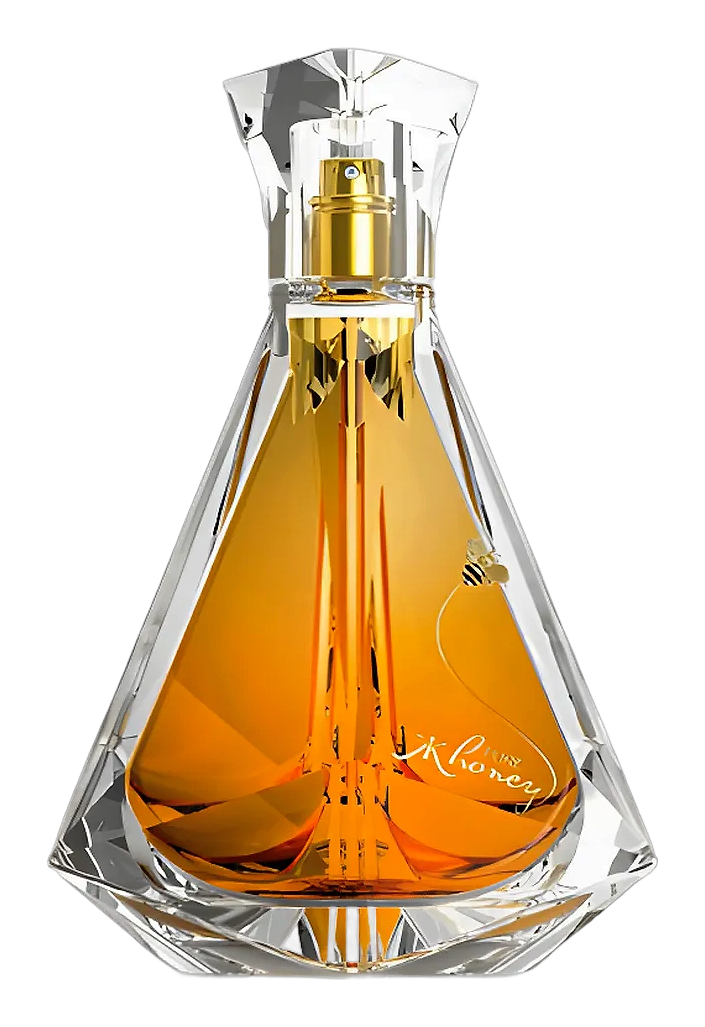
Fragrances featuring Mandarin Blossom
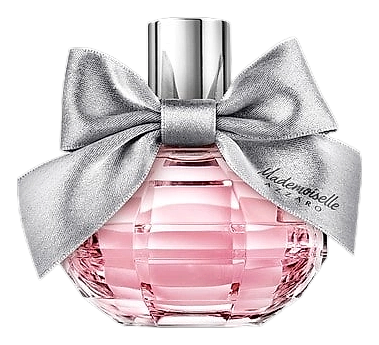

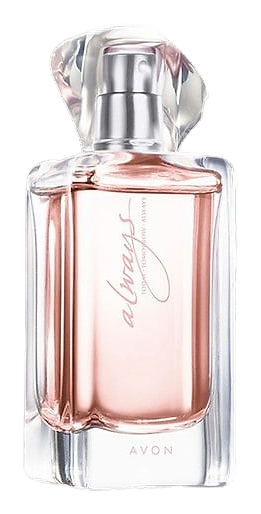
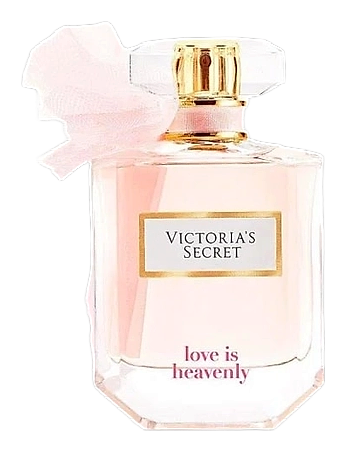
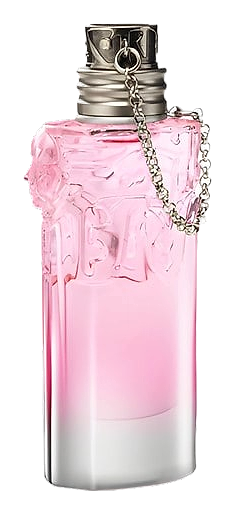
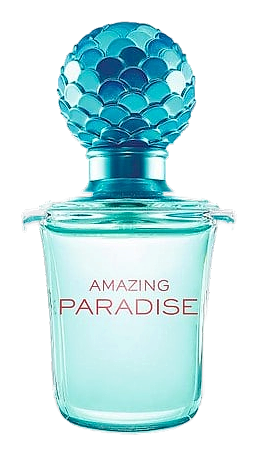
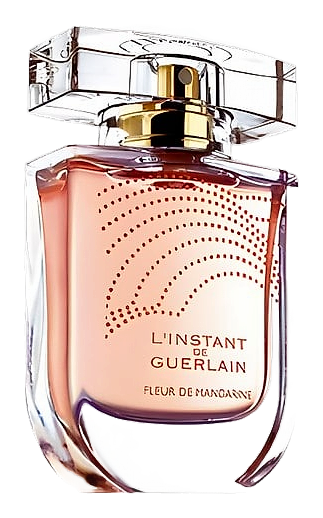
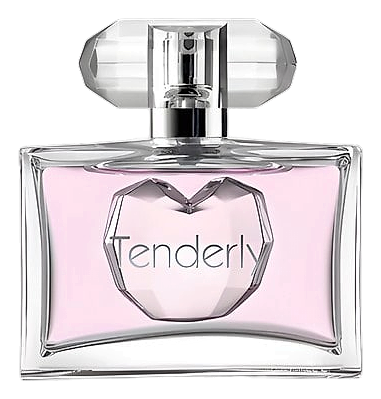
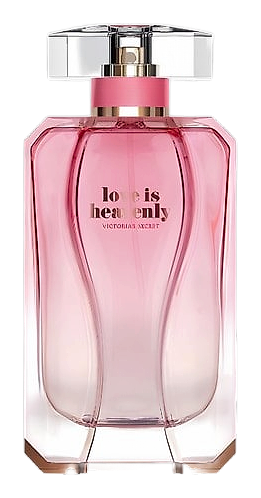
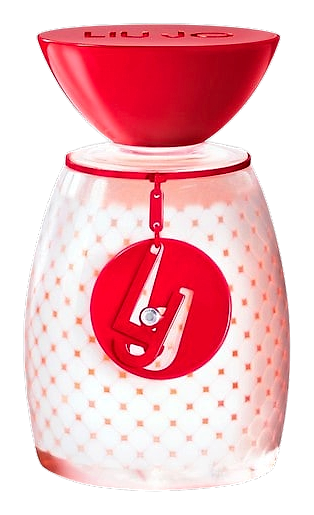
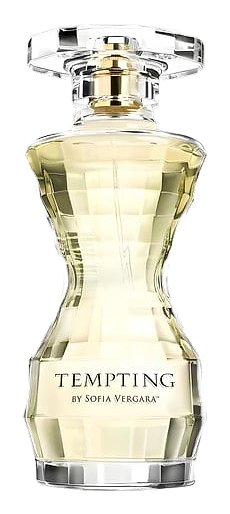
Brands
Brands known for Mandarin Blossom
Good to know
Questions, answered
The essentials on Mandarin Blossom in perfumery: how it smells, where it comes from, and how it behaves on skin.
What does mandarin blossom smell like?
Mandarin blossom carries a bright, green citrus-floral scent sharper and more terpeney than orange blossom absolute. It combines zesty mandarin rind notes with soft, waxy white petal undertones and a subtle bitter-green edge.
How is mandarin blossom extracted for perfume?
Mandarin blossom is extracted through solvent extraction of freshly harvested Citrus reticulata flowers, producing a concrete that is washed with alcohol to yield the absolute. Most commercial versions are built from reconstructed aroma chemical blends.
Where does mandarin blossom come from?
Mandarin blossom originates from southern China, where the mandarin tree was first cultivated. Today, authentic mandarin blossom absolute is primarily produced in Tunisia, Egypt, and Sicily.
Is mandarin blossom the same as neroli?
No, mandarin blossom differs from neroli. Neroli is steam-distilled from bitter orange flowers, while mandarin blossom absolute is solvent-extracted from Citrus reticulata flowers, yielding a brighter, greener profile.
When is mandarin blossom harvested?
Mandarin blossom is harvested in spring when the trees reach peak bloom, typically April through May in the Mediterranean. The flowers are picked alongside the young green fruitlets growers thin to improve fruit quality.
What is the difference between mandarin blossom and orange blossom?
Mandarin blossom offers a brighter, sharper citrus-peel accent with less indolic warmth, opposite to orange blossom absolute derived from bitter orange flowers. Both share floral character but differ in their green-fruity intensity.
Why is mandarin blossom absolute rare?
Mandarin blossom absolute is rare because the tiny flowers are labor intensive to collect in quantity. Each tree produces limited usable material per harvest, driving production costs significantly higher than steam-distilled citrus ingredients.
What perfumes commonly feature mandarin blossom?
Mandarin blossom appears frequently in Mediterranean-style eau de colognes, bright white-floral compositions, and modern citrus chypres. It lends a luminous sparkling quality to top accords in both classic and contemporary fragrance formats.


