Italian Myrtle
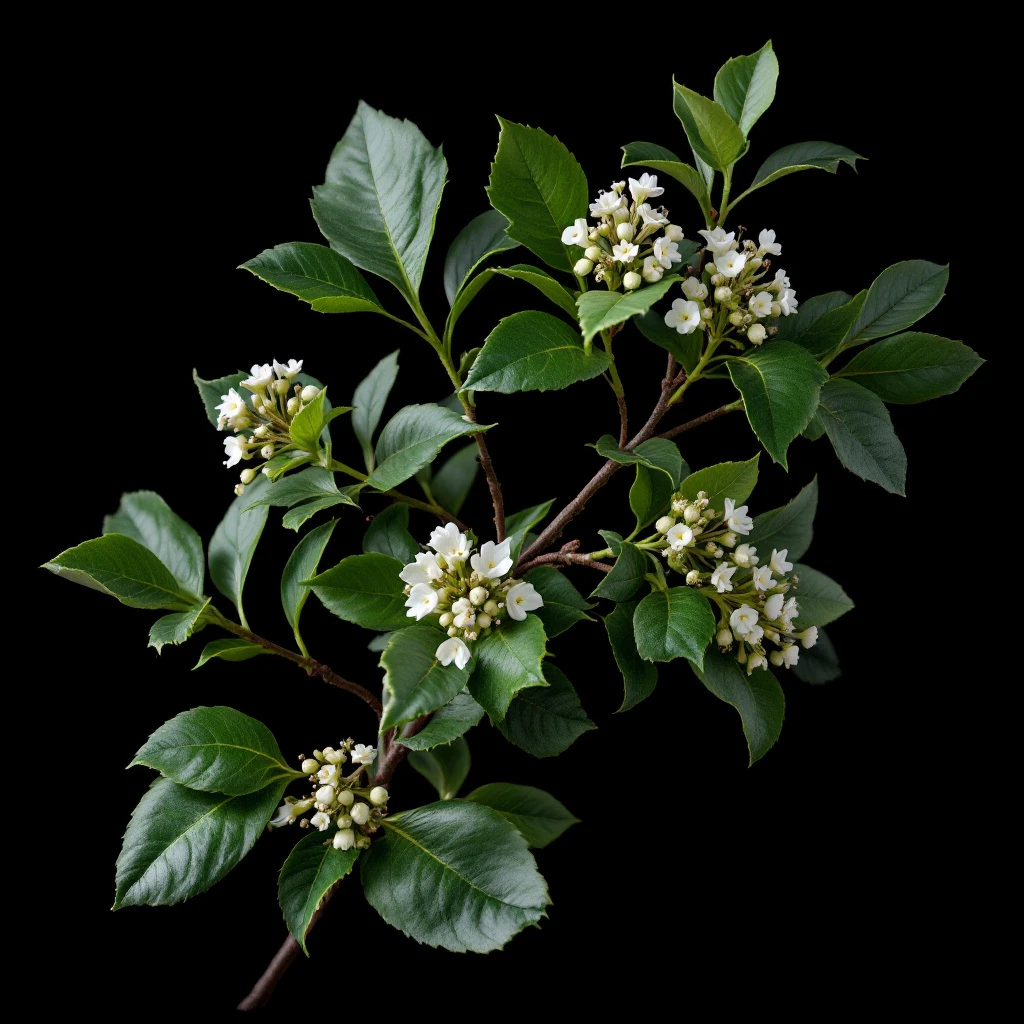
Italian Myrtle brings a crisp, green aroma with camphor-like freshness and subtle citrus-peppery warmth. Native to Mediterranean coastlines, this plant yields an essential oil prized in fine fragrance for its aromatic complexity and coastal soul.
Character
How it smells
Coastal Mediterranean green, crisp with citrus and floral charm
In Sardinia, myrtle is legally protected and traditionally woven into bridal wreaths as a symbol of love and devotion.






Origin
Italy
Myrtle holds deep roots in Mediterranean culture. Ancient Greeks associated the plant with Aphrodite and used it in ceremonial garlands.
Roman texts describe myrtle planted in courtyard gardens for its fragrance and protective qualities. In Sardinia, myrtle became woven into local tradition: the plant bears protected status and appears in bridal wreaths symbolizing fidelity and devotion.
While Italian perfumery rose to prominence in the 16th century under Catherine de Medici and her perfumer René le Florentin, myrtle's presence in Mediterranean aromatic traditions predates that era by centuries. Today the plant grows wild across Sardinia, Corsica, and coastal regions, carrying forward its ancient aromatic legacy into modern fine fragrance.
Wears it best
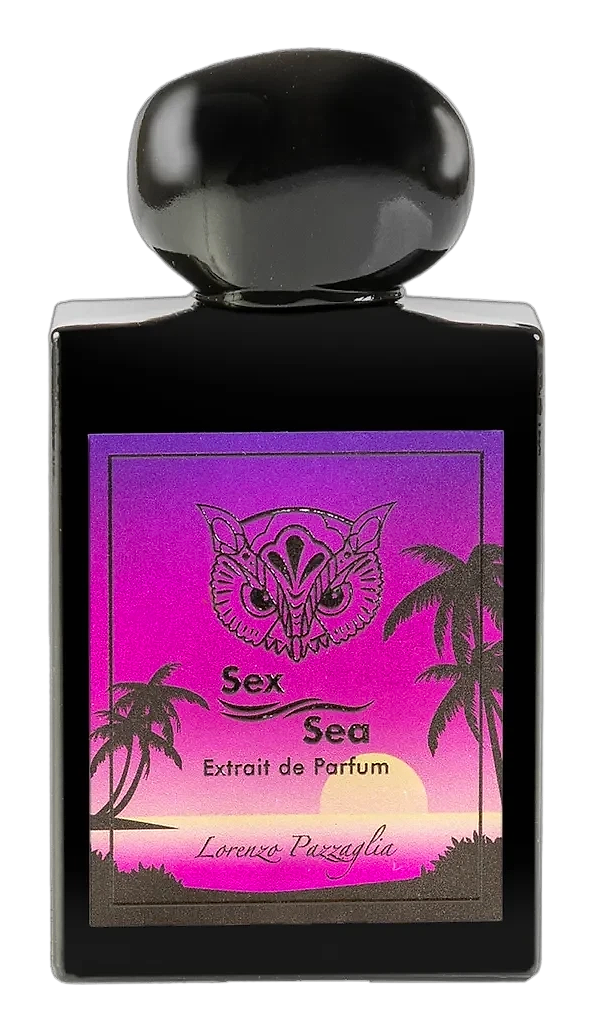
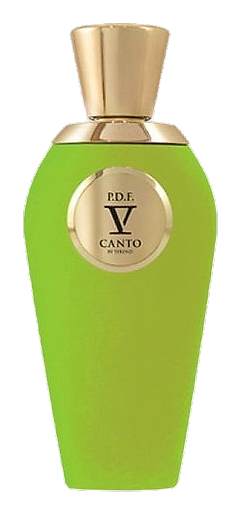
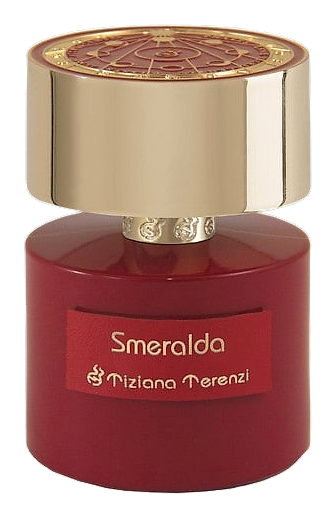
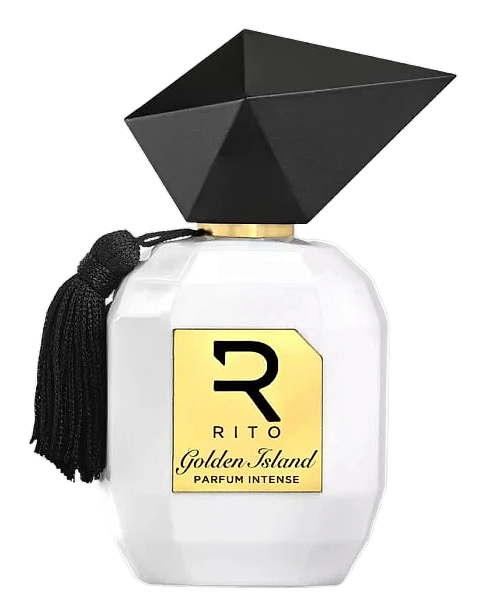
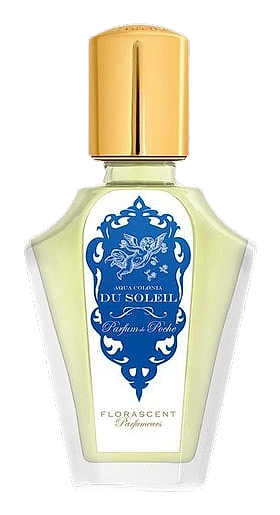
Fragrances featuring Italian Myrtle

Brands
Brands known for Italian Myrtle
Good to know
Questions, answered
The essentials on Italian Myrtle in perfumery: how it smells, where it comes from, and how it behaves on skin.
What does Italian Myrtle contribute to a fragrance?
Italian Myrtle adds a crisp, green freshness with camphor-like brightness and subtle citrus-peppery warmth. It works as a bridge between top and heart notes, giving fragrances a clean, Mediterranean quality.
Is Italian Myrtle a natural or synthetic ingredient?
Italian Myrtle in fine fragrance typically refers to naturally steam-distilled essential oil from Myrtus communis. Some modern formulations may use nature-identical compounds that replicate its aromatic profile.
How does Italian Myrtle differ from regular myrtle?
Italian Myrtle specifies Mediterranean-cultivated Myrtus communis, particularly from Sardinia and Corsica. The coastal climate and mineral-rich soils there shape a distinct aromatic profile with heightened freshness and complexity.
What fragrance family does Italian Myrtle belong to?
Italian Myrtle falls within the green and aromatic family. Its camphor-like freshness and herbaceous character make it a natural fit for fresh, citrus, and fougère constructions.
Which types of fragrances most commonly use Italian Myrtle?
Italian Myrtle appears most often in fresh and masculine fragrances. It pairs naturally with citrus, lavender, and rosemary, and works especially well in Mediterranean-themed and coastal-inspired compositions.
Does Italian Myrtle have good staying power in a fragrance?
Italian Myrtle functions as a heart-to-top note in perfumery. The aromatic molecules offer moderate tenacity, with its fresh, green character most prominent in the first two to four hours of wear.
Can Italian Myrtle cause allergic reactions?
As with many natural essential oils, Italian Myrtle oil may cause sensitivity in some individuals. IFRA guidelines provide concentration limits for myrtle oil in cosmetic applications to minimize risk.
Is Italian Myrtle the same as myrtle berries used in cooking?
They share the same plant, Myrtus communis, but serve different purposes. Fragrance uses the leaves and twigs via steam distillation. Culinary myrtle involves berries or leaves in much lower concentrations for flavor, not aroma.