The Story
Why it exists.
The beginning
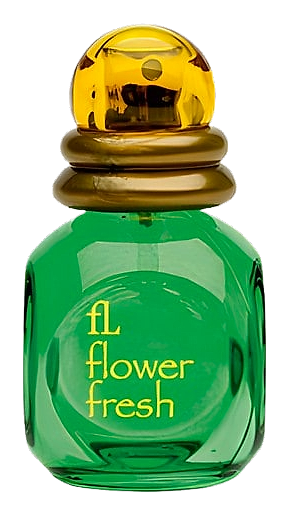
Pierre Bourdon built Flower Fresh around a paradox: a fresh floral that doesn't smell like it's trying to smell fresh. The brief wasn't atmosphere, it was botany, rendered wearable. What emerged is an intense morning garden captured in a bottle: the moment dew still clings to petals and the soil underneath gives everything its weight. It's green in the way a real garden is green, not the idea of green, but the actual smell of chlorophyll and cut stems. Bourdon delivered exactly that. The composition opens with watermelon and tomato leaf, two ingredients that shouldn't work together but do, creating a tension that keeps the fragrance from becoming precious. Grass anchors the opening while peony hovers just below the surface, not yet fully bloomed.
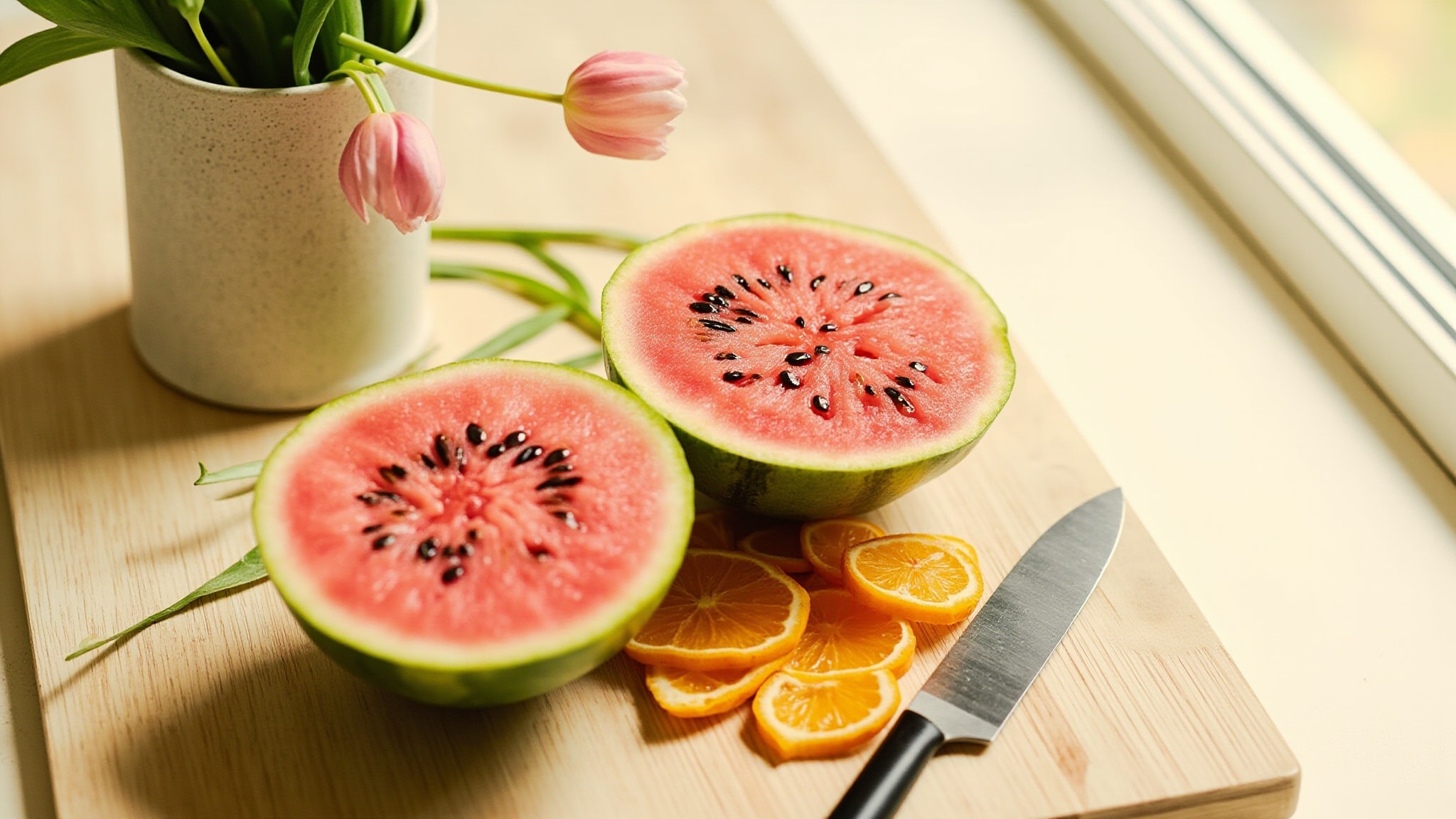
What makes Flower Fresh structurally unusual is the combination of watermelon and tomato leaf in the same pyramid. Watermelon brings brightness and watery sweetness to the opening, while tomato leaf adds a green, slightly bitter edge with a vegetable sharpness that catches the attention. Here, Bourdon lets them coexist in the opening, which creates a tension: the watermelon gives the green notes sweetness without sugar, while the tomato leaf and grass keep the fruitiness grounded. It's the balance between dewy and verdant that makes the opening read as morning rather than summer.
The evolution
The opening lands bright and immediate: watermelon and mandarin orange create a dewy burst, but the grass underneath keeps it from floating away. The citrus element provides a spark of luminosity while the green base prevents the composition from becoming ethereal or disconnected from the earth. The green notes take over as the opening progresses, tomato leaf and peony arriving together, the vegetable note adding a slight herbal edge that prevents the florals from becoming purely decorative. This is where the fragrance asserts itself, moving from bright opening to something with more substance and complexity. The heart develops with pink tulip and peach creating a soft, skin-adjacent warmth that lingers without announcing itself. Then cypress enters the conversation, not aggressively but as a quiet woodiness that replaces the sweetness of the heart and gives the composition direction.
Cultural impact
Flower Fresh represents Faberlic's approach to green perfumery, bringing botanical honesty to a mass-market audience through a composition built on grass, tomato leaf, and peony rather than synthetic accords. Pierre Bourdon's collaboration with Faberlic produced a fragrance that stands apart from the aquatic-heavy trends that dominated the late 2000s market, offering something with genuine botanical character instead. The emphasis on real plant materials gave the fragrance a distinctive voice in a landscape where many brands relied on abstract freshness.