
The Story
Why it exists.
The beginning
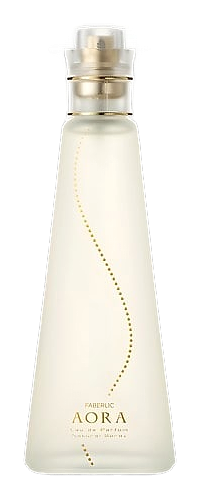
Aora arrived in 2008 from Czech perfumer Janek Kozeluh, who understood that accessible luxury doesn't mean holding back. The name itself suggests something rare and luminous, an object glimpsed at a distance. Kozeluh built this fragrance around the idea of white florals at full expression: gardenia, tuberose, and magnolia as co-equals rather than supporting players. Each bloom is given room to breathe yet they weave together in a way that feels intentional rather than accidental. The gardenia brings a lush, buttery quality while the tuberose adds a heady, almost tropical richness. Magnolia grounds the composition with its cleaner, greener undertones, preventing any single flower from overwhelming the blend.
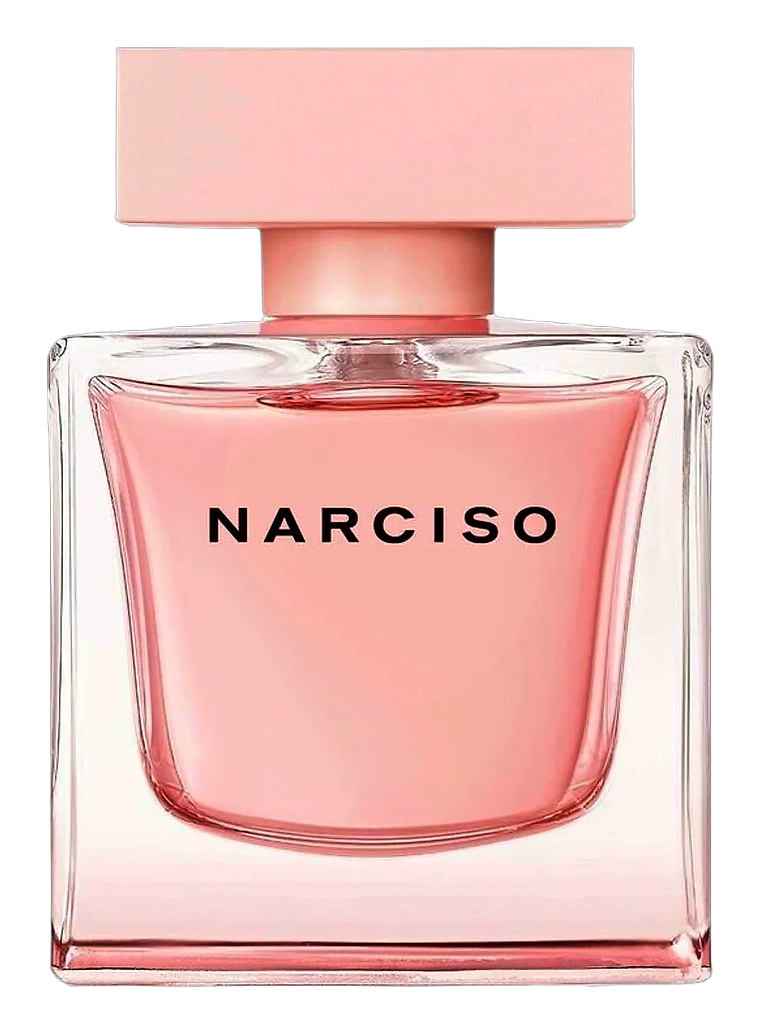
What makes Aora interesting isn't any single note, it's the structure. Gardenia and tuberose are both ingredients that can easily dominate a composition, becoming solipsistic. By pairing them with peony's softer edge and mandarin's brightness, Kozeluh creates a top that feels complete without needing to wait for the heart. The lactonic quality, that creamy, almost milky undertone, is what separates this from a standard floral bouquet. It occupies comfortable territory for fans of Narciso Rodriguez or Gosh, offering a similar embrace of white florals done with confidence and restraint.
The evolution
The opening hits fast, gardenia and mandarin orange arrive almost simultaneously, the citrus providing brightness rather than a true opening act. Within minutes, tuberose and magnolia swell, the florals deepening into something that reads as almost lactonic, creamy white blooms. Peony is the quiet moderator here, keeping the tuberose from becoming overwhelming. By the second hour, violet enters the picture, adding powdery softness that bridges the gap between heart and base. The cedar and sandalwood arrive in force around hour three, the woody warmth tempering the florals and adding depth to the composition. Oakmoss is the sleeper ingredient, it surfaces late and gives the drydown an animalic, almost vintage quality that surprises. The vanilla in the base is subtle, more warmth than dessert, lingering quietly beneath the wood and moss.
Cultural impact
Aora exists in an interesting space, discontinued now, but it captured something specific about 2008 fragrance culture. The white floral trend was in full force, driven by success stories like Narciso Rodriguez for Her. Aora occupied similar territory, embracing the bold white floral while offering its own distinct interpretation. The animalic quality, particularly the oakmoss in the drydown, gives it a character that reads as slightly vintage, which adds to its appeal for those who appreciate perfumery with history. It's confident in its vision, unafraid to blend the familiar with something a little more complex.