The Story
Why it exists.
The beginning
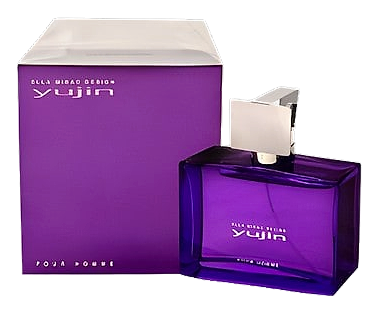
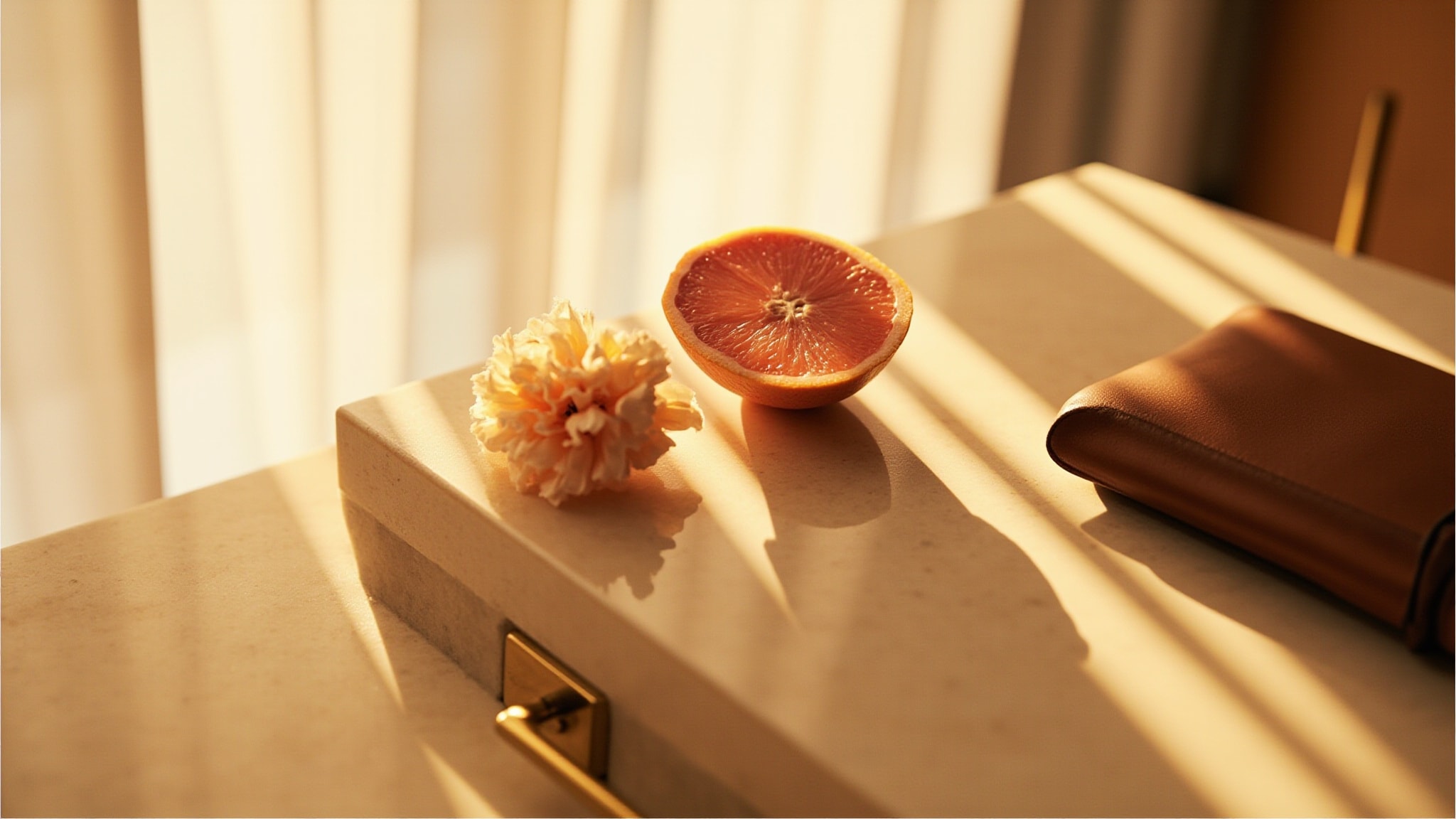
Yujin Pour Homme arrived in 2003 from Ella Mikao. The house had built out the Yujin line across multiple releases, each one centered on a specific idea rather than a sprawling pyramid. Pour Homme was the masculine interpretation of that approach, and it leaned into territory others had started avoiding. White florals on a man's fragrance were rare by then. Carnation had become harder to find on most shelves. So Yujin Pour Homme put them back together, paired with grapefruit and bergamot in the top, warmed by sage, and threaded with black pepper that gives the whole thing a faint static charge. The naming follows the same logic. "Yujin" anchors the line; "Pour Homme" signals intent. No abstract poetry, no ocean metaphor. Just a clear label for what the bottle contains.
What's interesting is the placement of neroli in the base. Most compositions treat it as a fleeting top, gone before the heart develops. Here, listed underneath labdanum and oakmoss, the bitter-orange wax character stays audible into the late hours, carrying a faint candle-shop warmth that rarely survives past the first half-hour in other fragrances. Combined with the carnation-geranium axis in the middle, it gives the drydown a slightly medicinal, cologne-cupboard quality, the kind of smell that recalls a pharmacist's back room or a vintage aftershave cabinet.
The evolution
The opening is the loudest stretch of the wear. Grapefruit and bergamot crack open with a brightness that almost tastes sour, and sage pulls things greener and more herbal almost immediately. It threads through the citrus without ever becoming a food spice, and it gives the top a quick, confident overture. Soon after, jasmine and carnation step forward together. The carnation is the lead here, slightly clove-like, almost powdery in a way that recalls soap rather than a barbershop. Lily of the valley and geranium widen the effect, giving the heart a soft, breezy lift, a green-edged breeze with just enough rose to keep things grounded. This is the phase that earns the "floral" label and wears it without apology. As the hours pass, the white florals begin to recede, but they don't vanish.
Cultural impact
Released in 2003, Yujin Pour Homme sits within a period when masculine perfumery was already exploring softer, more floral-spicy territory, and carnation was beginning to reappear in compositions aimed at men. The grapefruit-pepper opening keeps it anchored in the sensibilities of the moment, while the carnation-heavy heart gives it a slightly older, more classical feel, somewhere between vintage European masculine florals and contemporary construction. The oakmoss base, a material that was becoming harder to source in generous amounts due to changing regulations, gives the fragrance a mossy depth that feels deliberate rather than incidental.