The Story
Why it exists.
The beginning
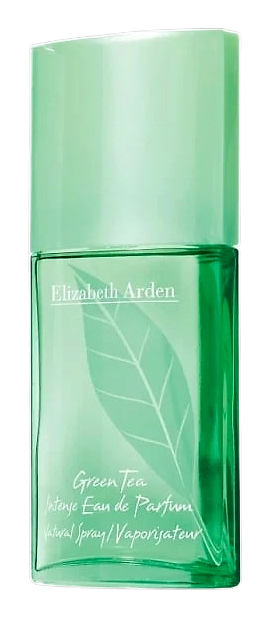
Green Tea Intense is a composition built around concentration. Where many green fragrances settle for a whisper of tea, this one commits. The herbal heart sits at the center of the structure, dense and sustained, rather than dissolving into a generic floral backdrop. The scent opens with a sharper, more vegetal character than its predecessor. Rhubarb tartness cuts through immediately, celery adds a raw green bite, and the citruses around them feel less decorative and more structural. As the composition develops, the heart leans into carnation and fennel, two notes that push the fragrance away from safe floral territory and into something more herbaceous and assertive. The result is a green tea fragrance that leans into its central ingredient rather than treating it as a vague suggestion.
What makes this composition worth studying is the balance between cooling and warmth. Peppermint and fennel pull the heart into a clean, almost raw vegetal register, while amber and oakmoss in the base prevent it from feeling thin or fleeting. The carnation adds a peppery spice note most green fragrances skip entirely. The rhubarb in the opening, tart and slightly vegetal, gives the first phase a sharpness that holds its shape well into the drydown. The interplay between the top notes and the heart is unusually tight.
The evolution
The first 15 minutes are all movement. Rhubarb hits sharp, then lemon joins and the whole thing sparkles like light off a window. Orange zest brightens the edges, adding a waxy peel character that grounds the sharper notes. Caraway sits underneath, giving a quiet licorice quality that most people won't name but will notice. Bergamot rounds it out, softer than the other citruses, adding a waxy warmth that smooths the opening's sharper edges. At 30 minutes, the green tea arrives properly, along with its herbal companions. Fennel, peppermint, and celery create a vegetal coolness that's almost vegetal-sweet, like the smell of crushed herbs between your fingers. Jasmine floats in faintly, just enough to prevent the heart from feeling too austere. Carnation adds its clove-like edge, warm where the rest is cool.
Cultural impact
Green Tea Intense exists within a broader conversation about herbal and green fragrances that gained traction in the early-to-mid 2000s. The composition leans heavily into green tea as a central material, supported by a herbal heart and a grounded base, creating a scent that reads as both fresh and substantive. The fragrance speaks to wearers who want something clean and herbal without the sweetness of gourmand styles or the heaviness of orientals. Its green character is assertive rather than decorative, with celery, rhubarb, and fennel giving it a vegetal bite that sets it apart from typical citrus-driven fresh scents.