

The Story
Why it exists.
The beginning
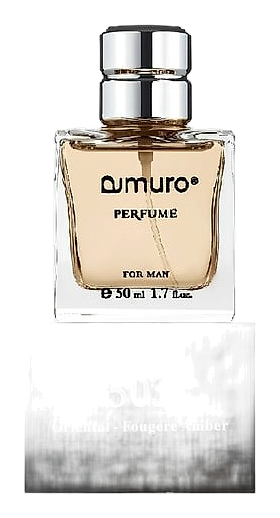
Amuro 503 arrived in 2013, part of a numbered series from Dzintars. Where many of the brand's earlier releases leaned into fougère and aromatic-chypre traditions, this one tilted warmer, closer to an oriental fougère: citrus and herbs on top, spice through the middle, tobacco and amber underneath. The 503 in the name is part of the Amuro numbering system, less a perfume, more a coded entry in a long-running serial. Dzintars treats its releases as numbered entries in an ongoing catalogue, aromatics you can reach for because they do a specific job rather than chasing a seasonal moment. Amuro 503 is built for that kind of wearing, something steady enough to own a drawer.
What sets the structure apart is how the aromatic top survives the oriental base. Basil and grapefruit do the opening, but the orange blossom and ginger in the heart keep that green, slightly sharp thread alive. The spice keeps the conversation going, cardamom adding that dusty, almost metallic bite that sits between fresh and baked. The result is a tobacco-amber base that feels lifted rather than heavy, a dry oriental rather than a sweet one.
The evolution
The first ten minutes belong to grapefruit. It cuts sharp, almost bracing, riding over basil and coriander in a way that smells less like cologne and more like something cracked open in a kitchen. Then the citrus rounds out and the middle takes over: orange blossom arrives soft and soapy at first, but ginger undercuts it with a clean, peppery heat that stops the floral from going pretty. Cardamom threads through, adding its cool, almost metallic dust. By the ninety-minute mark the spices have settled into something quieter, and the base starts to assert itself. Amber arrives warm and slightly resinous, cedar gives it backbone, and tobacco shows up not as cigarette smoke but as the dry, leafy version: the smell of cured leaf, a touch sweet, a touch rough.
Cultural impact
Amuro 503 wears like a catalogue find rather than a statement launch, the kind of release that earns its reputation drawer by drawer. It reads closer to a spiced aromatic fougère than to the louder, sweeter orientals that crowd modern shelves. Wearers who reach for it tend to value the tobacco-amber finish over flash: something that smells considered without trying to prove anything. The fragrance rewards attention rather than demanding it, settling into the kind of scent that gets recognized across a room only after someone has already leaned in.