The Story
Why it exists.
The beginning
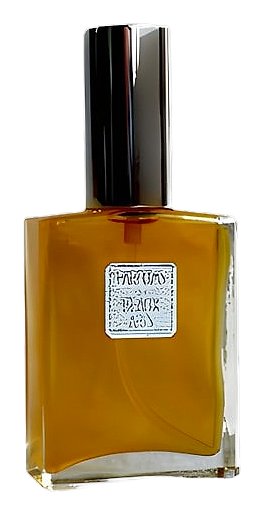
Umber: Bois de Rose comes from Dawn Spencer Hurwitz, the perfumer behind DSH Perfumes. Part of the Chroma Collection, it was released in 2010 as a composition Hurwitz framed as a deep, moody 'earthen rose,' a perfume built to explore the weight of rose when it's pulled away from sweetness and set against soil, wood, and shadow. The name itself signals intent: 'bois de rose' evokes the raw botanical, the wood that yields rose oil through distillation, a material that anchors perfumery's long history with Rosa damascena. Hurwitz used that reference as a starting line, not a destination. The fragrance opens with bergamot, eglantine rose leaf, thorn apple, and violet, a cool, slightly bitter entry that establishes distance before the rose ever arrives.
What makes this composition unusual is the structural role patchouli and oakmoss play. In many rose-driven fragrances, green or earthy notes serve as a light frame. Here, they form the architecture. East Indian patchouli and brown oakmoss anchor the heart, while Brazilian vetiver and cistus absolute build the base. The rose, Gallic rose otto, a material known for its depth and slight spiciness, sits within that structure rather than floating above it. Violet and eglantine rose leaf add the cool, powdery edges that keep the earthy base from reading as purely mineral.
The evolution
On skin, the opening gives you bergamot and violet first, with eglantine rose leaf lending a green, almost herbal edge. That phase is brisk and a little aloof, the part of the fragrance that introduces itself without committing. As the composition warms, the heart takes over. Rose otto arrives with nutmeg and iris warming alongside patchouli, and the scent shifts from cool to rooted. The wood and earth don't crash in, they accumulate. Over time, the composition settles fully into its chypre register: oakmoss and cistus absolute doing the quiet, mossy work, vetiver adding that dry mineral hum, vanilla absolute threading warmth underneath. The base clings close to the skin. What lingers is mostly the moss-cistus-rosewood combination, faintly sweet, faintly resinous, and unmistakably grown rather than sprayed.
Cultural impact
Umber: Bois de Rose reads as a modern, botanical take on the chypre structure, one that prioritizes texture and depth over the sweeter, more romantic rose formulations that dominate mainstream perfumery. The earthy, moss-driven backbone gives it a distinctive place among rose compositions, appealing to those drawn to fragrances with architectural weight rather than floral softness. The composition suits cool weather and quieter rooms, where its moss-and-earth character can unfold without competing against heat or humidity.