Brown oakmoss
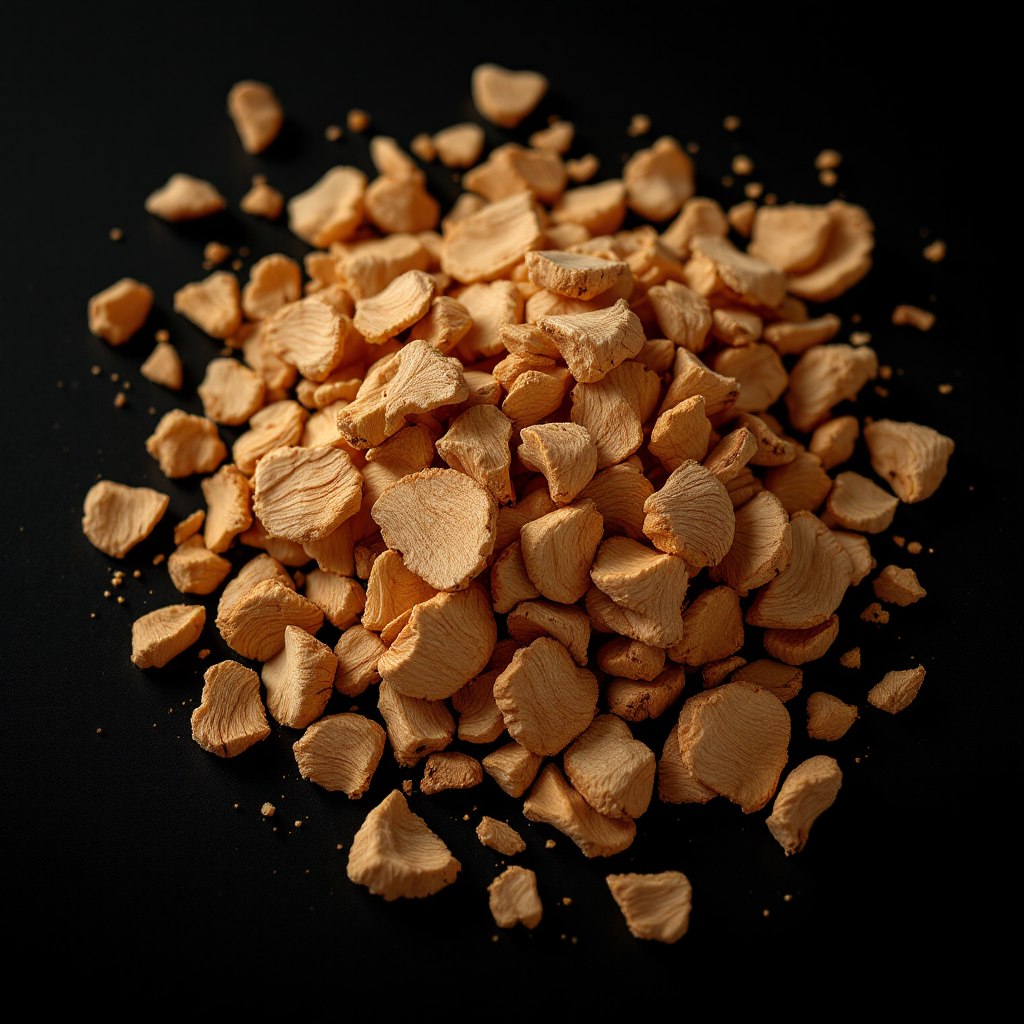
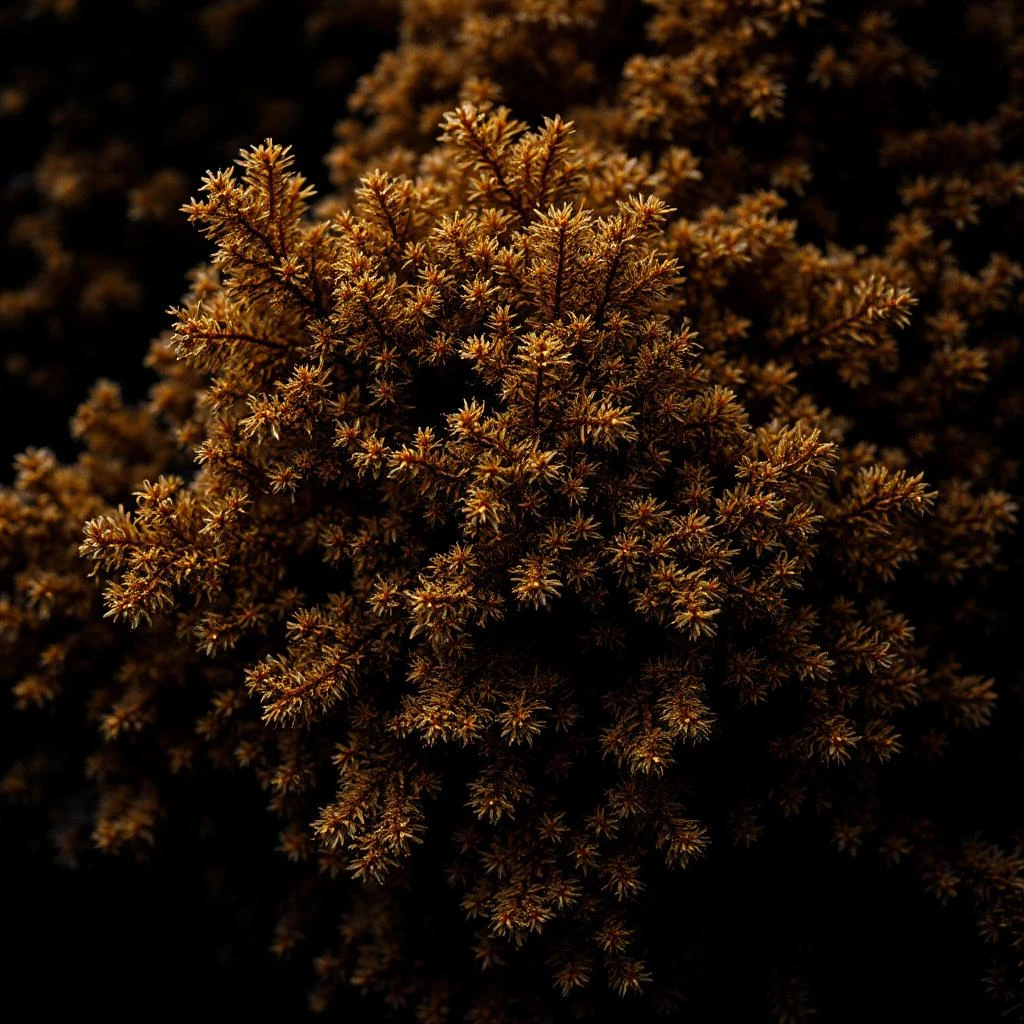
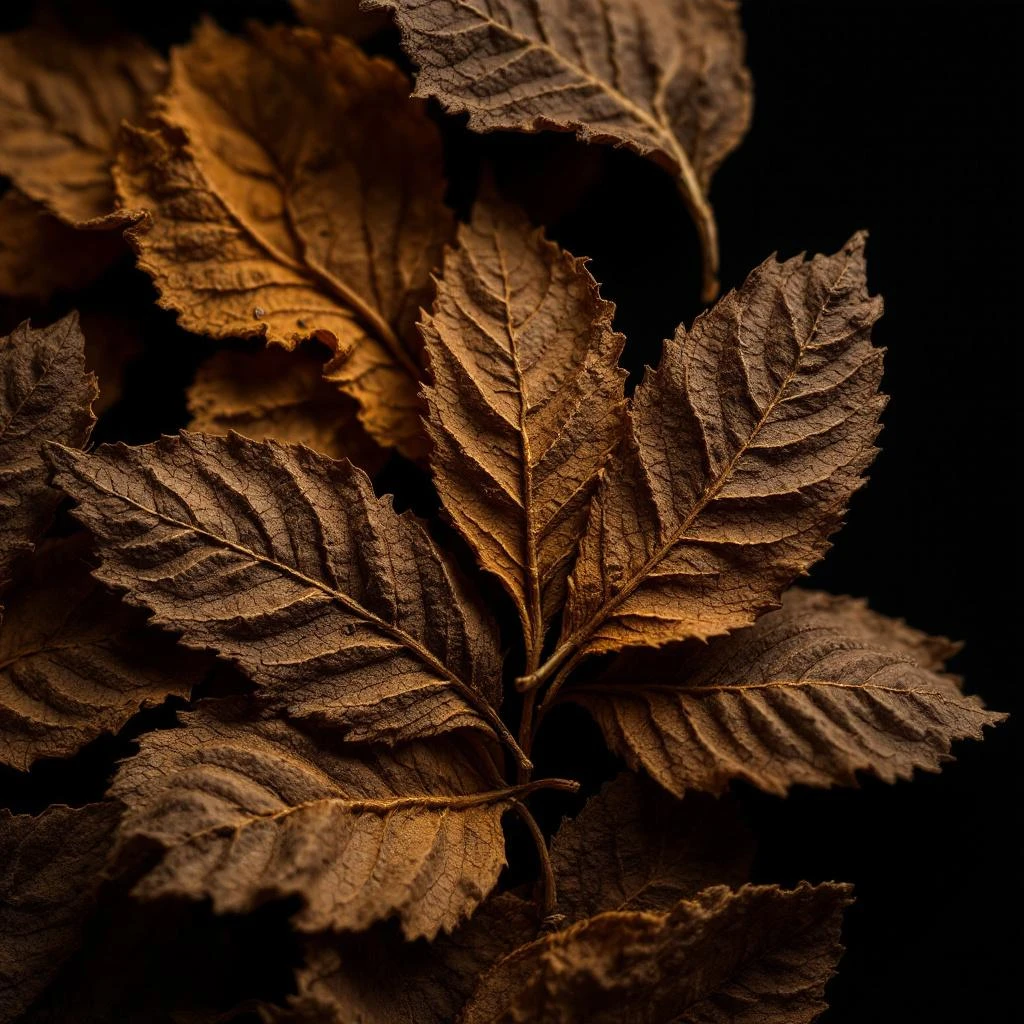
Brown oakmoss, harvested from the lichen Evernia prunastri clinging to oak bark, imparts a damp, forest‑floor scent rich in mossy, woody and mineral tones. Its dark, earthy profile anchors chypre and fougère compositions, offering lasting depth and natural authenticity.
Character
How it smells
Earthy forest depth captured in a single brown note, grounding modern blends with timeless elegance.
Despite its heavy, earthy scent, oakmoss contains a compound called atranol that was once used as a natural preservative in cosmetics before regulations limited its use.







Origin
France
Oakmoss entered Western perfumery in the late 1800s as chemists explored new natural extracts for complex bases. In 1917 Coty introduced Chypre, a landmark fragrance that placed oakmoss at the heart of a new olfactory family. The note quickly migrated to fougère blends, where it balanced aromatic herbs with a grounding earth tone.
Throughout the 20th century, oakmoss defined the structure of countless classic scents, earning a reputation as the backbone of sophisticated compositions. Regulatory scrutiny rose in the early 2000s when studies linked atranol and chloroatranol to skin sensitization. The EU imposed limits in 2021, prompting perfumers to refine extraction methods or substitute low‑allergen variants.
Despite restrictions, oakmoss remains a cornerstone of heritage fragrances, symbolizing the bridge between natural forest aromas and refined modern design.
Wears it best
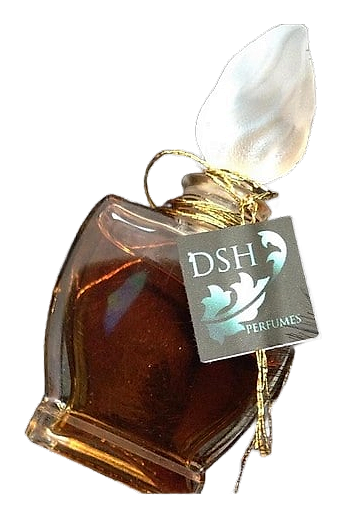
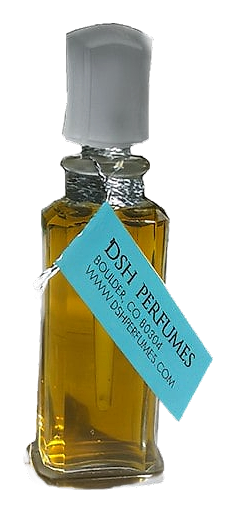
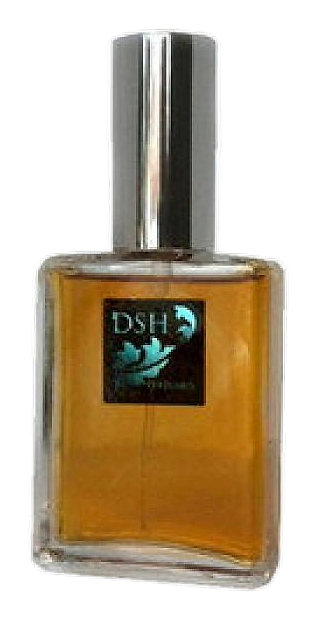
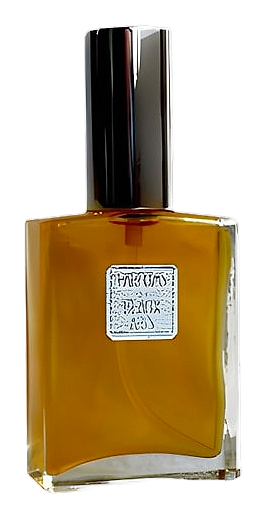
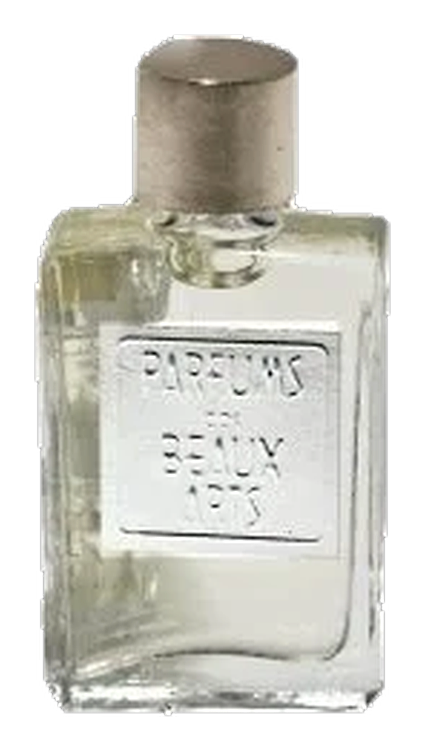
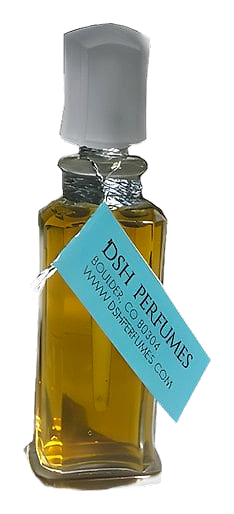
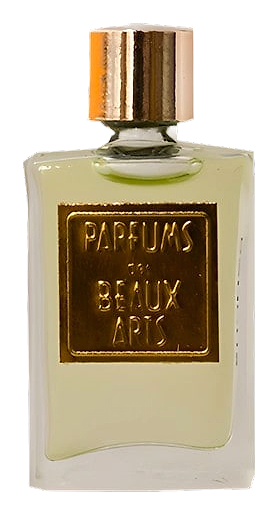
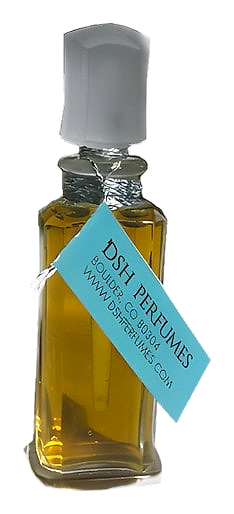
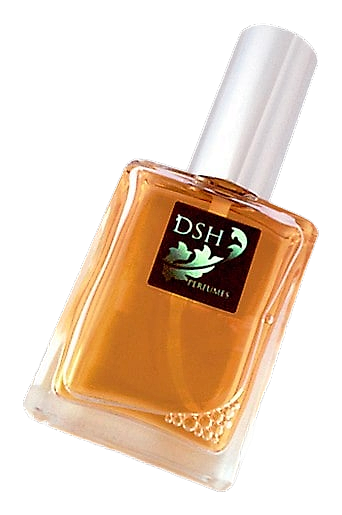
Fragrances featuring Brown oakmoss


Brands
Brands known for Brown oakmoss
Good to know
Questions, answered
The essentials on Brown oakmoss in perfumery: how it smells, where it comes from, and how it behaves on skin.
What does brown oakmoss smell like?
Brown oakmoss offers a damp forest aroma with notes of moss, wet bark, and a faint mineral edge. Laboratory analysis shows it contains 30‑35 % atranol, contributing to its earthy profile. The scent unfolds as a cool understory, recalling rain‑kissed trunks and leaf litter.
Is brown oakmoss natural or synthetic?
Brown oakmoss is harvested from the lichen Evernia prunastri, making it a natural ingredient. In 2022, French producers reported an annual yield of 1,200 kg of dried lichen for absolute extraction. The raw material undergoes careful drying before solvent extraction, preserving its volatile profile.
How is brown oakmoss extracted?
Brown oakmoss is obtained through solvent extraction, a process that draws out its aromatic compounds without heat. Typical runs last 12‑14 hours at temperatures between 40 °C and the solvent’s boiling point, yielding a dark brown absolute. The resulting absolute integrates smoothly with alcohol bases, delivering a stable, long‑lasting note.
Why is oakmoss regulated in perfumery?
Regulators limit oakmoss because its natural constituents can trigger allergic reactions on sensitive skin. The EU’s 2021 amendment capped atranol and chloroatranol at 2 ppm in finished products. Manufacturers often substitute a reduced‑impact oakmoss or apply a purification step to meet the threshold.
Which fragrance families rely on oakmoss?
Chypre and fougère families rely heavily on brown oakmoss to anchor their structure. Coty’s 1917 Chypre, credited with popularizing the style, listed oakmoss as a core component in its original formula. The note adds depth, allowing citrus top notes to linger while grounding the composition with an earthy, woody base.
Can oakmoss cause skin sensitization?
Oakmoss can cause sensitization; patch tests show a 2‑3 % incidence among fragrance‑exposed volunteers. A 2019 dermatology study recorded 2.1 % positive reactions to oakmoss in a sample of 1,500 participants. Formulators therefore limit its concentration or use a low‑allergen variant to comply with safety guidelines.
How long does oakmoss retain its scent in a blend?
Oakmoss retains its character for months in an alcohol solution, making it a durable base note. Stability tests at 25 °C show less than 5 % loss of key aromatics after 90 days. This persistence helps perfumers build complex layers without frequent rebalancing during formulation.
Is oakmoss sustainable to harvest?
Harvesting oakmoss follows guidelines that protect forest ecosystems and ensure lichen regeneration. The French National Forestry Office reports a 15 % annual regrowth rate when only 30 % of a stand is collected each cycle. This practice supports long‑term availability while preserving biodiversity.