The Story
Why it exists.
The beginning
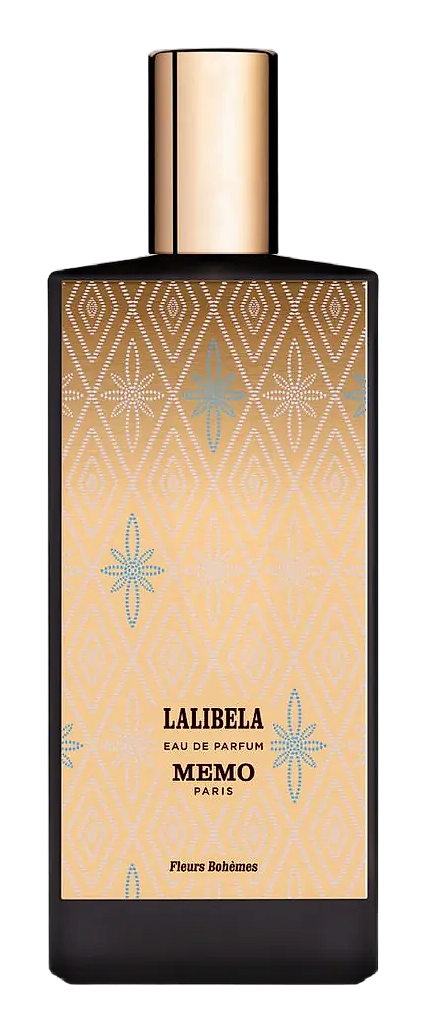
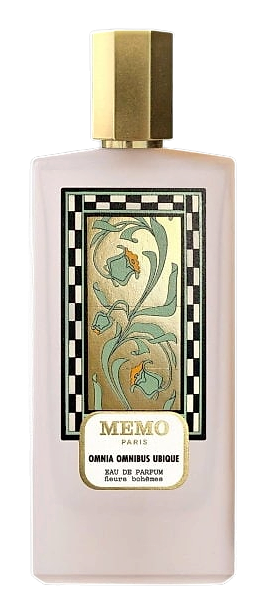
Omnia Omnibus Ubique translates from Latin as "everything for everyone, everywhere," the centuries-old motto of Harrods, the London institution that needs no introduction. In 2026, Memo Paris translated that phrase into a fragrance, released as part of the Fleurs Bohèmes collection and available exclusively through Harrods. Perfumer Gaël Montero built the composition around two materials the house rarely centers side by side: iris butter and floral oud. The intent reads less like a department-store souvenir and more like a portrait of the building itself, captured in scent. The bottle design, created by Giles Deacon, extends that architectural impulse into the object you hold, with faceted glass that catches light the way the store's famous windows do at certain hours of the day.
Iris butter is one of perfumery's most patient materials. The orris root yields a powdery, rooty, slightly sweet aroma that smells less like a flower and more like the memory of a flower pressed into velvet. Akigalawood adds a woody-pheromonal warmth that bridges the iris and the oud without either having to dominate. Pairing orris with oud creates a deliberate tension, one mineral and cool, the other resinous and animal, and the saffron on top forces them into conversation rather than competition.
The evolution
The opening belongs to saffron and Akigalawood. Not aggressive, but present, a warm spice that catches the light without burning. Osmanthus absolute adds a leathery apricot undertone that reads almost like suede, a softness that rounds the spice before the iris arrives. Then the iris takes over, not the bright purple-flower version, but the root, orris butter, dense and powdery, settling over the saffron like dust on a library table. Jasmine absolute enters the heart as a whisper rather than a statement, reinforcing the floral creaminess without stealing it. As the composition wears on, the oud surfaces. It stays restrained, more floral-leathery than barnyard, cushioned by sandalwood that softens everything around it. The later stages belong to vanilla absolute and musk, not gourmand vanilla, just warm skin amber, the scent equivalent of cashmere against bare skin.
Cultural impact
As a Harrods exclusive within the Fleurs Bohèmes collection, Omnia Omnibus Ubique occupies a particular place in Memo's lineup. The audience is largely Memo collectors and people who already associate Harrods with discovery. Early impressions from wearers note that this composition reads softer and more iris-driven than some of the house's other oud releases, with less leather and more powder. Some have drawn comparisons to Oud Cadenza, finding this one quieter, more meditative, a composition that rewards close attention over loud projection.
The House
Memo ParisMemo Paris treats fragrance as a travel note, a way to preserve and relive the memory of a destination long after departure. Founded in Paris in 2007 by Clara and John Molloy, the house builds each scent around a place that moved them, translating geography and emotion into liquid form. The name itself tells the story: memo like memory, like souvenir, like the trace a fragrance leaves in its wake. Each bottle becomes a passport to somewhere beautiful, somewhere felt.
The Creator
Gaël MonteroMontero has made his name mastering oriental fragrances, particularly the interplay between richness and restraint. He gravitates toward noble materials, with a particular affinity for oud, saffron, and musks.