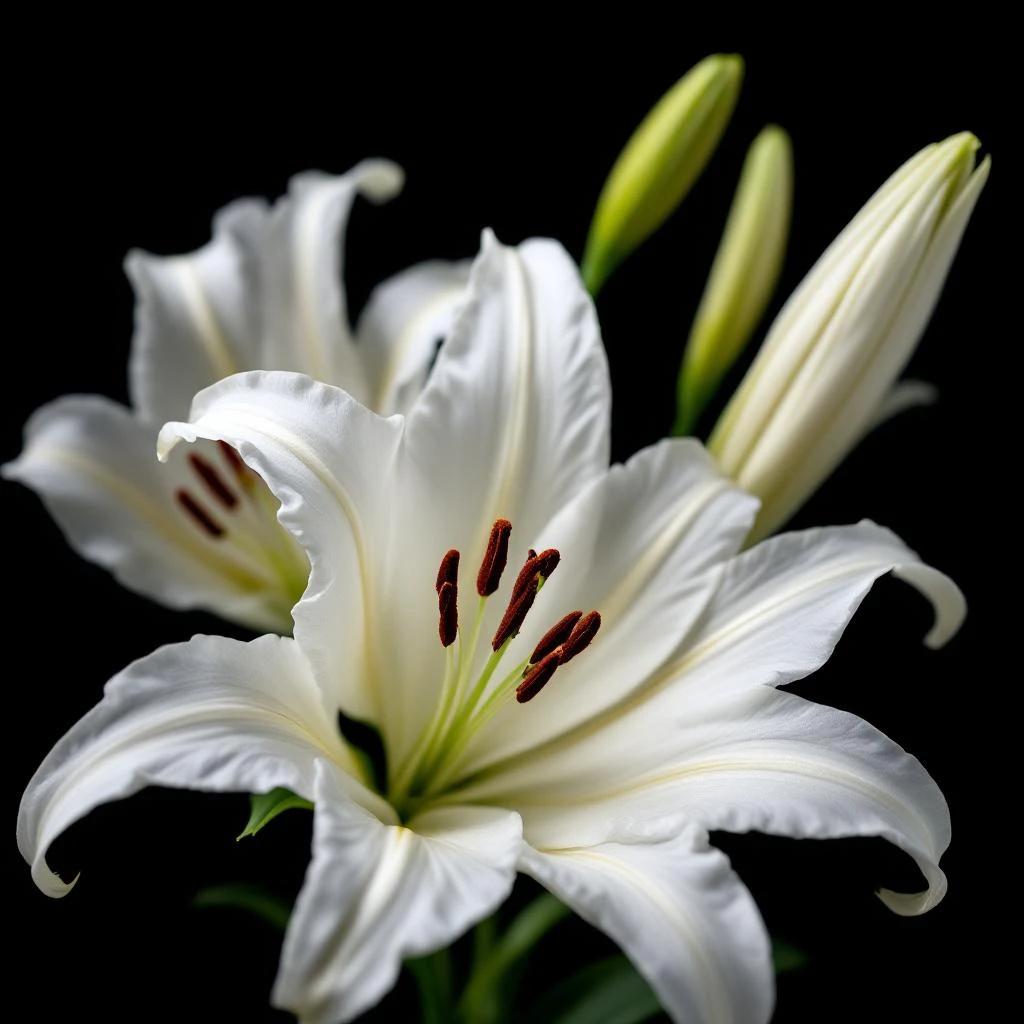
Eglantine Rose Leaf
Eglantine rose leaf captures the wild, dewy freshness of hedgerow roses before they bloom. This rare material delivers a crisp, green fragrance that lifts floral compositions with its verdant, slightly apple-scented character. A secret weapon in modern perfumery.
Character
How it smells
Wild hedgerow freshness, captured in leaf.
Eglantine leaves release their apple-scented fragrance most strongly after rainfall, when crushed or brushed by passing animals.






Origin
United Kingdom
Eglantine, the sweetbriar rose, has grown wild across European hedgerows for thousands of years. Ancient Greeks and Romans prized the plant for its ornamental and medicinal qualities, though they focused primarily on the flowers rather than leaves. The distinctive apple scent of eglantine leaves went largely unremarked in classical texts.
During the medieval period, herbalists began documenting the plant's therapeutic uses, and the rose hip syrup became a prized vitamin C supplement. The use of rose leaves as a fragrance material emerged more recently, likely in the late 19th century when perfumers began exploring unconventional botanical sources to expand their palettes. By the 20th century, wild rose materials had found their place in niche perfumery, valued for their ability to add freshness and realism to green and chypre compositions.
Today, eglantine leaf absolute represents a return to forgotten botanical traditions, appealing to perfumers who seek unusual, characterful ingredients over mass-market synthetics.
Wears it best
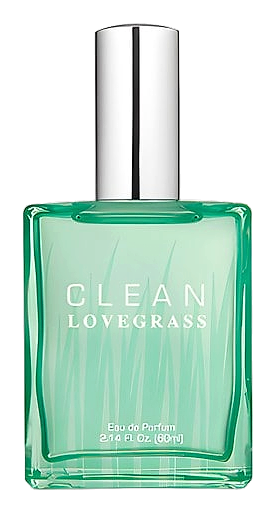
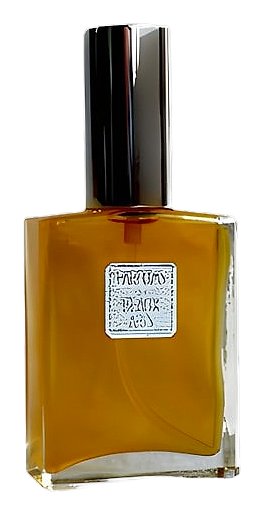
Fragrances featuring Eglantine Rose Leaf
Brands
Brands known for Eglantine Rose Leaf
Good to know
Questions, answered
The essentials on Eglantine Rose Leaf in perfumery: how it smells, where it comes from, and how it behaves on skin.
What does eglantine rose leaf smell like?
Eglantine rose leaf delivers a crisp, green scent reminiscent of fresh-cut grass with subtle apple and honey notes. It smells like a rose hedge in early morning dew, offering verdant freshness rather than floral sweetness.
Is eglantine rose leaf natural or synthetic?
Eglantine rose leaf is a natural aromatic material. Producers extract the scent from fresh leaves of the sweetbriar rose using solvent extraction, though supply remains limited due to the labor-intensive process.
Which rose species produces eglantine leaf absolute?
Two rose species yield material marketed as eglantine or rose leaf absolute: Rosa eglanteria (sweetbriar rose) and Rosa rubiginosa (sweet briar). Both grow wild across European hedgerows and produce similarly scented leaves.
Why is rose leaf absolute so expensive?
Rose leaf absolute commands high prices because extraction yields are minimal. Producers need substantial quantities of fresh leaves to yield small amounts of absolute, and the leaves must be harvested and processed quickly to preserve their delicate green compounds.
What fragrances use eglantine rose leaf?
Eglantine rose leaf appears primarily in niche and artisanal fragrances that emphasize green, chypre, or naturalistic themes. It works particularly well in compositions aiming for botanical authenticity or hedgerow atmospherics.
Does rose leaf smell different from rose flower?
Rose leaf absolute smells distinctly different from rose flower materials. Rose flowers provide rich, romantic, honeyed florals, while rose leaf offers crisp, verdant, slightly phenolic freshness that functions as a top note enhancer and green anchor.
When should perfumers use rose leaf absolute?
Perfumers reach for rose leaf absolute when they need to add natural green dimension, enhance citrus freshness, or create realistic botanical atmospheres. It works exceptionally well in spring and summer fragrances or any scent aiming for a garden-fresh character.
Can I find rose leaf absolute in mainstream perfumes?
Rose leaf absolute rarely appears in mainstream commercial fragrances due to its rarity and cost. You are more likely to encounter it in independent and niche perfumery houses that prioritize unusual natural materials over cost efficiency.