The Story
Why it exists.
The beginning
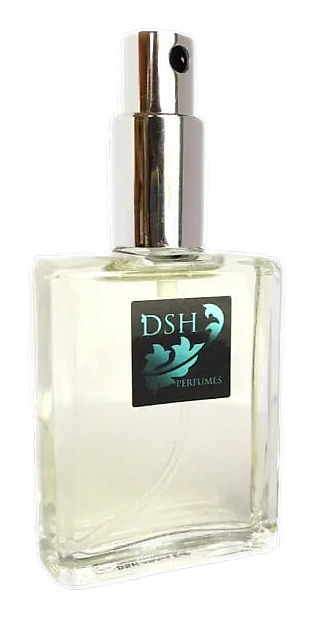
Three Kings arrived as a limited holiday release in 2009, a seasonal study built on the classical frankincense and myrrh theme. Dawn Spencer Hurwitz composed it as a dry resin perfume: dense, contemplative, unapologetically old-school. The formula follows its thread without ornamentation, leaning on precious oriental resins, balms, and woody notes to carry the weight. Nothing about it reads modern, and that's the point. The scent registers as dark and earthy, the kind of composition that feels pulled from a cabinet rather than a catalog. It's the work of a perfumer who treats holiday releases as sketches worth finishing slowly, letting the raw materials speak in their own dense language.
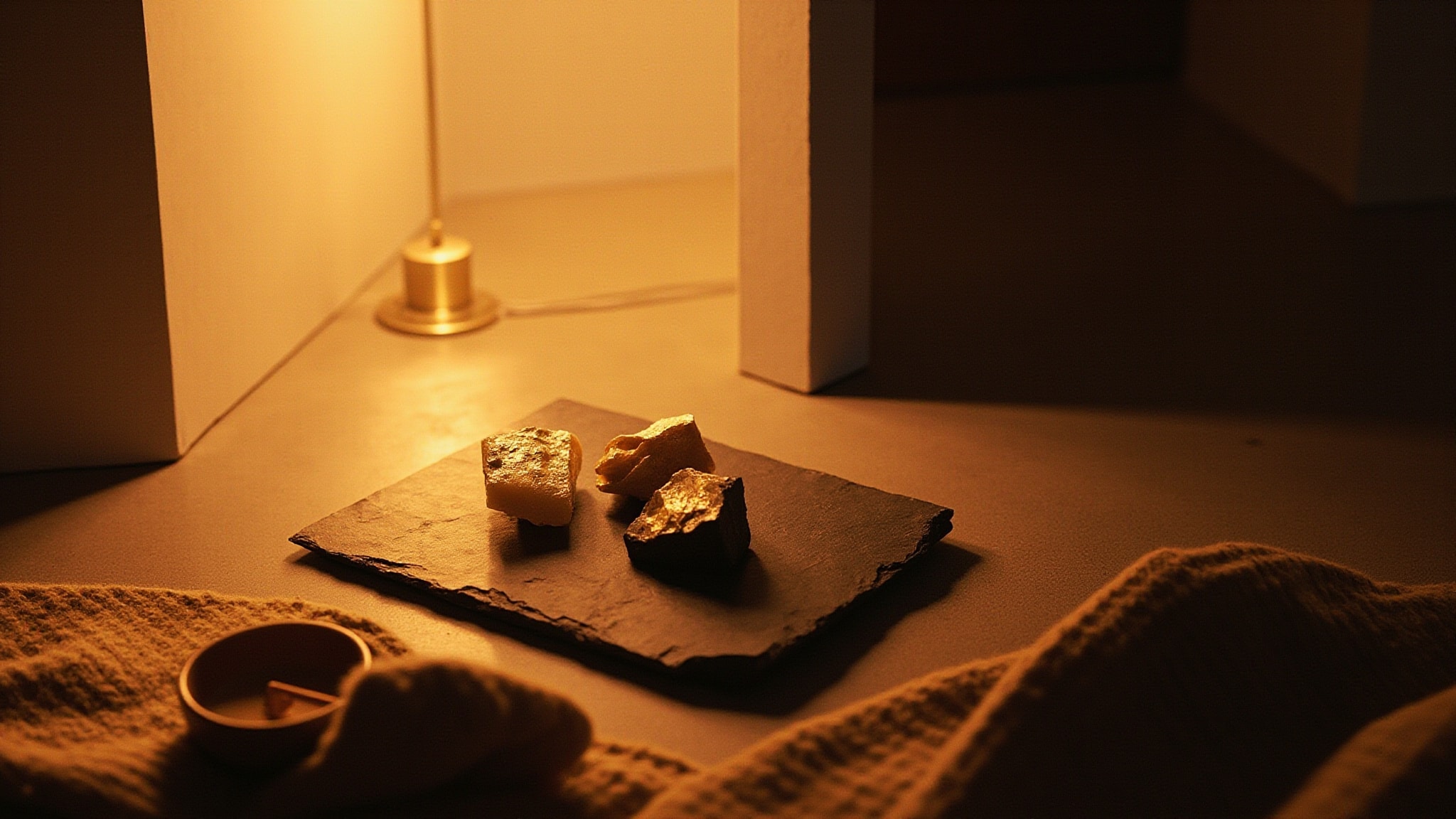
What sets Three Kings apart from the holiday-spice crowd is its refusal to sweeten. The opening carries bitter almond and davana rather than the usual cinnamon-and-vanilla playbook. The heart leans on absolutes like champaca, Moroccan rose, and orange blossom that read more like an apothecary shelf than a fruitcake, dense and herbal where other holiday scents go syrupy and warm. The base pulls in labdanum, frankincense, and myrrh alongside patchouli and sandalwood, giving the composition a density that smells less like a candle and more like old wood furniture in a heated room.
The evolution
The opening carries a cold snap of citrus peel, bergamot and bitter orange cutting through with a sharp, almost metallic clarity. There's a faint warmth underneath, something soft and nutty that reads like bitter almond catching cold air, and it sharpens rather than softens as the davana kicks in with its fermented, herbal edge. Within the first half hour, the florals arrive, but they arrive like background music rather than a spotlight. Champaca and jasmine huddle behind the citrus alongside rose absolute, giving the composition a waxy, almost candied depth without ever tipping into sweetness. The florals feel weighted down, saturated rather than airy, like petals pressed between the pages of a heavy book. As the composition settles, the resins take their place at the center of the structure.
Cultural impact
For collectors drawn to incense-and-woodrobe compositions, Three Kings holds particular appeal. The bitter-almond and davana pairing lends the scent a curio-cabinet quality prized by wearers who collect with intention instead of impulse. The dense resin base and the apothecary-leaning florals put it in conversation with classic vintage orientals, the kind of bottles you find tucked into the back of an old perfumer's shelf rather than displayed in a modern retail lineup. It's a release that rewards slow attention, the sort of scent that feels discovered rather than purchased, and it carries that gravity into every phase of its wear.