
The Story
Why it exists.
The beginning
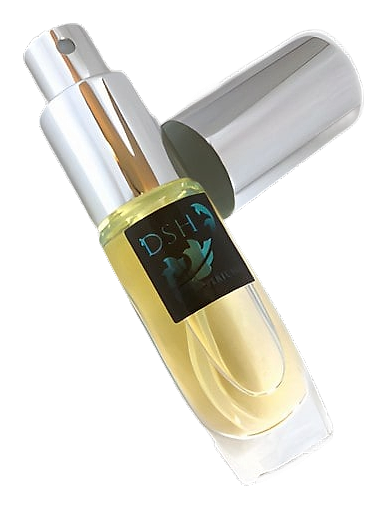
Le Jardin Vert was born from an exhibition at The Denver Art Museum. Dawn Spencer Hurwitz composed it for "In Bloom: Painting Flowers in the Age of Impressionism." Released in 2015 as part of her Giverny in Bloom Collection, it carries the structure of an impressionist canvas translated through botanical absolutes and natural extracts. The fragrance reads like a study of green itself, the layered vegetation that surrounds a garden's blooms rather than the petals in the foreground. There's a structural clarity to the composition that feels architectural in its restraint, a quiet scaffolding of leafy top notes, a floral heart that never leans too sweet, and a base rooted in the earthier side of perfumery.
Le Jardin Vert layers violet leaf absolute and petitgrain across the top for a leafy, almost bitter opening, then grounds that brightness with Bulgarian rose otto and Tunisian neroli in the heart, two materials that add floral warmth without ever tipping into sweetness. The transition from top to heart is gradual, and the green notes never fully leave; they hover beneath the florals like stems showing through a bouquet. The base pulls toward soil.
The evolution
The first 20 minutes belong to the green notes. Violet leaf and petitgrain arrive sharp, vegetal, almost like tearing into a living stem. Bergamot softens the edges. The heart arrives slowly, neroli and Bulgarian rose otto opening behind the green curtain, adding a linden blossom sweetness that feels like sun warming the canopy. Galbanum pulses through the middle, keeping everything sharp and awake. Then the shift. The leaves fall away and the soil underneath takes over. Brazilian vetiver, cabreuva, oakmoss, and cedar settle into a dry, mineral quiet. The drydown lasts. The base notes linger as a faint, earthy warmth, the kind of scent that stays on a scarf or a coat collar the next morning without announcing itself.
Cultural impact
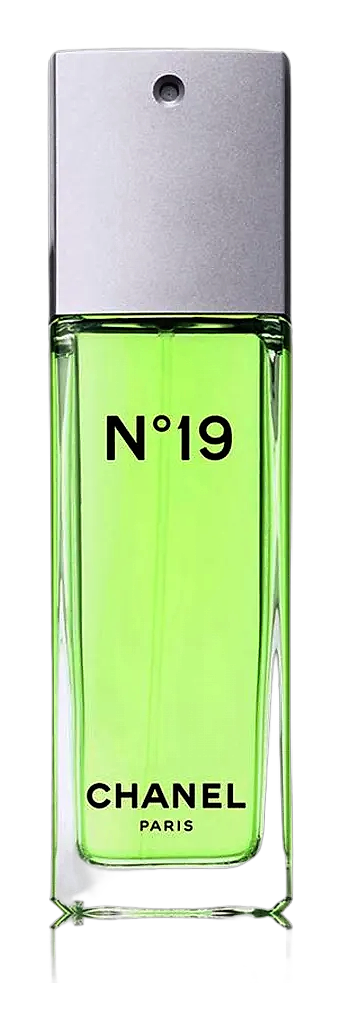
Le Jardin Vert belongs to a small category of green fragrances that lean botanical and natural rather than synthetic and ozonic. It shares DNA with compositions like Chanel No. 19, which treated galbanum and oakmoss as structural materials rather than accents. The composition keeps its rough edges intact, refusing to sand down the bitter, earthy, and metallic facets that define a true green floral. There's something architectural about how the notes hold their positions, each one occupying a specific register without blending into a generic impression.