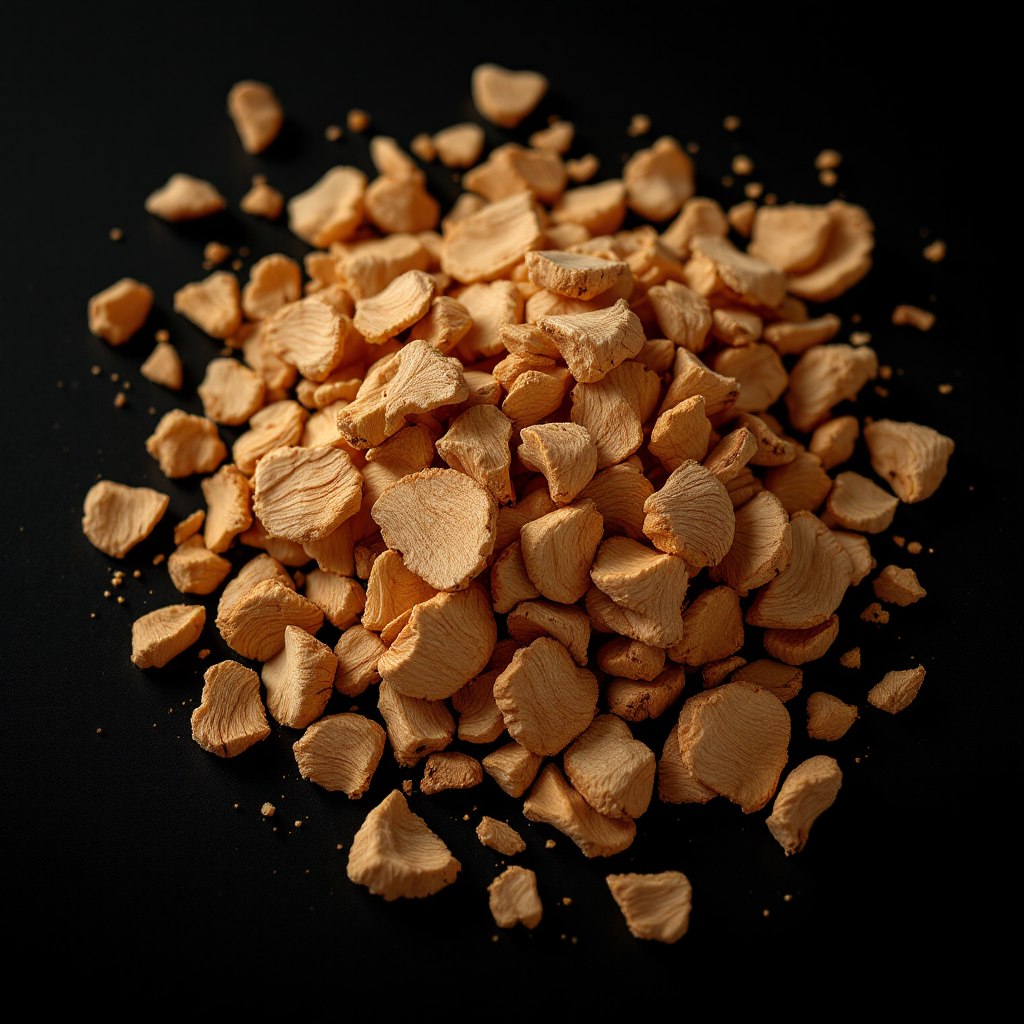
Cabreuva Wood
Cabreuva Wood oil is a sweet, woody essential oil with delicate floral facets. Native to the forests of South America, this steam-distilled material is prized for its exceptional fixative properties and ability to bridge woody and floral accords seamlessly. Its high nerolidol content makes it a naturalizer for orange blossom and neroli compositions.
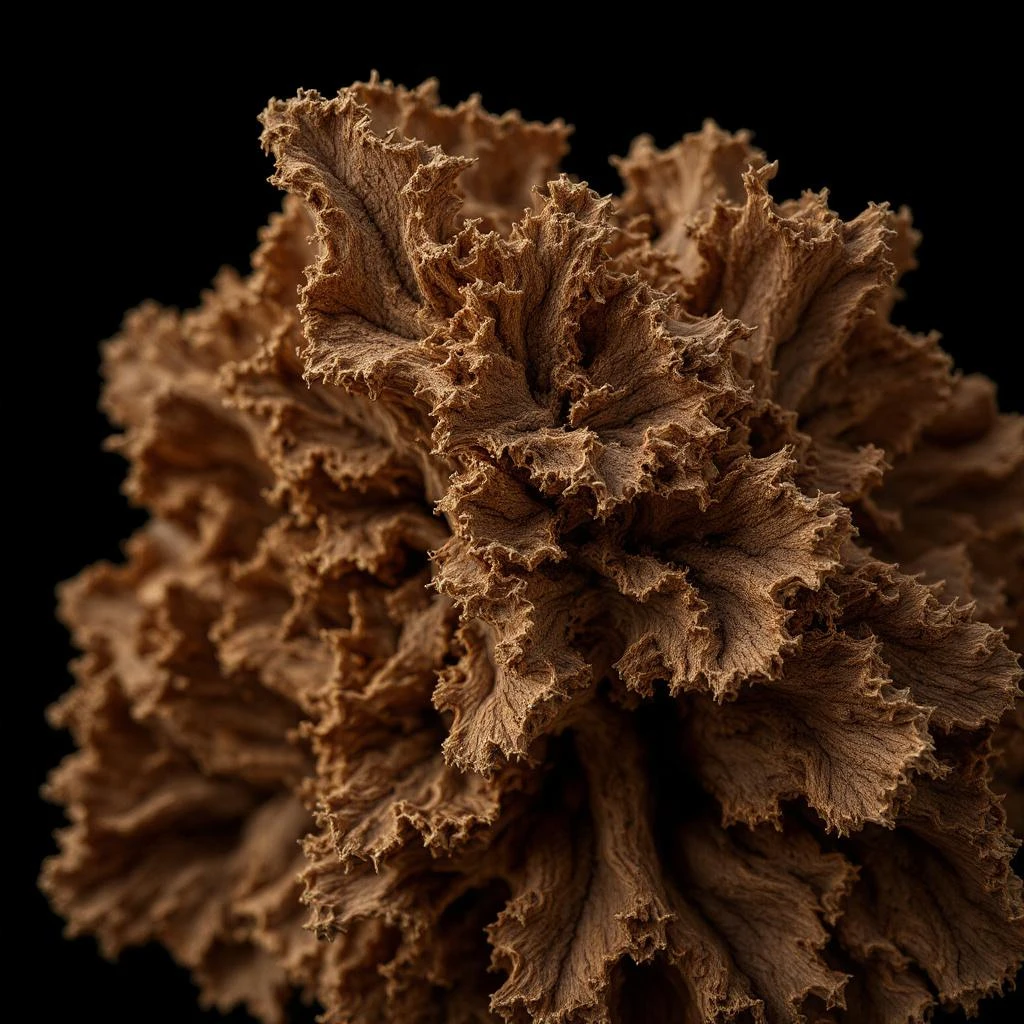
Character
How it smells
A precious South American wood oil blending sweetness with florality.
The Cabreuva tree can reach 12-15 metres in height, producing extremely hard wood that naturally resists moisture and mould growth.









Origin
Paraguay
Cabreuva has been used since ancient times by communities in Brazil, Paraguay, Chile, and Northern Argentina. The tree holds deep cultural significance in these regions, where its durable heartwood was traditionally valued for its resistance to decay. In perfumery, Cabreuva oil emerged as a prized material for its ability to naturalize floral compositions while providing lasting fixative properties.
Its very high nerolidol content made it especially valuable for lifting and enhancing orange blossom, neroli, and muguet accords. Today, the oil remains a respected ingredient among natural perfumers seeking to create sophisticated woody-floral bridges in their formulations.
Wears it best
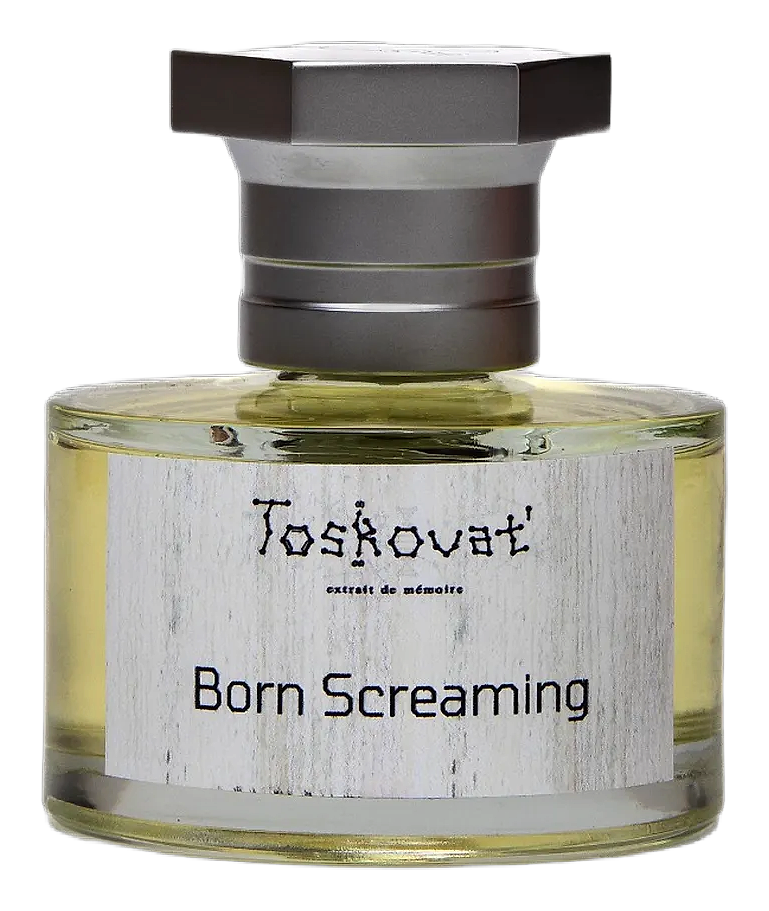
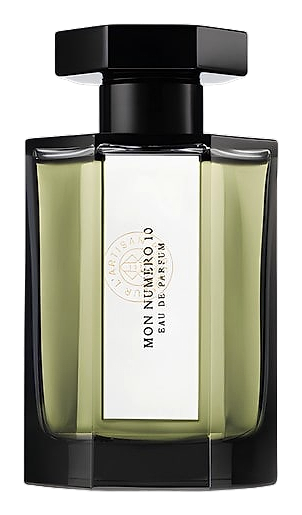
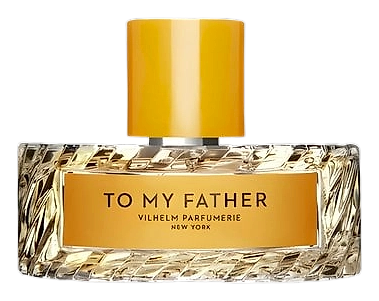
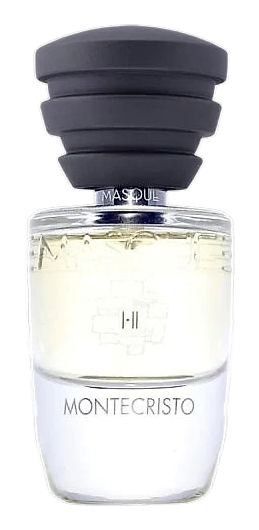
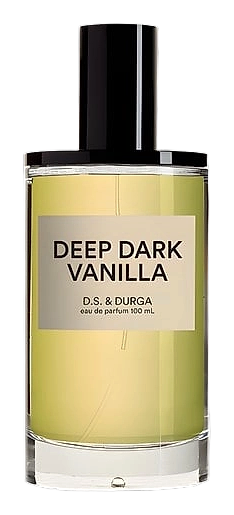
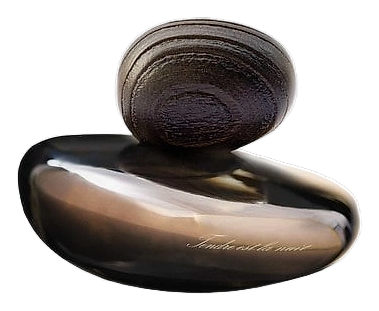
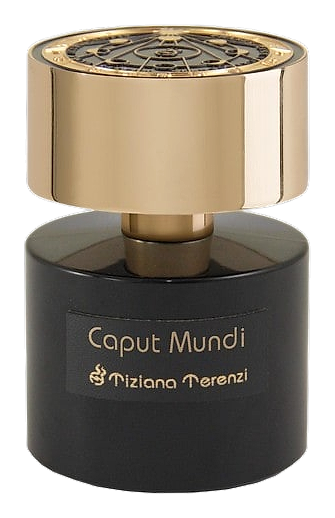
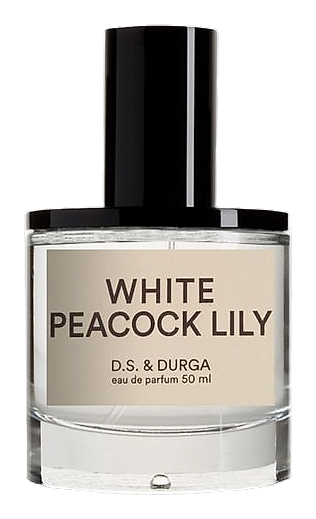
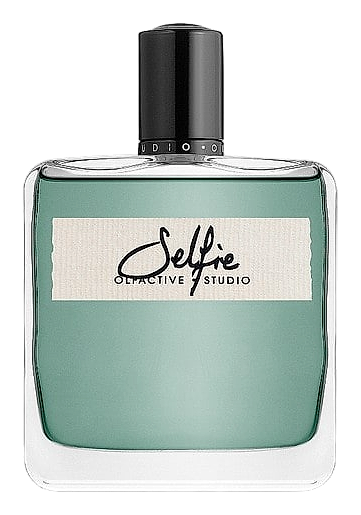
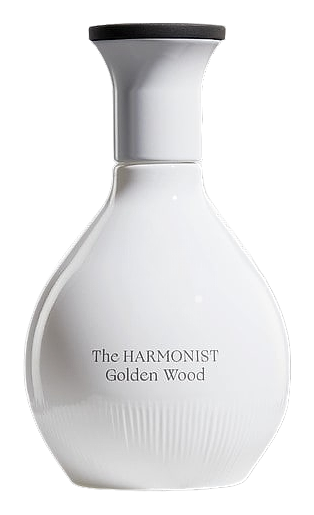
Fragrances featuring Cabreuva Wood
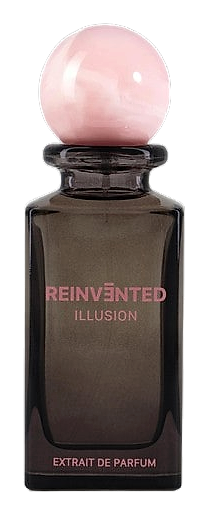
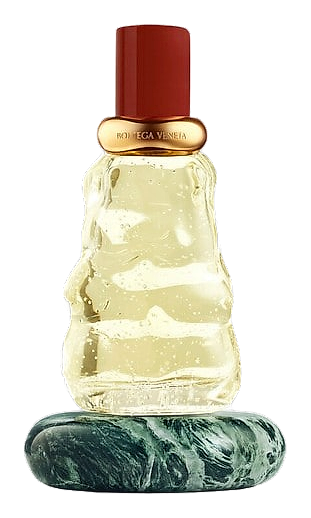
Brands
Brands known for Cabreuva Wood
Good to know
Questions, answered
The essentials on Cabreuva Wood in perfumery: how it smells, where it comes from, and how it behaves on skin.
What does Cabreuva Wood smell like in perfume?
Cabreuva Wood has a sweet, woody aroma with delicate floral facets that recall rose, neroli, and lily-of-the-valley. A subtle metallic brightness and balsamic warmth round out the profile, making it more nuanced than standard woody materials.
Why is Cabreuva Wood used in perfumery?
Perfumers use Cabreuva Wood primarily for its fixative properties and high nerolidol content, which helps naturalize and lift floral compositions. Its ability to bridge woody and floral accords makes it a versatile blender in complex fragrance constructions.
Is Cabreuva Wood in perfume natural or synthetic?
Cabreuva Wood is a completely natural ingredient, steam-distilled from the heartwood of the Myrocarpus fastigiatus tree. No synthetic equivalent replicates its full olfactory profile with identical fixative behaviour.
What famous perfumes contain Cabreuva Wood?
Specific perfume formulas are proprietary, but Cabreuva Wood appears in numerous natural and niche fragrances, particularly those built around woody-floral or oriental constructions. Its use is most common in fine fragrances marketed as natural or botanical.
Is Cabreuva Wood a top note, heart note, or base note?
Cabreuva Wood functions as a base note in perfumery. Laboratory testing confirms longevity of approximately 100 hours on a smelling strip, placing it firmly in the fixative category alongside sandalwood and vetiver.
What notes pair well with Cabreuva Wood in perfume?
Cabreuva Wood blends particularly well with rose, cassia, mimosa, and cedarwood. It also complements oriental bases and works seamlessly with orange blossom and neroli compositions, adding natural richness to these floral accords.
Where does Cabreuva Wood come from?
Cabreuva Wood originates from the Myrocarpus fastigiatus tree, which grows across Brazil, Paraguay, Chile, and Northern Argentina. The primary commercial source is Paraguay, where the trees grow in tropical forest environments reaching 12-15 metres in height.
Is Cabreuva Wood used in men's or women's fragrances?
Cabreuva Wood is unisex in application. Its sweet woody character with floral undertones suits both men's and women's fine fragrances. Industry performance data shows strong ratings for use across alcoholic perfumes, bar soaps, and bath products for both genders.