


Heritage
A house, in its own words
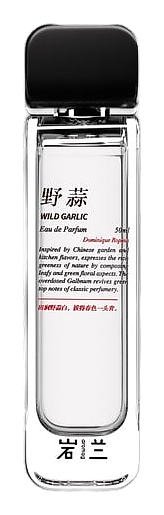
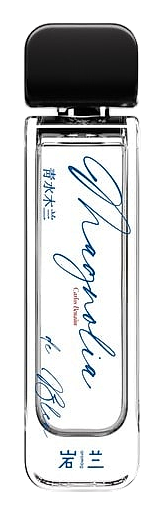
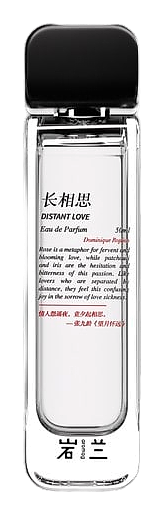
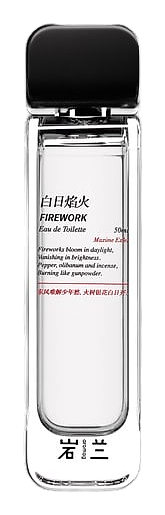
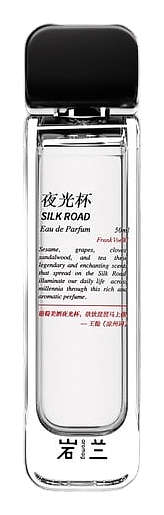
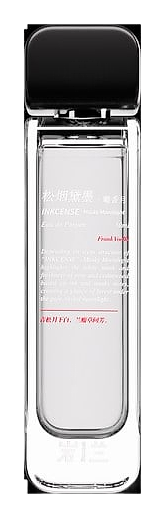
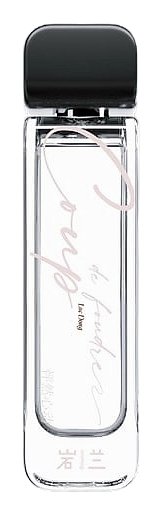
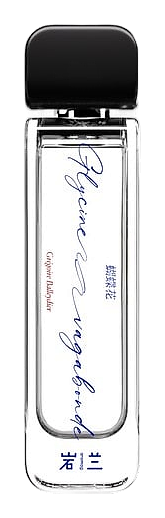
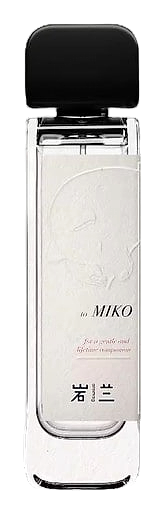
Aromag emerged in Shanghai in 2017 as China's first independent high-end fragrance brand. The house materialized from a vision to create fine fragrances rooted in Chinese cultural identity rather than adapting Western formulas for Asian markets. Before Aromag, the Chinese fragrance landscape lacked a homegrown luxury house operating independently from international conglomerates. The founders recognized both a gap and an opportunity: Chinese consumers possessed deep aesthetic literacy but had limited access to locally-created premium scents. Aromag set out to bridge this divide, establishing a new category in China's fragrance ecosystem. The brand's arrival coincided with growing national confidence in domestic design across fashion, beauty, and lifestyle sectors. In November 2023, Aromag unveiled a refreshed visual identity centered on the Chinese characters '岩兰' (the literal brand name), accompanied by seven new gender-neutral fragrances. This rebrand signaled maturity and a strengthened commitment to cultural specificity. The house has since expanded its portfolio to over twenty fragrances while maintaining its founding mission: offering精致香水 (exquisite perfumes) that resonate with consumers familiar with Eastern culture and aesthetics. Aromag's trajectory reflects the broader rise of Chinese luxury and creative industries on the global stage. Aromag operates from a clear conviction: Chinese consumers deserve fine fragrances that speak their own visual and emotional language. Rather than importing Western olfactory traditions wholesale, the house builds from Chinese cultural touchstones. The brand calls this approach '馥喻东方'—the art of oriental perfumery. Each fragrance draws inspiration from Chinese literature, landscapes, poetry, and daily life. Names like Distant Love (长相思), referencing classical poetry of yearning, or Inkcense (松烟黛墨), evoking traditional Chinese ink, signal this cultural grounding. The house rejects the notion that luxury fragrance must follow French or Western conventions. Instead, Aromag believes scent preferences are culturally shaped, and Chinese audiences deserve options that reflect their own aesthetic traditions. This philosophy extends beyond ingredients to conceptual frameworks. Many Aromag fragrances exist as gender-neutral or genderless, challenging Western categorization systems. The house treats Chinese characters and bilingual naming as features, not curiosities. Aromag positions itself not as an importer adapting to local tastes, but as a native voice articulating what oriental perfumery can be on its own terms.