
The Story
Why it exists.
The beginning
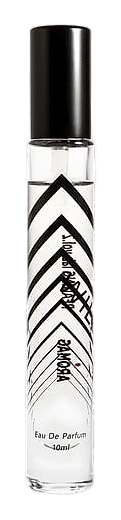
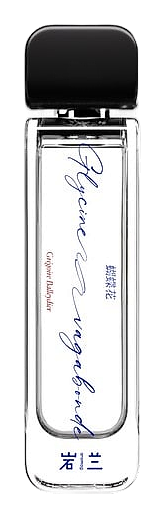
Glycine Vagabonde is Aromag's quiet tribute to Qiong Yao, the novelist whose stories of longing, separation, and impossible love shaped the emotional vocabulary of generations in the Chinese-speaking world. The name itself carries that weight: glycine is wisteria, the cascading purple blooms that appear briefly and fall faster than you'd expect. Vagabonde is wandering, rootless, pulled between places. Together they paint a flower that doesn't stay. Qiong Yao's protagonists often loved someone just out of reach, her fragrance captures that specific ache. Not grief. Not sweetness. Something suspended between the two, with warmth underneath to keep it from turning cold entirely.
What makes this composition unusual is the restraint Grégoire Balleydier brings to the florals. Wisteria can overwhelm, it has a thick, almost heady presence in nature. Here it's been coaxed into something lighter, dustier, almost nostalgic. The six top notes, bergamot, pink pepper, black pepper, pimento, cardamom, aren't there to overpower. They frame the florals with clean heat, a kind of spiced air that prevents anything from going syrupy. Davana in the heart is the unexpected note: herbal and faintly fruity, it keeps the rose and lilac from feeling like a greeting card. The whole structure resists the obvious, which is exactly what a tribute to Qiong Yao should do, she never wrote the predictable scene.
The evolution
The opening is bergamot first, bright, quick, followed immediately by the pepper blend, which adds warmth without heat. Wisteria arrives within minutes, but it's not a wall of floral. It's thinner than that, almost powdery, carrying the violet-leather smell of the actual blooms. This phase lasts about an hour before the lilac and damask rose start asserting themselves, adding softness and a touch of green. The davana keeps them honest, adding an herbal undertone that stops the florals from becoming saccharine. By the third hour, the base begins its slow take-over: guaiac wood brings warmth, labdanum adds a sticky balsamic quality, and vetiver, cool, smoky, slightly root-like, pulls everything toward earth. The drydown is intimate. It stays close to skin, projecting softly for most of its 4-6 hour life.
Cultural impact
Glycine Vagabonde entered Aromag's lineup in 2025 as a fragrance rooted in Chinese literary heritage, specifically a tribute to Qiong Yao, the novelist whose stories of love and longing shaped the emotional imagination of the Chinese-speaking world for decades. The fragrance doesn't reach for Western romance cues. It builds from wisteria's specific melancholy, from the cool warmth of vetiver and guaiac, from a restraint that feels distinctly Chinese in its understanding of desire as something restrained rather than declared.
The House
Aromag 岩兰Aromag (岩兰) stands as China's first independent high-end fragrance house, founded in Shanghai in 2017. The name merges 'aroma' with 'magazine,' nodding to China's scholarly perfume heritage. The brand translates its tagline '馥喻东方' as 'the art of oriental perfumery,' positioning itself at the intersection of cultural authenticity and contemporary luxury. Aromag creates gender-neutral fine fragrances inspired by Chinese cultural origins and aesthetic preferences, inviting those familiar with Eastern culture to experience scents reimagined through a distinctly modern lens. Each fragrance tells a story rooted in oriental sensibility, making Aromag a pioneer in defining contemporary Chinese perfumery.
The Creator
Grégoire BalleydierGrégoire favors a structural approach, building scents layer by layer like a well‑crafted piece of music. He begins with a clear anchor—often a citrus zest or a green leaf note—then adds depth using woods such as cedar and sandalwood, followed by a heart of floral absolutes li…