The Story
Why it exists.
The beginning
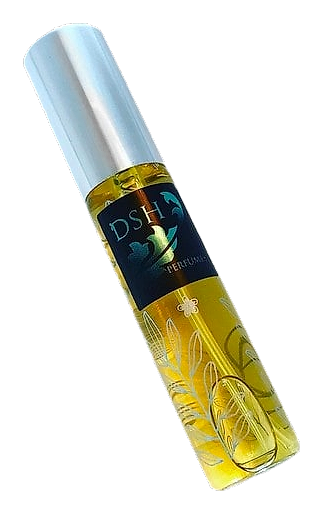
Halfeti takes its name from a town in Turkey, the inspiration behind Dawn Spencer Hurwitz's imagining of a black rose for DSH Perfumes. Part of the Three Roses collection, released in 2022, the composition translates a visual idea into scent. Turkish rose absolute appears in the heart, and Hurwitz built the fragrance as a red-black study in contrast, lush fruit and smoke, sweetness and something older underneath. The result is a rose perfume that resists the usual expectations of what a rose perfume should be.
What makes Halfeti unusual is the sheer density of its rose architecture. The heart layers multiple rose materials, Bulgarian rose absolute, Turkish rose otto, Damask rose absolute, Moroccan rose absolute, Rosa centifolia, Gallic rose otto, and others. That's not redundancy. It's layering. Each extraction carries a different facet of what rose can be. Wrapped around them are materials that don't typically share space with rose: birch tar, hyraceum, castoreum, Cambodian oud, and ambergris. The result is a rose that refuses to behave like one.
The evolution
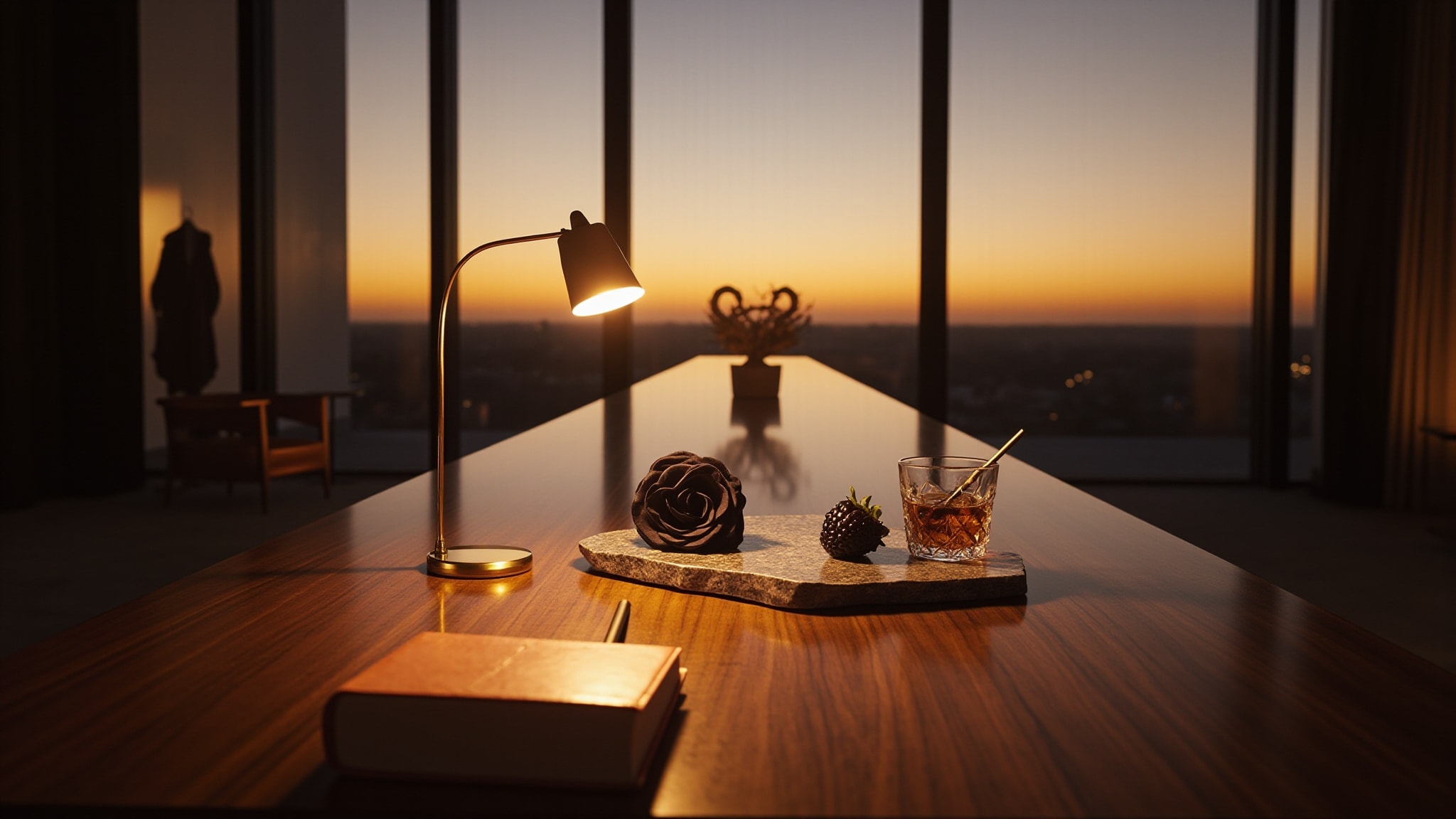
The opening is almost confrontational. Blackberry and bergamot cut bright through a haze of birch tar, which smells less like a forest fire and more like the underside of something burning slowly in another room. The rose arrives, but it doesn't arrive alone. It brings cognac, tobacco, and a dense thread of saffron and incense that pulls the composition downward, away from florality and into something liturgical. Leather and papyrus notes sharpen the midphase, giving it the texture of an old book left open in a wine cellar. As the hours pass, the rose darkens further. The oud and hyraceum emerge fully, and the castoreum adds a faintly animal warmth, the kind of warmth that belongs to skin rather than fabric. The drydown settles into a base of patchouli, labdanum, myrrh, and ambergris, with the rose still faintly present, now closer to preserved petals than fresh ones.
Cultural impact
Halfeti earns its place through the sheer density of its raw material list. Its use of hyraceum and castoreum alongside multiple rose extractions signals a perfumer more interested in the unconventional edges of natural aromatics than in safe, crowd-pleasing florals. The inclusion of Cambodian oud, birch tar, and ambergris alongside a deep rose architecture places the composition firmly in the territory of artistic perfumery, where wearers tend to track raw materials as closely as designers track seasonal collections.