The Story
Why it exists.
The beginning
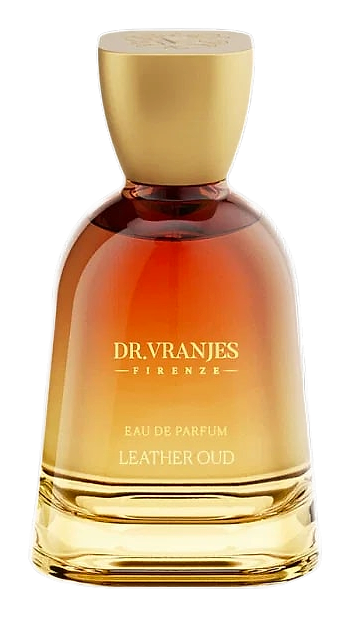
Leather Oud arrived in 2022, and the name tells you exactly where the tension lives. The composition was built around two materials that rarely share the same bottle. Tuscan leather on one side. Middle Eastern oud on the other. The brief was simple enough: put them in a room together and see what happens. What happens is a scent that reads Florentine at the opening and turns eastward as it dries. The elemi resin opens with a bright, almost citrusy snap before settling into the geranium and rose, which soften everything into something cologne-adjacent. Then the leather and oud arrive together, anchored by frankincense and patchouli, and the whole thing tilts darker, smokier, more contemplative.
The interesting move is the elemi resin at the top, a piney, almost citrus-lemon cousin to frankincense, and it does more work than people give it credit for. Geranium and rose soften the resin into something almost cologne-like before the heart lands. Then frankincense and patchouli stack behind the leather and oud, giving them something rough to lean against. The base pairs ebony with sandalwood, and the ebony is what sets this composition apart from the standard oud template.
The evolution
The first ten minutes are all elemi and geranium, bright and almost herbal, with rose curling underneath like something hidden in a pocket. It smells more like a Mediterranean garden than a perfume, which feels deliberate. Then the leather comes in. Not the sweet, sugary suede you'll find in lighter compositions, but something drier, smokier, closer to a tobacco leaf or a saddle that's seen years of use. The oud arrives with it, and for a while the two fight for the foreground, leather pulling warm and animal, oud pulling dark and resinous. The middle hour belongs to frankincense, that churchy, almost bitter sweetness that makes the composition feel like it has altitude. Patchouli grounds everything in soil. Later on, as the composition settles into its later stages, the whole thing shifts.
Cultural impact
Leather Oud sits in an interesting spot. It's from a brand more associated with room scents, which means this personal scent arrives without the usual fashion-house pedigree attached to leather-oud compositions. That works in its favor. The similarity to Louis Vuitton's Ombre Nomade has been noted in fragrance communities, and the territory is genuinely close: oud and leather in conversation, built around restraint rather than spectacle. What separates Leather Oud is the structure. The top doesn't crash into the heart. The oud doesn't dominate the leather or vice versa. Both materials get space to develop on their own terms.
The House
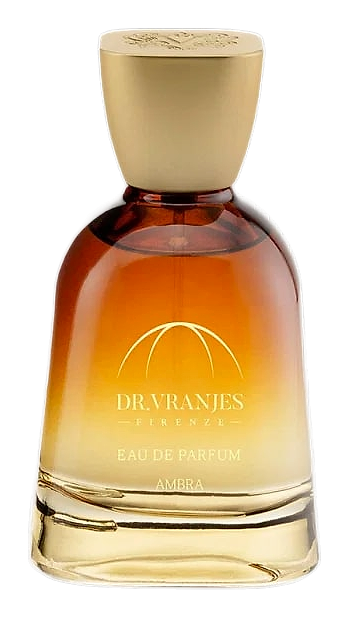
Dr. Vranjes FirenzeDr. Vranjes Firenze is an Italian home fragrance house rooted in Florence, the city credited with inventing artistic perfumery during the Renaissance. Founded in 1983 by chemist and pharmacist Dr. Paolo Vranjes alongside Anna Maria, the brand began as a small Florentine workshop before growing into a internationally recognized fragrance atelier. The company operates from Osmannoro, a suburb of Florence, and maintains a retail presence across multiple markets including a store opened in Bangkok to mark the brand's 40th anniversary. Dr. Vranjes himself continues to participate in product design, a rare distinction for a house of this scale. The collection spans scented candles, home fragrances, and refills, with signature compositions including Rosso Nobile, Rosa Tabacco, and Ambra e Iris. The brand operates under ownership by L'Occitane Group, which acquired a controlling stake and facilitated expansion into broader fragrance production capabilities through the acquisition of Integra Fragrances.
The Creator
Dr. Paolo VranjesVranjes favors natural ingredients sourced globally for authenticity and depth. He builds fragrances around contrasts and clarity, allowing each note to remain distinct rather than blur into muddled uniformity.