The Story
Why it exists.
The beginning
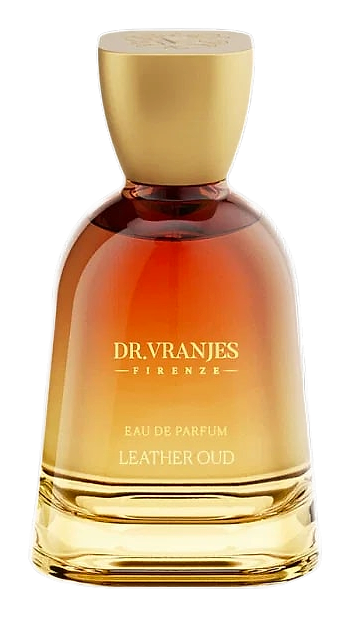
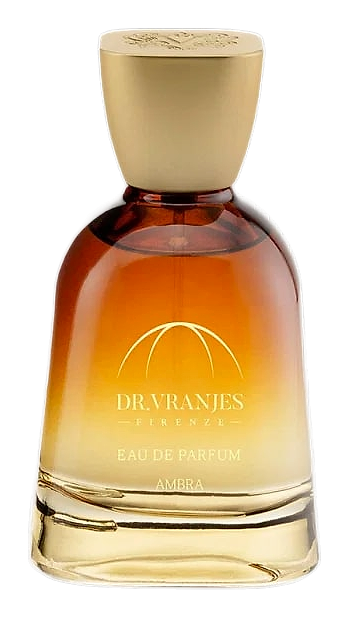
Dr. Paolo Vranjes built his career on the alchemy of place. Ambra, released in 2022, sits squarely within a tradition he helped shape. The name itself is the mission: amber, the old word, the resinous heart that perfumers have chased for centuries. Not the cloying sweetness the word sometimes conjures today, but the real thing, dense and golden, built from labdanum, cistus, and the deep warmth that only true balsamic materials can deliver. The result is a composition that feels less like an accessory and more like a second skin. Every material in the formula carries weight. Labdanum, harvested from the rockrose shrub, has been used in sacred rites and folk remedies since antiquity, its sticky, dark resin carrying the scent of sun-warmed stone and dried herbs.
What's notable about Ambra is how disciplined the structure stays despite the richness of the materials. The iris-geranium opening keeps things cool and powdery long enough for the amber core to arrive without shock. Labdanum and cistus do the heavy lifting, both resinous, both ancient, but they pull in different directions. Labdanum leans leathery and warm, while cistus adds a dry, almost medicinal herbaceousness. The contrast between them gives the amber accord its complexity: warmth without weight, sweetness without collapse.
The evolution
The opening of Ambra arrives with a quiet hush. Iris and geranium settle onto the skin in a cool, powdery veil, the kind of soft start that promises something delicate ahead. Then the shift. Labdanum rises through the geranium's green top notes, and suddenly the whole composition changes temperature, the cool powder giving way to dense, resinous warmth. Cistus joins soon after, adding a dry, almost incense-like sharpness that some wearers read as smoky, others as herbal. This is the contested territory of the fragrance, the phase where opinions form, where the soft opening reveals its true architecture beneath. Patchouli follows close behind, deepening the warmth, pulling everything earthward with its characteristic shadow. The geranium gradually recedes as the resins take full command, leaving behind just a trace of its green, slightly rose-like facet.
Cultural impact
Ambra sits within Dr. Vranjes Firenze's broader portfolio as part of their personal fragrance line. The release draws on the house's engagement with amber-based materials, a category the brand has explored in various forms across its offerings. The composition reads as classical and resinous, built from labdanum and cistus at its heart, with patchouli grounding the middle and cedarwood and sandalwood holding the base. Wearers drawn to golden, slow-burning fragrances tend to gravitate toward it, people who appreciate the depth of true balsamic materials over sweeter, more accessible amber accords.
The House
Dr. Vranjes FirenzeDr. Vranjes Firenze is an Italian home fragrance house rooted in Florence, the city credited with inventing artistic perfumery during the Renaissance. Founded in 1983 by chemist and pharmacist Dr. Paolo Vranjes alongside Anna Maria, the brand began as a small Florentine workshop before growing into a internationally recognized fragrance atelier. The company operates from Osmannoro, a suburb of Florence, and maintains a retail presence across multiple markets including a store opened in Bangkok to mark the brand's 40th anniversary. Dr. Vranjes himself continues to participate in product design, a rare distinction for a house of this scale. The collection spans scented candles, home fragrances, and refills, with signature compositions including Rosso Nobile, Rosa Tabacco, and Ambra e Iris. The brand operates under ownership by L'Occitane Group, which acquired a controlling stake and facilitated expansion into broader fragrance production capabilities through the acquisition of Integra Fragrances.
The Creator
Dr. Paolo VranjesVranjes favors natural ingredients sourced globally for authenticity and depth. He builds fragrances around contrasts and clarity, allowing each note to remain distinct rather than blur into muddled uniformity.