The Story
Why it exists.
The beginning
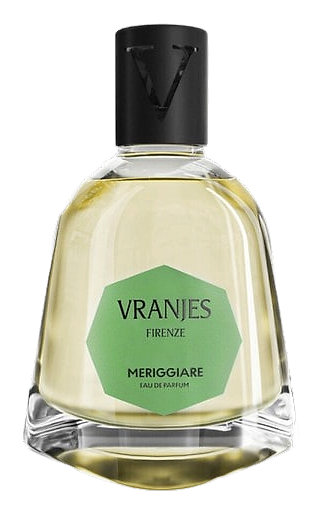
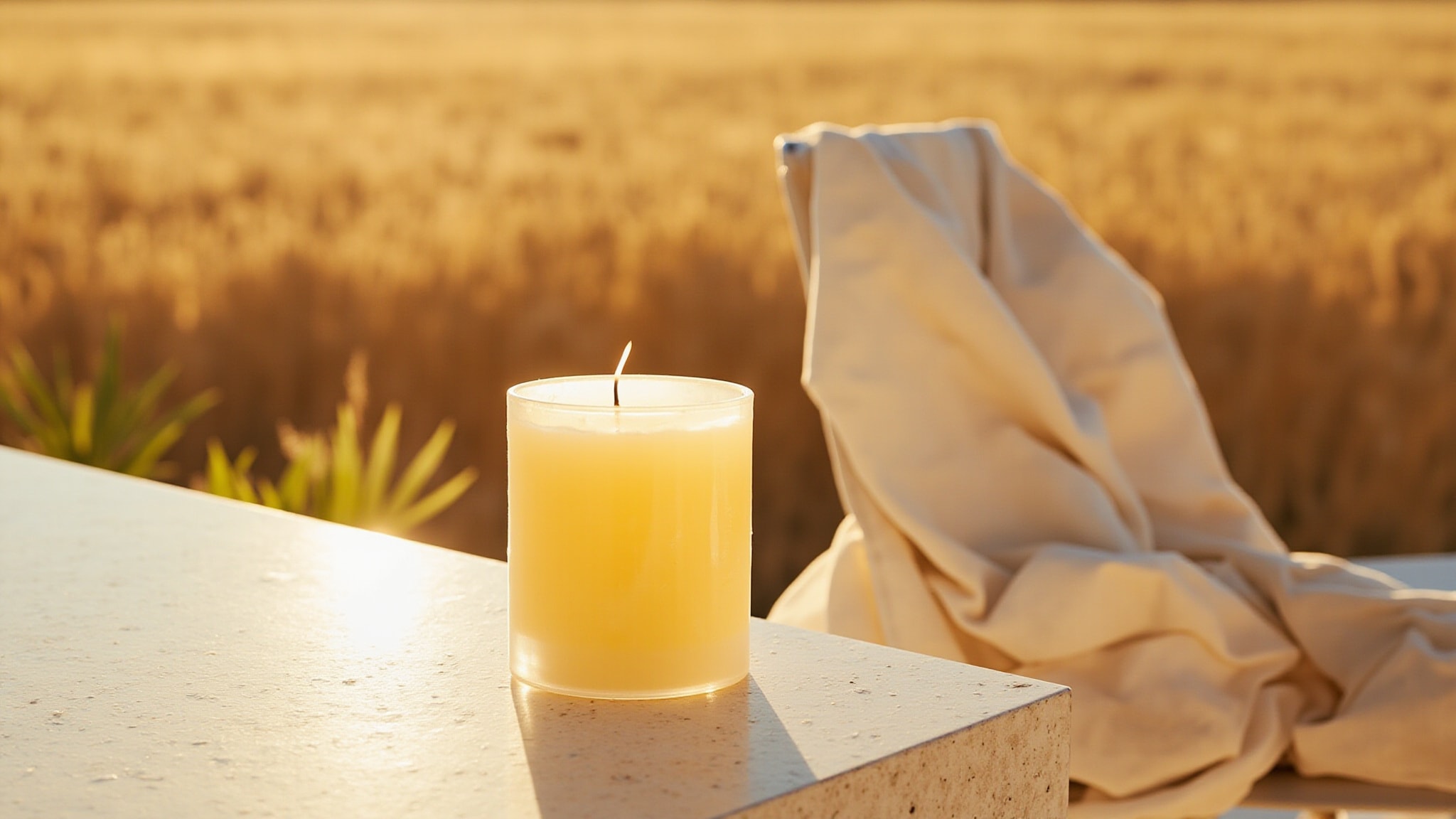
The name Meriggiare comes from the Italian meriggiare, to rest during the midday hours, when the sun sits highest and the world slows. Dr. Paolo Vranjes built this fragrance around that specific Tuscan afternoon feeling: the moment when wheat fields glow under a hard sun, when the air smells of heat and honey and something golden. The composition traces that hour through linden blossom and orange blossom at the top, beeswax and wheat bran at the heart, American cedar and white musk at the base. It is the scent of a warm afternoon, not a special occasion.
What makes Meriggiare work is the beeswax. It sits between the bright florals and the woody base, bridging them with a warm, slightly sticky sweetness that feels ancient rather than constructed. Without it, this would read as a floral fragrance. With it, the composition gains an edible, almost ritual weight, like honey left in a terracotta jar. Wheat bran keeps everything grounded in grain rather than garden, organic rather than polished. The combination of beeswax and wheat is uncommon in mainstream perfumery, which tends to reach for amber or vanilla when it wants warmth. Here, the warmth comes from the field itself.
The evolution
The linden blossom opens bright, almost indolic, a green floral sweetness that reads as sunlight caught in something wet. Orange blossom follows quickly, adding a citrusy lift that keeps the top airy for the first twenty minutes. Then the wheat bran and beeswax arrive. The brightness doesn't disappear so much as it thickens, becoming a warm, creamy texture that feels like standing inside a sun-drenched barn. By the second hour, the Virginia cedar wood and white musk take over. The beeswax fades to something skin-close, barely there. The cedar lingers quietly, dry and woody, beneath a soft white musk that keeps everything intimate. This is a fragrance that arrives, settles, and stays close.
Cultural impact
Meriggiare draws on the Italian concept of meriggiare, the midday rest taken during the hottest hours of a Tuscan afternoon. The fragrance translates that unhurried, golden-hour feeling into a composition of warm florals, beeswax, and grain. Part of the Firenze in Translation collection, it speaks to the languid beauty of slowing down, capturing the particular hush that settles over the countryside when the sun sits highest and the air turns thick with warmth. The scent itself becomes a kind of pause, a sensory reminder of those unhurried moments.