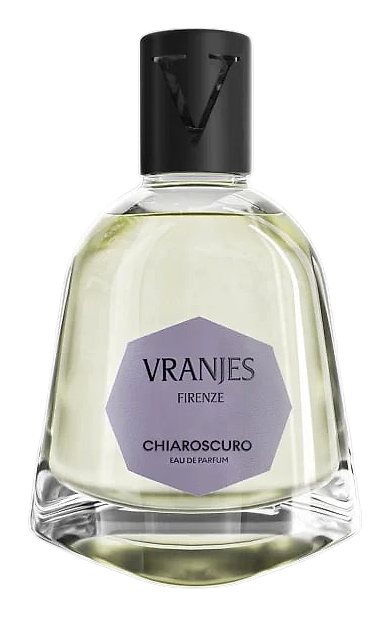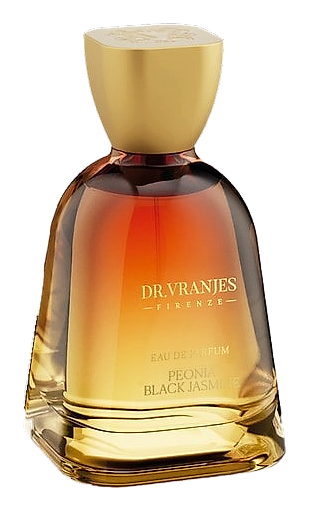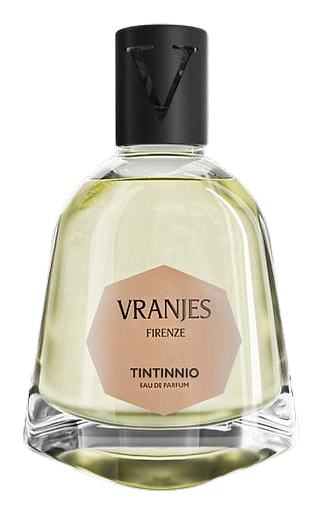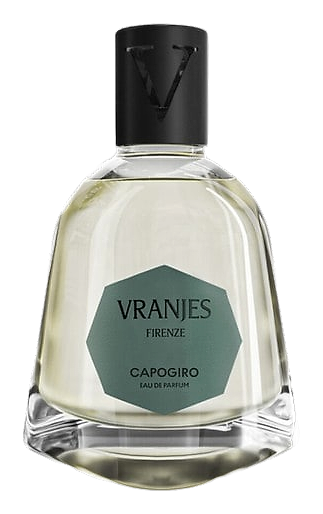
The Story
Why it exists.
The beginning
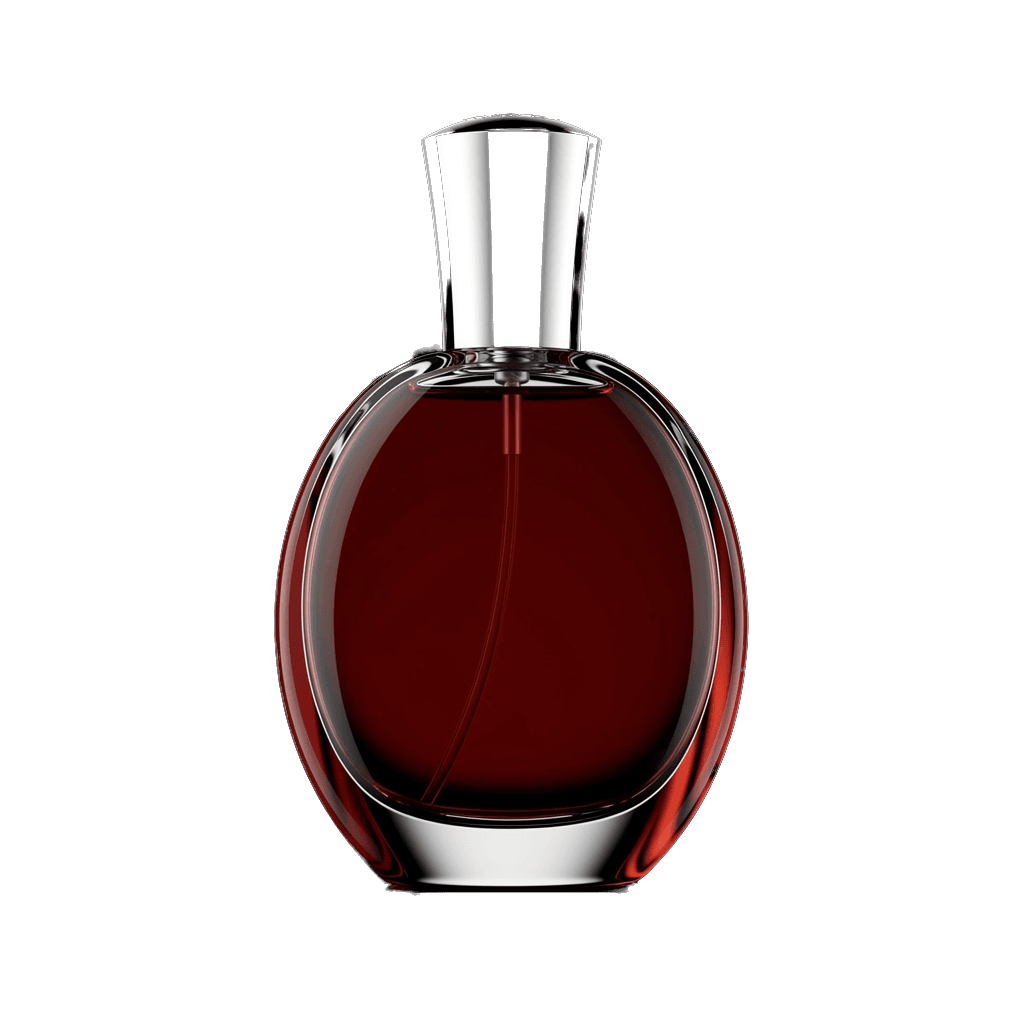
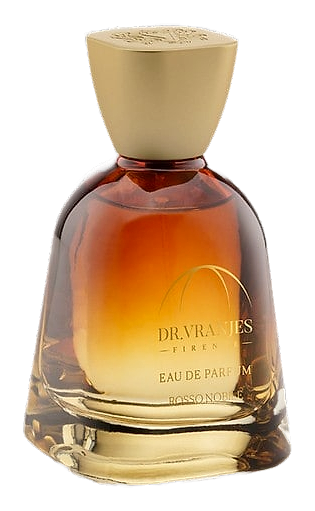
Rosso Nobile takes the wine-dark signature that customers loved in their homes and makes it something you could wear on skin. The fragrance opens with a fruity accord that doesn't dissolve into sweetness, instead maintaining its vibrancy as it settles. Berry notes interplay with darker grape tones, creating an initial impression that feels both fresh and grounded. As the composition evolves, the fruity top remains present, never fully disappearing but deepening in character. The woody base asserts itself long past the first hour, holding its shape and providing structure that prevents the fragrance from becoming diffuse or one-dimensional.
What makes Rosso Nobile interesting is the tension between bright and dark. Grapes and wild berries arrive juicy and immediate, the tartness of just-crushed fruit before fermentation. Then magnolia and violet introduce something softer, almost powdery. But the real story is the base. Woody notes aren't an afterthought here. They're the structure that keeps the sweetness from floating away. Without them, this would smell like grape candy. With them, it smells like wine.
The evolution
The opening hits fast, grape and wild berry, bright and slightly tart, like tasting wine must directly from the press. Violet sits underneath, barely there, a soft floral note that keeps the fruity top from being too aggressive. Within an hour, magnolia asserts itself, adding creaminess to the berries. The fruit doesn't disappear. It deepens. By hour three, the florals begin to recede and the woody base takes over, oak and birch, dry and assertive, like the inside of a wine barrel. The sweetness lingers in the drydown alongside the wood, creating warmth that stays close to the skin for hours. On fabric, it can last into the next day, smelling like old wood and dried flowers. The progression feels natural rather than dramatic, each phase building on what came before without jarring transitions.
Cultural impact
The Tuscan wine reference grounds Rosso Nobile in a specific terroir rather than an abstract concept of red wine. This connection to a particular place and tradition gives the fragrance a cultural anchor that distinguishes it from more generic wine-inspired releases. The brand's existing presence in home fragrance created a foundation for understanding how wine-dark signatures could translate to skin, bringing accumulated expertise in capturing that particular warmth and complexity. Wearing the fragrance becomes an experience that references both the Italian winemaking tradition and the house's own signature approach to atmospheric scent.
The House
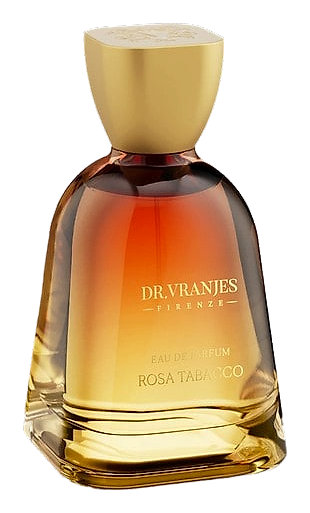
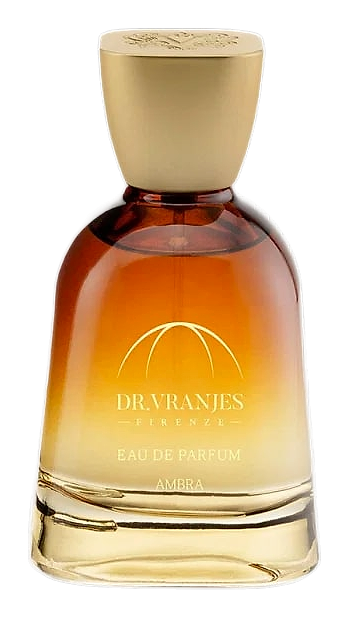
Dr. Vranjes FirenzeDr. Vranjes Firenze is an Italian home fragrance house rooted in Florence, the city credited with inventing artistic perfumery during the Renaissance. Founded in 1983 by chemist and pharmacist Dr. Paolo Vranjes alongside Anna Maria, the brand began as a small Florentine workshop before growing into a internationally recognized fragrance atelier. The company operates from Osmannoro, a suburb of Florence, and maintains a retail presence across multiple markets including a store opened in Bangkok to mark the brand's 40th anniversary. Dr. Vranjes himself continues to participate in product design, a rare distinction for a house of this scale. The collection spans scented candles, home fragrances, and refills, with signature compositions including Rosso Nobile, Rosa Tabacco, and Ambra e Iris. The brand operates under ownership by L'Occitane Group, which acquired a controlling stake and facilitated expansion into broader fragrance production capabilities through the acquisition of Integra Fragrances.
The Creator
Dr. Paolo VranjesVranjes favors natural ingredients sourced globally for authenticity and depth. He builds fragrances around contrasts and clarity, allowing each note to remain distinct rather than blur into muddled uniformity.