The Story
Why it exists.
The beginning
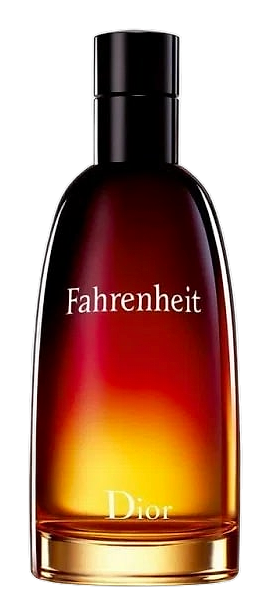
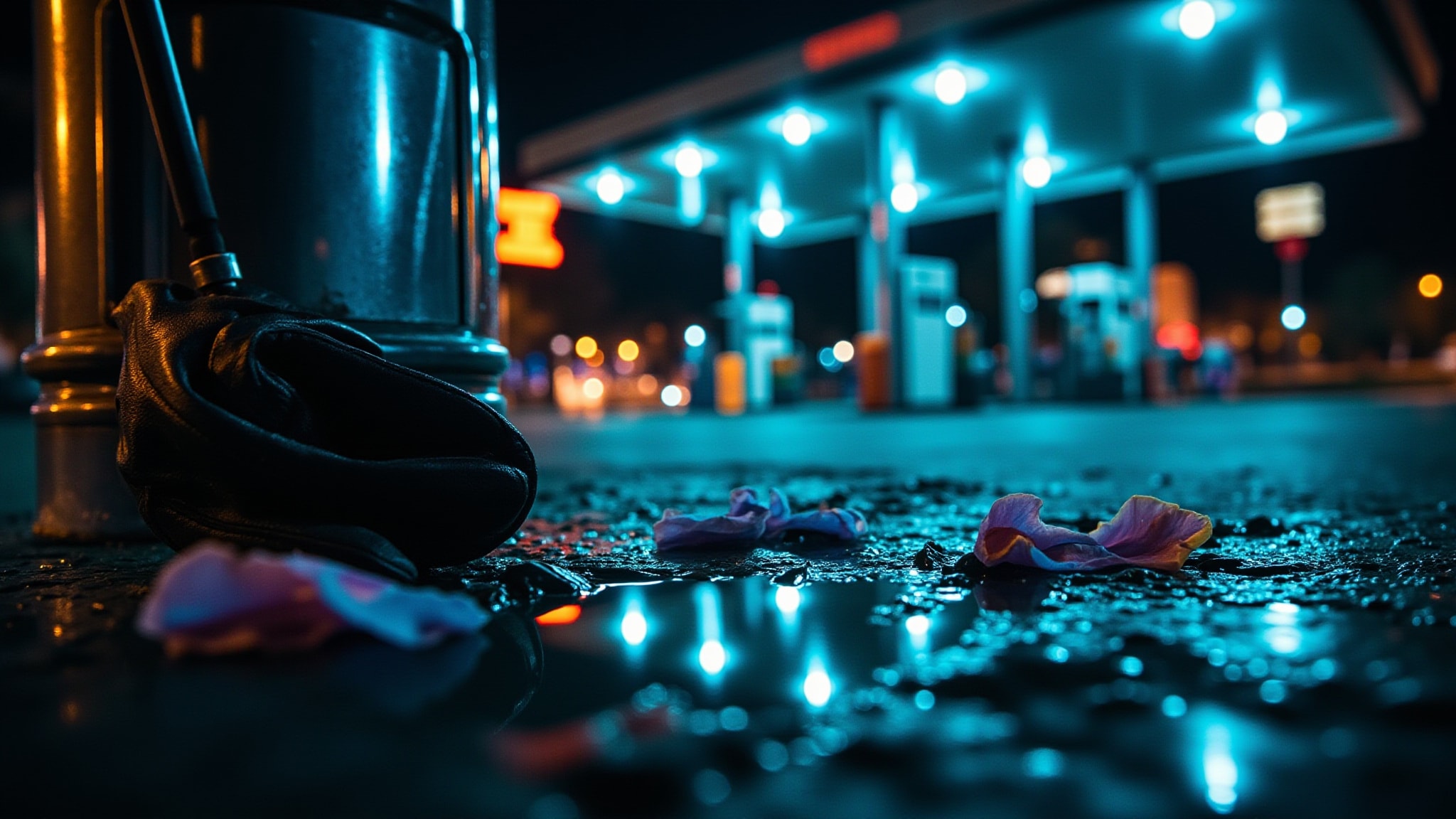
In 1988, Christian Dior asked perfumers Maurice Roger and Jean-Louis Sieuzac to compose a men's fragrance built around a specific temperature register: heat. The brief centered on what heat smells like, what materials carry that charge, and how warmth interacts with coolness on skin. The result, Fahrenheit, leans into a violet note wrapped in metallic warmth, cedar underneath, and an unusually industrial character that sits outside the typical men's fragrance vocabulary of the era. The name references temperature deliberately, not geography. It signals heat, the kind that rises off sun-warmed machinery, hot pavement, the air just above a running engine. The fragrance launched and built its following through that distinctive character.
The composition hinges on a paradox that gives Fahrenheit its distinct character: pairing a cool, almost metallic violet leaf with the dense, animal-leaning warmth of leather and the smoky depth of vetiver. Violet leaf in the heart lends a green, slightly cucumber-cool sharpness that keeps the leather from turning heavy. Cedar appears in both the top and heart notes, anchoring the structure and providing a woody counterpoint to the florals and spices. Mace, an unusual top-note choice, adds a nutmeg-adjacent warmth without resorting to the clove-cinnamon playbook.
The evolution
The opening sets the tone immediately. Bergamot and lemon start bright enough, but the violet leaf and mace cut in fast, pulling the temperature down and giving the opening a metallic, almost chemical edge that some wearers describe as gasoline-like. This sharp register defines the first impression and signals what follows. As the violet softens into something powdery and surprisingly floral, the cedar firms up underneath, and nutmeg adds a warm thread through the middle. Jasmine and lily of the valley show up briefly, lifting the composition without making it sweet. In the base, leather dominates, supported by vetiver and a dry patchouli that never goes earthy. Tonka bean and amber round the edges without adding sweetness. Over time, Fahrenheit becomes quieter, more introspective, a warm leather-and-cedar presence that settles into skin without losing its character.
Cultural impact
Fahrenheit carved out a register that most men's fragrance houses still reference but rarely replicate. It is a composition built around metallic warmth, leather, and a violet note that behaves more like a mineral than a flower. Generations of flankers have followed, extending the original into different concentrations and interpretations, but the original still wears like a signature rather than a trend. The fragrance belongs to an older tradition of architectural men's scents, compositions built on structure and contrast rather than on simple freshness.